
LRRK2 Gene Variants Influence Leprosy Risk and Immune Reactions, finds Systematic Review
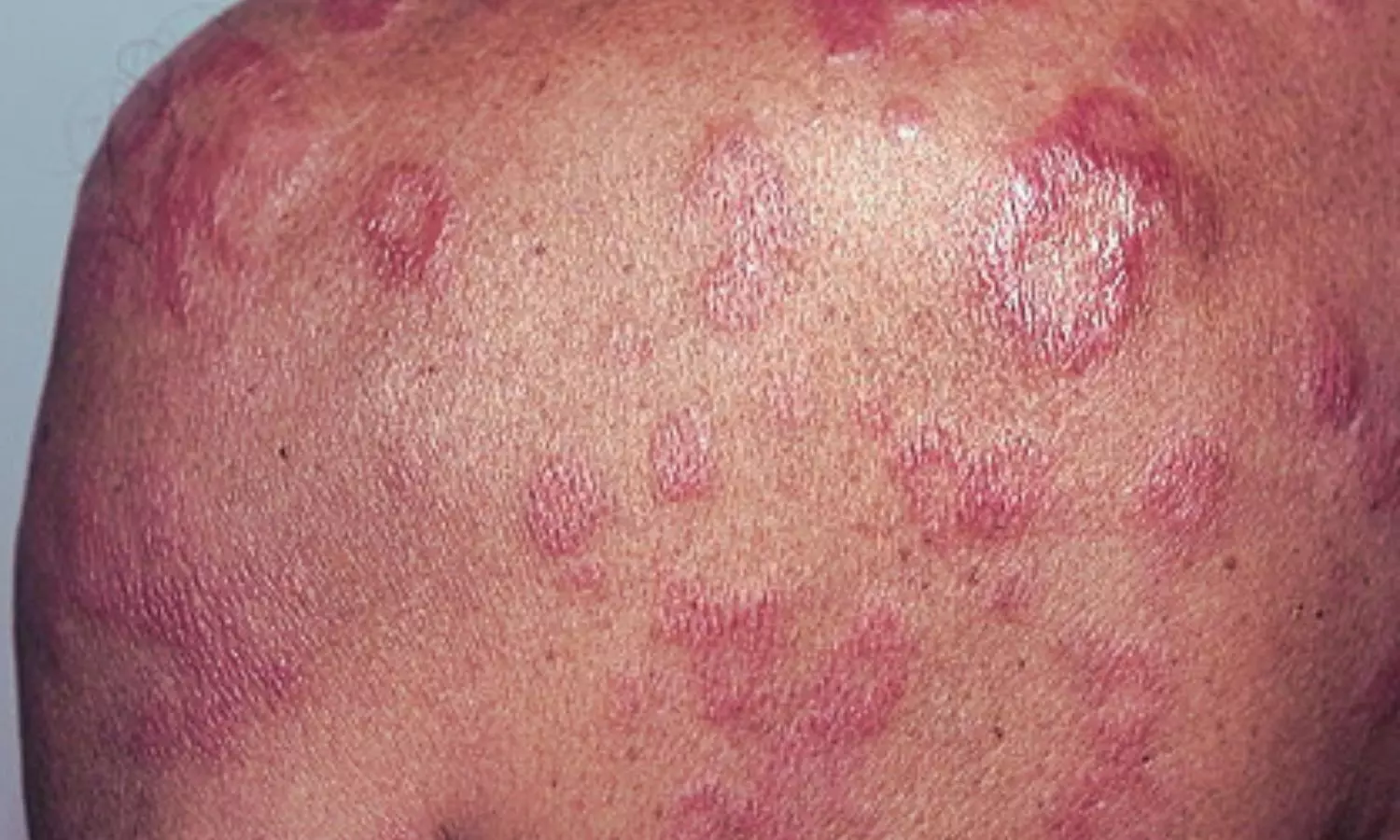


A recent systematic review published in the Indian Journal of Leprosy in January 2026 reveals that our genes act as much more than just simple "on/off" switches for leprosy susceptibility. Instead, a complex mix of genetic variants actively steers the immune system's battle against Mycobacterium leprae.
Although multidrug therapy successfully clears the bacterial infection in leprosy, patients often experience severe nerve damage from immune-mediated reactions. To understand the genetic factors behind this, Dr. K. Nitya and colleagues investigated how LRRK2 gene variations influence a patient's susceptibility to the disease and these immune complications.
Therefore, the systematic review evaluated nine human genetic studies across diverse global populations to explore the genomic links to leprosy. It specifically focused on understanding how these genetics influence clinical disease susceptibility, Type 1 Reaction (T1R) incidence, and related neuroinflammatory pathways.
Key Clinical Findings of the Review Includes:
Genetic Susceptibility Traits: Researchers observed that the rs1873613A allele consistently amplified leprosy vulnerability in Colombian and multi-ethnic cohorts, whereas the rs1873613G allele conferred protective immunological benefits against the infection.
Pleiotropic Protective Effects: Investigators highlighted that the R1628P and Thr2397 mutations significantly diminished T1R risks and reduced inflammatory phenotypes in selected populations, despite R1628P concurrently acting as a known risk factor for Parkinson’s disease in neurological cohorts.
Rare Variant Influence: Analysts discovered that rare non-synonymous variants structurally intersect across T1R and neurodegenerative disorders, emphasizing shared intracellular mechanisms of host immune regulation rather than direct clinical overlap.
Innate Immune Modulation: Authors confirmed that specific variants functionally interact with nucleotide-binding oligomerization domain-containing protein 2 (NOD2) signaling cascades, actively modifying inflammatory cytokine production and host responses to the pathogen.
The results suggest that both common and rare LRRK2 polymorphisms critically modulate clinical leprosy susceptibility and acute immune-mediated reactions, functioning as context-dependent and population-specific biological regulators rather than universal genetic determinants.
Integrating genomic profiling of these specific host variants could potentially assist clinicians in early patient risk stratification and the proactive anticipation of severe reactional states, mildly encouraging more personalized and precise medical management strategies in highly endemic regions.
Methodological variability, residual confounding biases, and limited sample sizes in select included analyses constrain definitive clinical inferences, gently highlighting the need for future large-scale, multi-center genetic investigations paired with functional evaluations to beautifully validate these promising biomarkers across varied global ethnic landscapes.
Reference
Nitya K, Shree Hema K, Hariharasudhan S et al (2026). LRRK2 Polymorphisms in Leprosy – A Systematic Review Linking Genetic Susceptibility to Immune Dysregulation and Disease Outcome. Indian J Lepr. 98: 169-180.
