More Than Half of Patients With Scalp Pruritus Experience Moderate-to-Severe Itching: Study
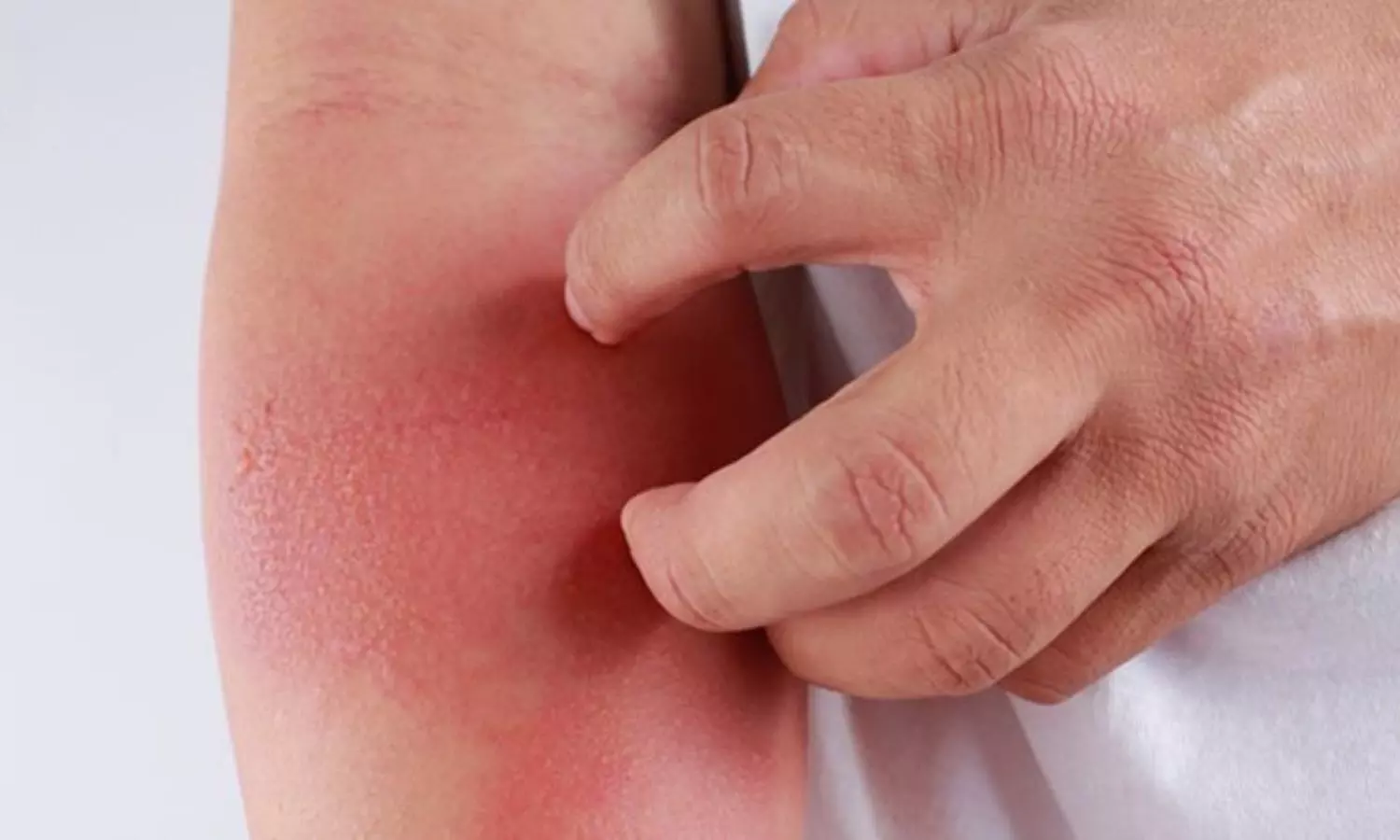


A recent study published in the Indian Dermatology Online Journal in April 2026 highlights the profound clinical burden of scalp pruritus. Revealing that 54.6% of patients endure moderate to severe itching and 12.8% face an extremely large negative impact on their daily lives, the findings underscore the urgent need for comprehensive, multidisciplinary diagnostic approaches.
Despite its high prevalence across dermatologic and nondermatologic conditions, the clinico-demographic profile and quality of life (QoL) impact of scalp pruritus remain underexplored. To address this clinical gap, Dr. Varshney and colleagues from ESIC Model Hospital, New Delhi, systematically evaluated the diverse etiologies of scalp pruritus and its profound burden on patient QoL.
Therefore, the 18-month cross-sectional study evaluated 500 dermatology outpatients (≥7 years) to determine the demographic and etiological profiles of scalp pruritus. Excluding pregnant, lactating, and cognitively impaired individuals, the investigators assessed itch severity using the Visual Analog Scale (VAS) and quality of life via the Dermatology Life Quality Index (DLQI) as secondary endpoints, analyzing the data with descriptive and non-parametric statistics.
Key Clinical Findings of the Study Includes:
Dermatological Causes: Investigators reported that seborrheic dermatitis was the predominant dermatological cause, accounting for 45.4% of cases, compared to psoriasis, which accounted for 10.6% of cases.
Systemic Conditions: Researchers highlighted that non-dermatological systemic factors are significant culprits, with diabetes mellitus driving 8.2% of cases compared to post-herpetic neuralgia causing 5.4% of the chronic scalp itching.
Psychiatric Manifestations: Authors found that underlying psychogenic conditions manifested as distressing scalp pruritus, with generalized anxiety disorder affecting 4.8% of patients compared to obsessive-compulsive disorder, which affected 1.8%.
Severity Burden: Analysis demonstrated that 54.6% of the patients experienced moderate to severe itching, heavily impacting their quality of life compared to the 45.4% who experienced only mild to no itching.
The results suggest that scalp pruritus is a highly multifactorial symptom where underlying non-dermatologic issues, such as diabetes mellitus (8.2%) and post-herpetic neuralgia (5.4%), create disproportionately severe life disturbances when compared to common inflammatory skin disorders.
Thus, the study concludes clinicians may find it beneficial to adopt a multidisciplinary management strategy that comprehensively addresses both the visible dermatologic symptoms and the underlying systemic or psychogenic triggers to effectively improve patient outcomes.
The study's findings are limited by its single-center design, reliance on self-reported subjective assessments, and unmeasured confounding factors such as underlying comorbidities and specific medications, suggesting that future multicenter investigations would be valuable to further elucidate these complex clinical associations.
Reference
Varshney A, Dsouza P, Rastogi P, Arora J. Study of clinico-demography and impact on quality of life of patients with scalp pruritus. Indian Dermatol Online J 2026;17:361-6.