
Oral JAK Inhibitors effective for Alopecia Areata, Suggests Review
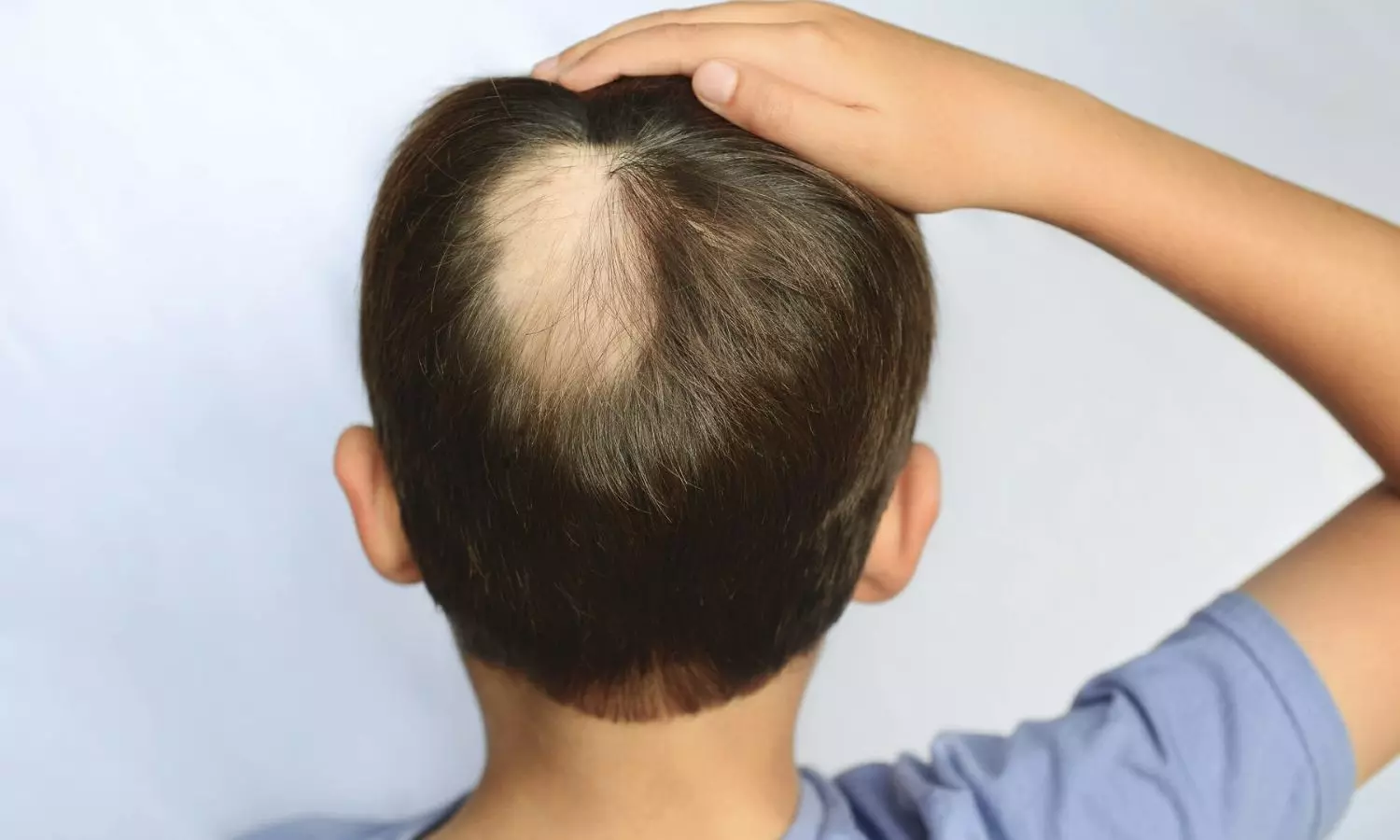


A recent comprehensive review published in the Indian Journal of Dermatology in July 2026 highlights that while a definitive cure for alopecia areata remains elusive, emerging targeted therapies like oral JAK inhibitors are revolutionizing clinical management—delivering a remarkable 72.4% response rate and unprecedented hope for the 2% of the global population affected by this unpredictable autoimmune disease.
Driven by the lack of effective long-term treatments for severe alopecia areata, Prof. Sudip Das and colleagues from Calcutta National Medical College reviewed recent advances in the condition's pathogenesis, genetic triggers, and targeted therapies to guide clinical decision-making.
Therefore, the comprehensive review evaluates recent genomic data, diagnostic scoring tools, and therapies—ranging from topical agents to systemic biologics—to update clinical management strategies for alopecia areata. It specifically focuses on treatment efficacies, patient comorbidities, and the underlying Th1 and Th17 cytokine dysregulation.
Key Clinical Findings of the Review Includes:
Comorbidity Prevalence: The review underscored that vitamin D deficiency (65.4%), metabolic syndrome (37.3%), hyperlipidemia (22.4%), hypertension (21.8%), and thyroid dysfunction (12.5%) are highly prevalent concurrent conditions requiring active clinical surveillance.
Diagnostic Tools: The review detailed that the Alopecia Areata Disease Activity Index (ALADIN) and the Alopecia Areata Gene Signature (AAGS) are vital quantitative gene-expression instruments that effectively stratify disease severity and differentiate mild from severe forms.
Inhibitor Efficacy: Analyzing recent therapeutic breakthroughs, the research revealed that oral Janus kinase (JAK) inhibitors yield an impressive 72.4% positive response rate in clinical cohorts, with complete hair regrowth frequently manifesting within 6.7 months.
Conventional Therapeutics Outcomes: The investigators documented that while 5% topical minoxidil successfully stimulates regrowth in 81% of localized patchy presentations, oral mini-pulse (OMP) systemic corticosteroid therapy achieves a substantial 71.43% regrowth rate for more extensive and resistant clinical patterns.
The results suggest that while no definitive cure has been established, the strategic integration of novel targeted immunomodulators, precise genetic assessment algorithms, and dedicated comorbidity management can significantly alter the disease trajectory and stimulate a remarkable 72.4% regrowth response with advanced medications.
Thus, the review concludes clinicians might consider adopting a comprehensive, multidisciplinary approach that gently pairs cutting-edge pharmacological interventions with routine psychological screening to holistically support the physical recovery and emotional well-being of their patients facing this challenging dermatological condition.
Although current conventional treatments often demonstrate limited efficacy and potential side effects in widespread hair loss scenarios, continued investigation into gut microbiome modifications and sophisticated stem cell therapies could softly illuminate the path toward more refined, highly personalized clinical solutions in the foreseeable future.
Reference
Das S, Singh A, Ahmed SK. A comprehensive overview on alopecia areata with review on advances in genetics and treatment. Indian J Dermatol 2026;71:257-65.
