
Sirolimus Gel Shows Promise for Acanthosis Nigricans, Suggests Study
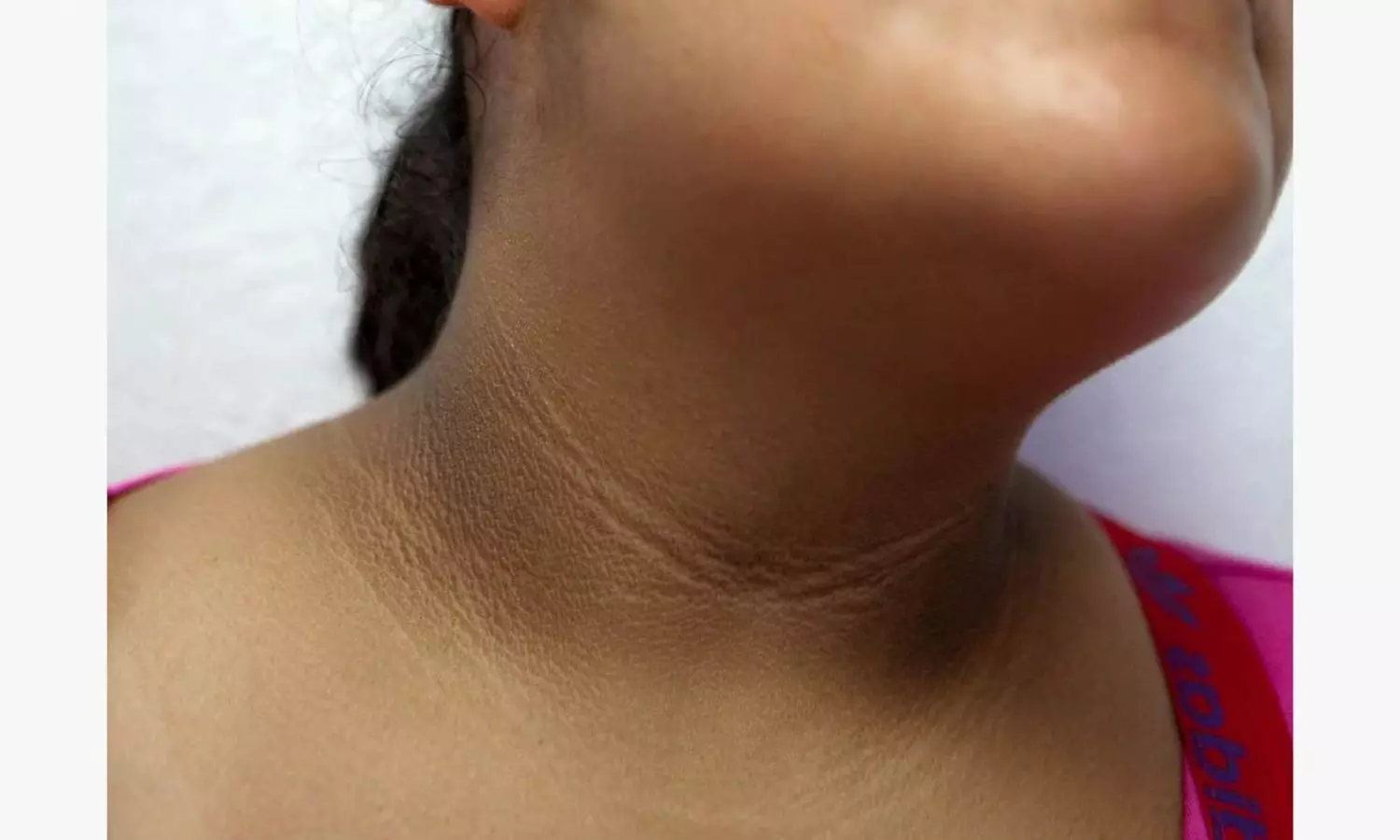


USA: A small study published in the Journal of Drugs in Dermatology has found that 0.2% sirolimus gel applied twice daily was safe and effective for improving acanthosis nigricans, a skin condition commonly associated with insulin resistance and prevalent among people with skin of color. After 12 weeks, participants experienced a 19.7% reduction in pigmentation and a 30.2% improvement in skin texture, with early improvements observed as soon as week 4.
Acanthosis nigricans (AN) is a common skin disorder characterized by darkened, thickened, velvety plaques that most often develop in body folds such as the neck and underarms. The condition is frequently linked to obesity and insulin resistance and is more commonly seen in individuals with skin of color. Despite its prevalence and impact on quality of life, there are currently no US Food and Drug Administration (FDA)-approved pharmacological treatments specifically indicated for AN.
To explore a potential treatment option, researchers led by Kayla Zafar, BA, from the Dermatology Service at VA New York Harbor Healthcare System, Brooklyn, New York, conducted an investigator-initiated, single-center, phase 2 pilot study to assess the safety and effectiveness of topical sirolimus gel 0.2% in adults with AN affecting the back of the neck.
The 12-week study enrolled five adult participants, all of whom applied sirolimus gel 0.2% twice daily to the affected area. Clinical assessments were performed at baseline and at weeks 4, 8, and 12. Researchers evaluated changes in pigmentation using a narrowband reflectance spectrophotometer and colorimeter to measure the Melanin Index (M-index). They also assessed disease severity using the Acanthosis Nigricans Scoring Chart (ANSC), quality of life with the Dermatology Life Quality Index (DLQI), and treatment response through both patient and investigator global evaluations. Treatment satisfaction and safety were also monitored throughout the study.
The study led to the following findings:
- Participants experienced a 19.7% reduction in pigmentation (Melanin Index) after 12 weeks of treatment.
- Disease severity improved by 30.2%, with significant reductions in Acanthosis Nigricans Scoring Chart (ANSC) scores.
- Improvements in pigmentation and skin texture were evident as early as week 4.
- Dermatology Life Quality Index (DLQI) scores improved significantly from baseline, reflecting better quality of life.
- Both patient and investigator global evaluations indicated meaningful clinical improvement, and participants reported high treatment satisfaction.
- No serious adverse events were observed during the study.
- The only treatment-related side effects were mild application-site dryness and erythema, both of which were well tolerated.
The researchers concluded that sirolimus gel 0.2% appears to be a promising topical treatment for acanthosis nigricans, offering early improvements in pigmentation, skin texture, and patient-reported outcomes with minimal side effects. However, they emphasized that larger randomized controlled trials are needed to confirm these preliminary findings and establish the treatment's long-term efficacy and safety.
Reference:
Zafar K, Kabakova M, Bitterman D, Joerg L, Jagdeo J. Evaluating the Safety and Efficacy of Sirolimus Topical Gel 0.2% to Treat Acanthosis Nigricans. J Drugs Dermatol. 2026 Jul 1;25(7):615-620. doi: 10.36849/JDD.9457. PMID: 42406359.

Next Story