
- Home
- Medical news & Guidelines
- Anesthesiology
- Cardiology and CTVS
- Critical Care
- Dentistry
- Dermatology
- Diabetes and Endocrinology
- ENT
- Gastroenterology
- Medicine
- Nephrology
- Neurology
- Obstretics-Gynaecology
- Oncology
- Ophthalmology
- Orthopaedics
- Pediatrics-Neonatology
- Psychiatry
- Pulmonology
- Radiology
- Surgery
- Urology
- Laboratory Medicine
- Diet
- Nursing
- Paramedical
- Physiotherapy
- Health news
- Fact Check
- Bone Health Fact Check
- Brain Health Fact Check
- Cancer Related Fact Check
- Child Care Fact Check
- Dental and oral health fact check
- Diabetes and metabolic health fact check
- Diet and Nutrition Fact Check
- Eye and ENT Care Fact Check
- Fitness fact check
- Gut health fact check
- Heart health fact check
- Kidney health fact check
- Medical education fact check
- Men's health fact check
- Respiratory fact check
- Skin and hair care fact check
- Vaccine and Immunization fact check
- Women's health fact check
- AYUSH
- State News
- Andaman and Nicobar Islands
- Andhra Pradesh
- Arunachal Pradesh
- Assam
- Bihar
- Chandigarh
- Chattisgarh
- Dadra and Nagar Haveli
- Daman and Diu
- Delhi
- Goa
- Gujarat
- Haryana
- Himachal Pradesh
- Jammu & Kashmir
- Jharkhand
- Karnataka
- Kerala
- Ladakh
- Lakshadweep
- Madhya Pradesh
- Maharashtra
- Manipur
- Meghalaya
- Mizoram
- Nagaland
- Odisha
- Puducherry
- Punjab
- Rajasthan
- Sikkim
- Tamil Nadu
- Telangana
- Tripura
- Uttar Pradesh
- Uttrakhand
- West Bengal
- Medical Education
- Industry
Skin hyperpigmentation: A critical early warning sign of rare Addison’s disease
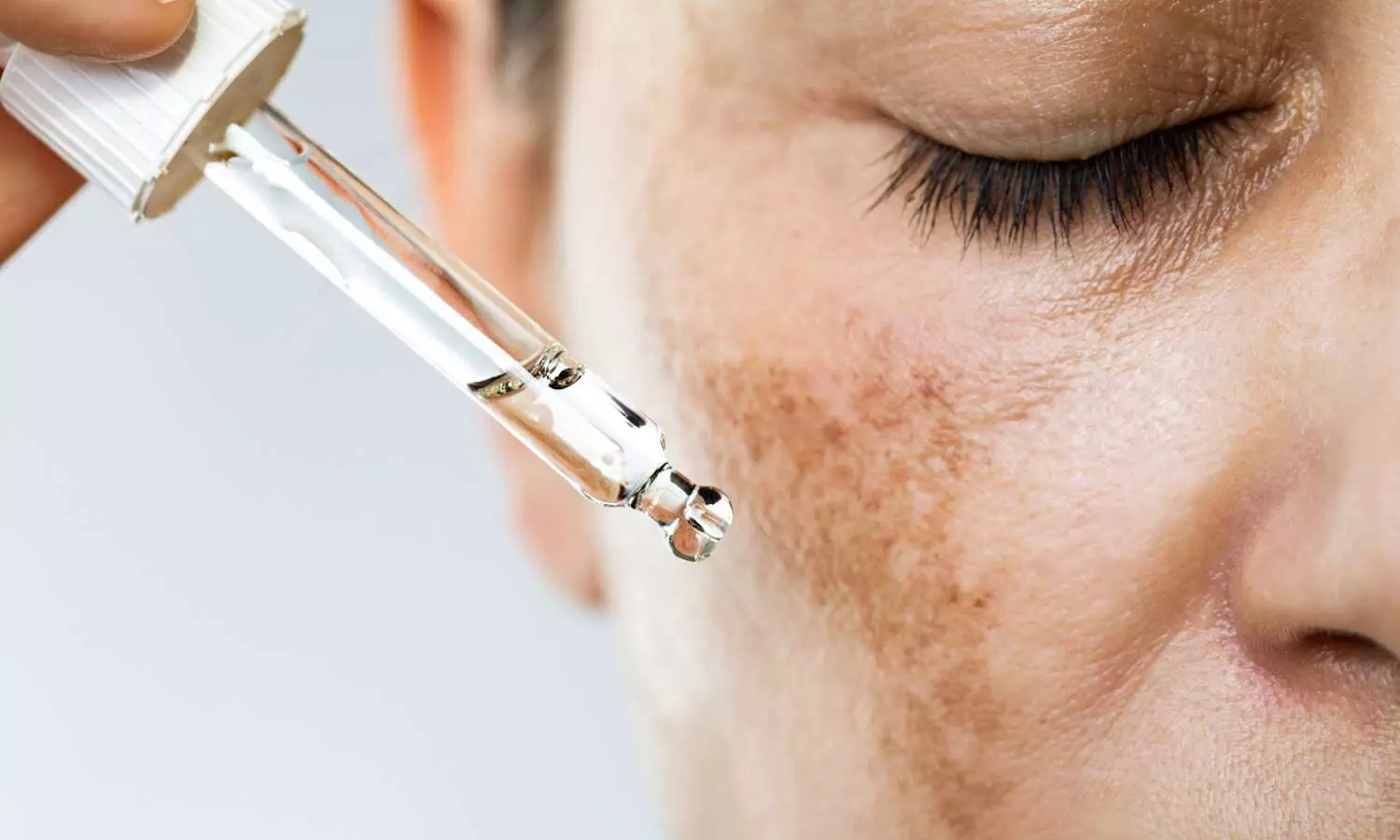
A 24-year-old woman presented with two years of unexplained darkening of her hands, feet, gums, and tongue. Initially dismissed as a cosmetic concern, the pigmentation was eventually identified as the first sign of a rare but serious endocrine disorder.
The patient also reported fatigue, irritability, poor appetite, and 2.5 kg of weight loss over six months. Laboratory tests revealed abnormally low cortisol levels and drastically elevated adrenocorticotropic hormone (ACTH). A positive tuberculosis test and adrenal calcification on CT scan confirmed the diagnosis of Addison’s disease caused by adrenal tuberculosis.
After treatment with prednisone and anti-tuberculosis medications, the patient’s symptoms resolved completely, and her skin pigmentation faded significantly within six months. This case underscores the vital role of dermatologists in recognizing systemic diseases through their skin manifestations. Addison’s disease can be fatal if undiagnosed, as it may progress to life-threatening adrenal crisis.
The work titled “Hyperpigmentation: Initial Sign of Addison’s Disease”, was published on Skin,
Reference:
Liu, Y., & Li, C. (2026) Hyperpigmentation: Initial Sign of Addison’s Disease. Skin. DOI: 10.2738/SKIN.2026.0021. https://journal.hep.com.cn/skin/EN/10.2738/SKIN.2026.0021

Dr Kamal Kant Kohli-MBBS, DTCD- a chest specialist with more than 30 years of practice and a flair for writing clinical articles, Dr Kamal Kant Kohli joined Medical Dialogues as a Chief Editor of Medical News. Besides writing articles, as an editor, he proofreads and verifies all the medical content published on Medical Dialogues including those coming from journals, studies,medical conferences,guidelines etc. Email: drkohli@medicaldialogues.in. Contact no. 011-43720751

