
ADA-EASD 2026 Consensus Guidelines: 6 key updates
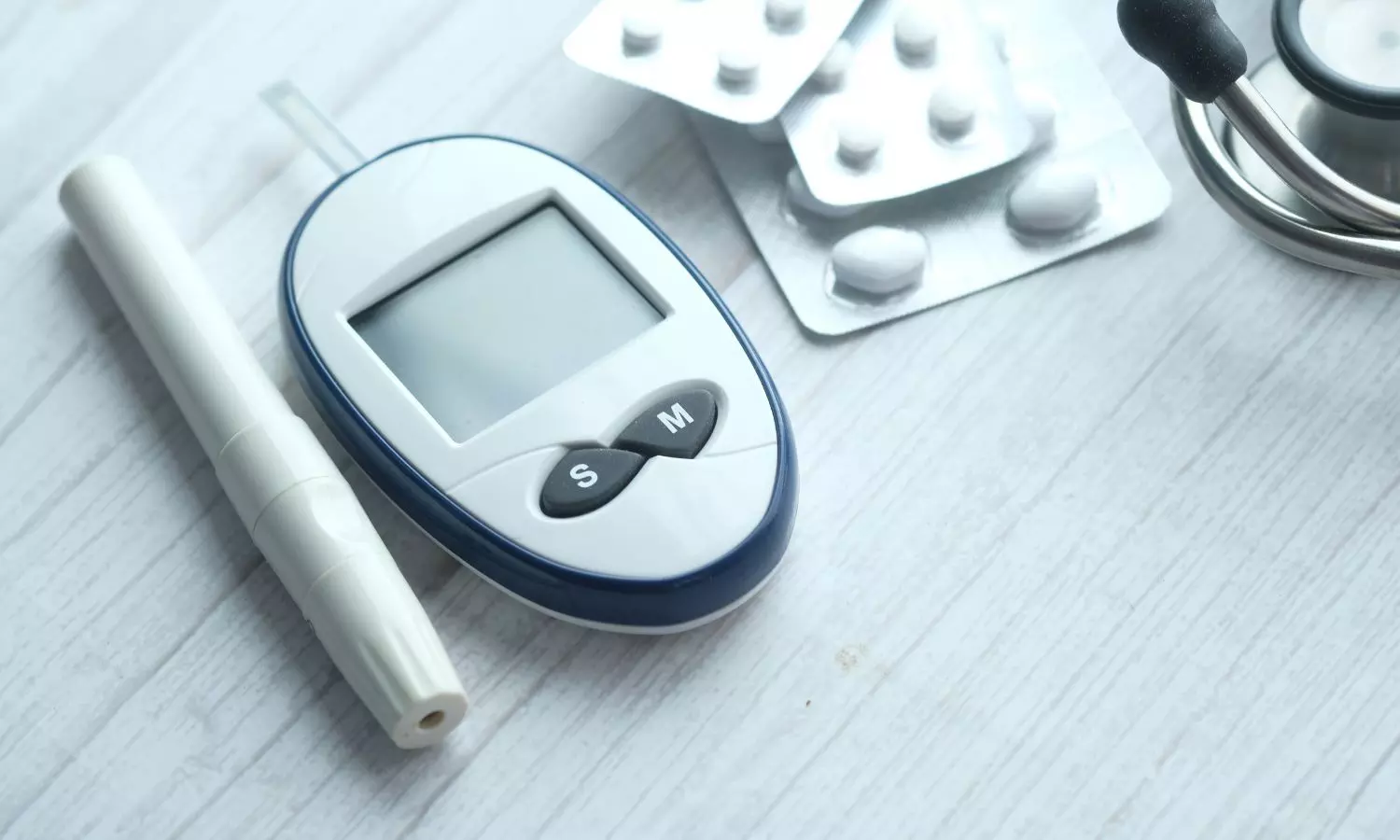


New York/ Leicester: In a major joint consensus report published simultaneously in Diabetologia and Diabetes Care, the American Diabetes Association (ADA) and the European Association for the Study of Diabetes (EASD) have updated their global consensus recommendations for managing type 2 diabetes (T2D) in non-pregnant adults. Co-chaired by Prof. Melanie J. Davies and Dr. John B. Buse, the 2026 consensus statement marks a pivotal evolution from traditional glucose-centric treatment paradigms toward an anticipatory, holistic care framework addressing multiple long-term conditions (MLTCs).
The guidelines emphasize proactive multi-organ risk management, structured lifestyle frameworks, and the early deployment of disease-modifying pharmacotherapies right from the point of diagnosis.
Key Highlights & Guideline Updates
1. Early Organ Protection:
Moving Beyond Glucose Alone First-Line Considerations: The consensus panel advocates for the early deployment-potentially from diagnosis-of Sodium-Glucose Cotransporter 2 (SGLT2) inhibitors and/or Glucagon-Like Peptide-1 (GLP-1)-based therapies (encompassing GLP-1 receptor agonists and the dual GLP-1/GIP agonist tirzepatide) for organ protection, independent of baseline levels or metformin status.
Metformin-Independent Benefits: The cardio-renal protection offered by SGLT2 inhibitors and GLP-1-based agents has been proven independent of metformin use, positioning them as foundational therapeutic levers for individuals with established or high risk of cardiovascular disease (CVD), chronic kidney disease (CKD), or heart failure.
Early Combination Therapy: For patients with concomitant CVD, CKD, or heart failure, clinicians should consider early dual combination therapy with both an SGLT2 inhibitor and a GLP-1-based agent to deliver additive cardio-renal-metabolic benefits.
2. The "Five S's" 24-Hour Behavioural Framework Comprehensive Daily Movement:
Integrated care now incorporates a structured 24-hour physical behavior framework based on the "Five S's":
• Standing: Regularly breaking up prolonged sitting with light movement breaks.
• Stepping: Targeting daily step counts of 6,000 to 10,000 steps/day for clinically meaningful cardiometabolic risk reduction.
• Sweating: Accumulating at least 150 minutes/week of moderate-to-vigorous aerobic activity.
• Strengthening: Engaging in resistance training 2 to 3 times/week.
• Sleep: Prioritizing adequate quality, quantity (7–8 hours), and consistent sleep timing.
Preserving Muscle Mass: Because 25% to 40% of total weight loss achieved with GLP-1-based therapies can represent lean mass loss, incorporating resistance exercise ("strengthening") and ensuring adequate dietary protein are explicitly recommended to prevent sarcopenia and preserve physical function.
3. Weight Loss, Remission, and Personalised Nutrition Targeting Remission:
Achieving a weight loss of 10% to 15% or greater early in the disease course significantly increases the likelihood of normoglycaemia and T2D remission.
Nutrition Therapy (MNT): There is no single macronutrient ratio for all individuals; structured eating patterns such as the Mediterranean diet (strongly recommended for established ASCVD), 5:2 intermittent fasting, and low-carbohydrate diets are recommended based on feasibility and personal preference.
Nutritional Safeguards: Integrated dietitian-led care is emphasized alongside potent weight-loss pharmacotherapy or metabolic surgery to safeguard food intake quality and prevent nutritional risks .
4. Cardio-Renal, Vascular & Liver Outcomes Heart Failure & CKD:
SGLT2 inhibitors remain foundational across all ejection fraction ranges and CKD strata.
Additionally, the non-steroidal mineralocorticoid receptor antagonist (MRA) finerenone is recommended for patients with T2D and CKD with albuminuria ({UACR} > 3.0-{ mg/mmol}) to slow disease progression.
MASLD / MASH: In patients with metabolic dysfunction-associated steatotic liver disease (MASLD) or steatohepatitis (MASH), semaglutide (ESSENCE trial), tirzepatide (SYNERGY-NASH trial), or pioglitazone are preferred to resolve steatohepatitis and reduce liver fibrosis.
Peripheral Arterial Disease (PAD): Semaglutide is specifically indicated to improve functional walking capacity and reduce major adverse limb events (MALE).
5. Once-Weekly Insulins & Technology Integration Basal Insulin Innovations:
The consensus statement highlights newly introduced once-weekly basal insulins (such as insulin icodec and insulin efsitora alfa) as well as once-weekly fixed-ratio combinations (IcoSema), offering reduced injection frequency while maintaining efficacy.
Diabetes Technology: Continuous Glucose Monitoring (CGM) is recommended as an adjunctive tool, particularly for individuals on insulin, aiming for a general Time in Range (3.9–10.0 mmol/L) .
6. Special Populations & Overcoming Therapeutic Inertia Early-Onset T2D:
Adults diagnosed at a younger age (<40 years) experience accelerated beta-cell loss and rapid complication onset, necessitating prompt initiation of combination therapies.
Systemic Changes: Healthcare systems are urged to leverage interprofessional team-based care (nurses, dietitians, pharmacists), digital health modalities, and routine screening to overcome therapeutic inertia and address social determinants of health (SDOH).
Reference:
Davies, M.J., Aroda, V.R., Bajaj, M. et al. Management of type 2 diabetes, 2026. A consensus report by the American Diabetes Association (ADA) and the European Association for the Study of Diabetes (EASD). Diabetologia (2026). https://doi.org/10.1007/s00125-026-06855-7
