
Adrenal Dysfunction Common in HIV Patients; Hyponatremia May Guide Screening, Sugests Study
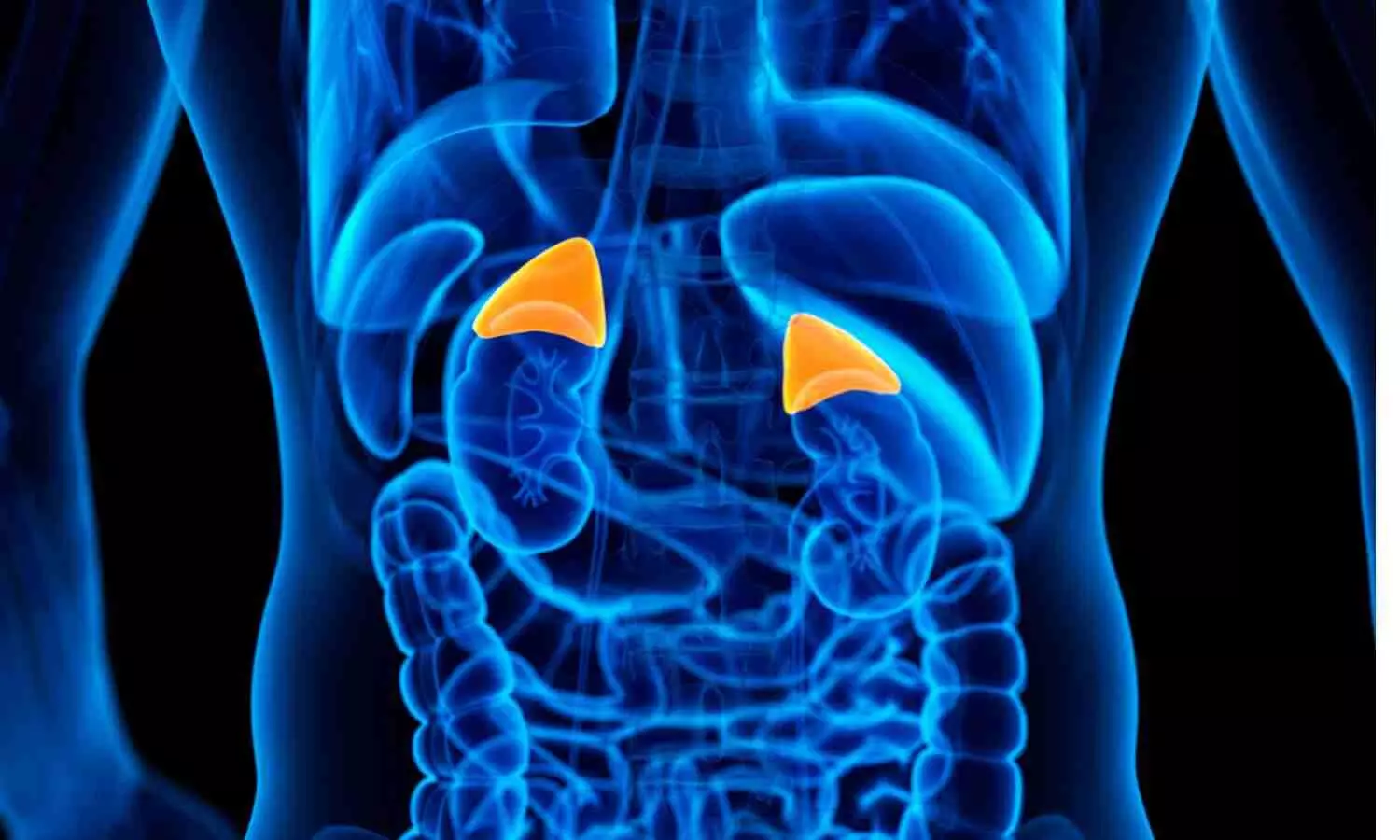


A recent prospective cohort study published in the Indian Journal of Endocrinology and Metabolism in December 2025 reveals an alarmingly high prevalence of adrenal dysfunction among HIV patients, affecting 71.4% of stable individuals and 30.5% of advanced cases. For clinicians, utilizing hyponatremia as a key indicator for targeted routine screening could prove to be a life-saving strategy.
Although adrenal insufficiency (AI) is highly prevalent in people living with HIV (PLHIV), standard screening guidelines and specific data for the Indian population remain limited. To address this clinical gap, Dr. Pratheek Choppala and colleagues at AIIMS, New Delhi, investigated adrenocortical dysfunction in PLHIV, specifically evaluating AI, low DHEA-S levels, and elevated cortisol/DHEA-S ratios.
Therefore, the two-year prospective cohort study in northern India evaluated 71 PLHIV, comparing those with advanced disease (WHO stage 3/4 or CD4 <200/µL) against those with stable disease. After excluding patients on mechanical ventilation, inotropes, or corticosteroids, researchers used the Acton Prolongatum stimulation test—measuring serum cortisol at 0, 60, and 120 minutes—to assess the prevalence of adrenal insufficiency and track six-month mortality outcomes.
Key Clinical Findings of the Study Includes:
High AI Prevalence: Assessments revealed an unexpectedly high occurrence of AI, affecting 30.56% of advanced disease participants and 71.43% of stable participants when utilizing a stimulated cortisol threshold of less than 19.5 µg/dL.
Hyponatremia as a Predictor: Analysis identified hyponatremia as a highly significant predictive variable for AI development, explicitly noted in 91% of advanced HIV patients with AI compared to 48% of those without it.
Steroid Metabolism Shifts: Evaluations demonstrated that patients with advanced HIV exhibited significantly elevated median basal cortisol levels (14.3 vs. 10.3 µg/dL) and a markedly higher cortisol/DHEA-S ratio (63.9% vs. 5.7%) compared to the stable group.
Mortality Indicators: Data confirmed that higher basal cortisol levels, diminished CD4 counts, adverse cortisol/DHEA-S ratios, and concurrent opportunistic infections were strongly associated with increased mortality.
The results suggest that adrenal insufficiency is a remarkably prevalent yet underdiagnosed complication among PLHIV, with 75% of advanced patients notably demonstrating low DHEA-S levels alongside altered cortisol responses, emphasizing the necessity of accurate endocrine evaluations.
Thus, the study concludes clinicians should gently consider implementing routine adrenal screening protocols when HIV-positive patients initially present to antiretroviral therapy centers, particularly by keeping a watchful eye on hyponatremia as a guiding indicator for further testing.
The relatively small sample size, the short six-month follow-up window, and the lack of diagnostic confirmation using the gold-standard synacthen test serve as modest limitations to this cohort study. Consequently, pursuing further research with larger sample sizes and exploring low-dose stimulation alternatives could delicately refine our understanding of adrenal dysfunction in this vulnerable patient population.
Reference
Choppala P, Vutukuri SS, Kattamuri L, Sethi P, Nischal N, Khadgawat R, et al. Prevalence and clinical associations of adrenal dysfunction in people living with human immunodeficiency virus: A prospective cohort study. Indian J Endocr Metab 2025;29:652-8.
