
ApoB/A1 Ratio Linked to Diabetic Neuropathy Risk in Elderly T2DM: Study
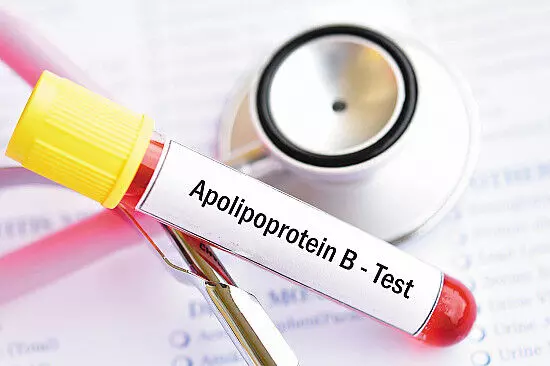


A new study published in the journal of Diabetic Medicine revealed that elevated apolipoprotein B (ApoB) levels and a higher ApoB/A1 ratio are significantly associated with diabetes-related neuropathy in elderly patients with type 2 diabetes. The ApoB/A1 ratio may serve as a useful biomarker for identifying individuals at increased risk of neuropathic complications.
Diabetic neuropathy is one of the most common microvascular complications of long-term diabetes, among people aged 60 and above. The condition affects peripheral nerves, leading to numbness, tingling, pain, or weakness in the limbs. Early detection of individuals at higher risk remains a major challenge for clinicians managing aging diabetic populations.
Thus, this study examined 63 individuals aged 60 years or older diagnosed with type 2 diabetes. Neuropathy status was evaluated using the Michigan Neuropathy Screening Instrument which assesses symptoms and physical signs of nerve damage. Blood levels of the apolipoproteins ApoA1 and ApoB were measured through turbidimetric analysis, and the ratio between the 2 proteins was calculated.
ApoA1 is generally associated with protective high-density lipoprotein (HDL) particles, which help remove excess cholesterol from the bloodstream. In contrast, ApoB is found in atherogenic lipoproteins that contribute to plaque formation and cardiovascular risk. Because these proteins play opposite roles in lipid regulation, the ratio between ApoB and ApoA1 has gained attention as a sensitive indicator of cardiometabolic health.
The study revealed that diabetes-related neuropathy was present in 55.6% of participants. Patients diagnosed with neuropathy showed significantly higher ApoB levels and ApoB/A1 ratios when compared to those without neuropathy. Statistical analysis demonstrated strong positive correlations between neuropathy severity scores and both ApoB levels and the ApoB/A1 ratio.
The study observed that glycated hemoglobin (HbA1c) was positively associated with ApoB and the ApoB/A1 ratio while showing a negative correlation with ApoA1. This pattern suggests that poor glycemic control may worsen lipid imbalance and contribute to nerve damage. Overall, the findings indicate that the ApoB/A1 ratio could serve as a useful biomarker for identifying elderly individuals with type 2 diabetes who are at greater risk of developing neuropathic complications.
Detecting these risks early may allow healthcare providers to intervene sooner through tighter glucose control, lifestyle changes, or targeted lipid management strategies. Further dedicated studies are imperative to confirm whether the ApoB/A1 ratio could be integrated into routine screening for neuropathy risk in aging populations with diabetes.
Source:
Budianto, I. R., Gosal, E., Djuartina, T., & Sutrisno, A. (2026). The association between Apolipoprotein A1, Apolipoprotein B and their ratio with diabetes-related neuropathy in elderly patients. Diabetic Medicine: A Journal of the British Diabetic Association, 43(3), e70227. https://doi.org/10.1111/dme.70227

