Dietary Fiber intake tied to glycemic control and Microbiome-Guided Risk Reduction in High-Risk Pregnancy: Study
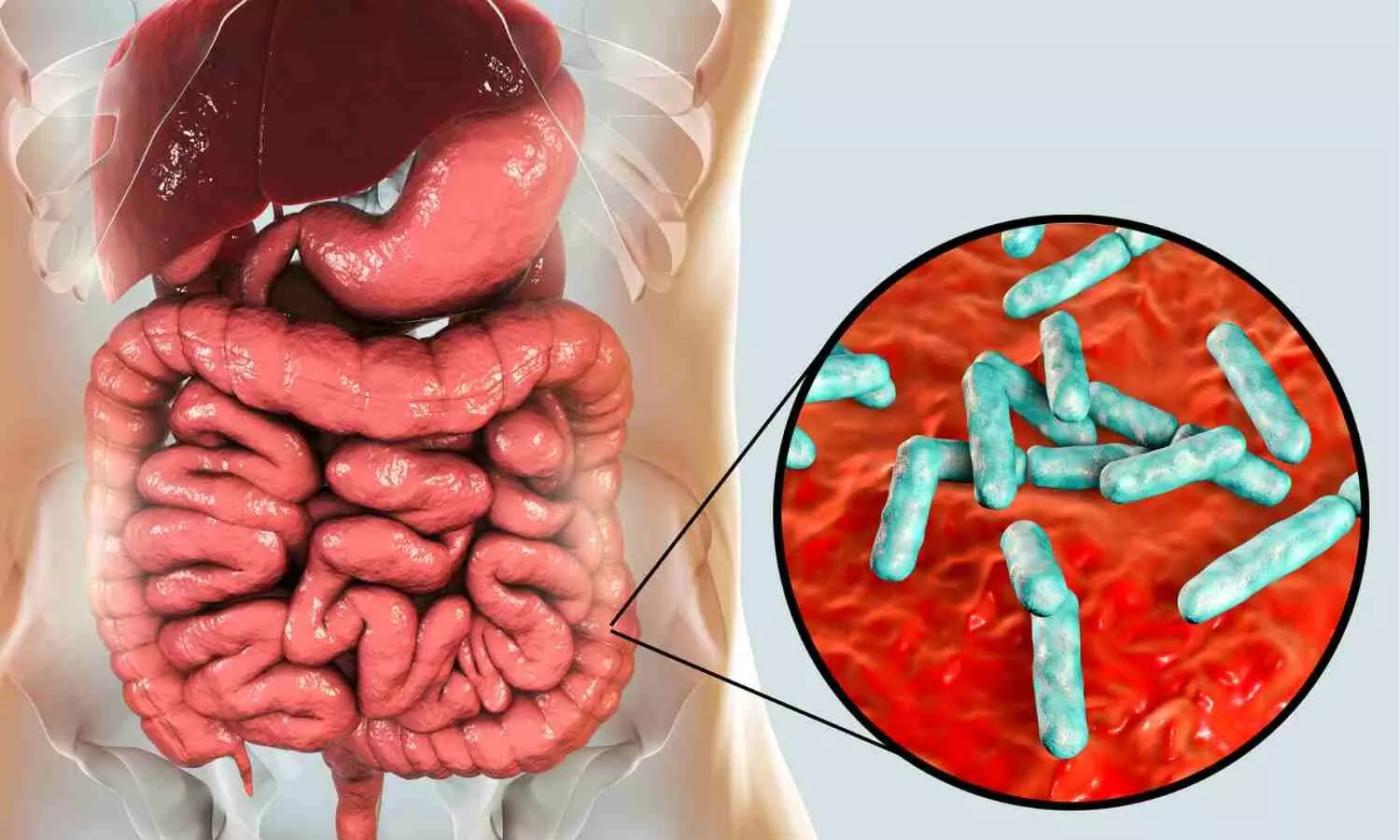


A recent study published in the Frontiers in Endocrinology found dietary fiber supplementation in high-risk pregnancies to be effective in improving 1-hour postprandial glucose control, reducing excessive weight gain, and lowering the risk of preterm birth. These benefits may be mediated through modulation of gut microbiota, particularly Bifidobacterium. Also, combining microbiome signatures with clinical parameters may enhance gestational diabetes mellitus (GDM) risk prediction.
GDM is a growing global concern, which is associated with complications like excessive fetal growth, preterm birth, and increased long-term risk of type 2 diabetes for both mother and child. Despite its prevalence, safe and non-invasive preventive strategies remain limited. Scientists are increasingly turning their attention to the gut microbiome, which plays a key role in metabolism and inflammation.
This randomized controlled trial recruited 98 pregnant women at elevated risk for GDM and monitored between 20 and nearly 25 weeks of pregnancy. The participants were divided into a group receiving daily soluble dietary fiber supplements for 5 weeks, and the other receiving standard prenatal care.
Despite the overall incidence of GDM, which did not differ significantly between the groups, the findings revealed several important benefits among those who took fiber supplements. Also, these women experienced improved blood sugar control, particularly lower glucose levels 1-hour after meals. Measures of overall glucose exposure during testing also showed meaningful reductions.
The fiber group gained less weight during the study period and reported no cases of preterm birth, when compared to a 12% rate in the control group. These findings suggest that even short-term dietary interventions can influence critical pregnancy outcomes.
The gut microbiota of the participants offered clues about how fiber may exert its effects. The supplementation appeared to promote beneficial bacteria like the Bifidobacterium and Limosilactobacillus, while reducing less favorable strains. These microbial shifts were associated with decreased activity in pathways linked to inflammation, which points to a possible mechanism behind the improved metabolic outcomes.
Also, the research developed a predictive model by combining clinical data with microbial markers. This model demonstrated higher accuracy in identifying women at risk for GDM than traditional clinical assessments alone, which highlighted the potential of microbiome-based diagnostics in prenatal care. Larger multicenter studies are needed to validate these findings and support the role of precision nutrition in prenatal care
Source:
Zhang, D., Sheng, J., He, P., Wang, J., Zhou, M., Sun, Y., Cao, Y., Jiang, Y., Jia, H., Wang, L., Xu, X., & Teng, Y. (2026a). Dietary fiber supplementation mitigates gestational diabetes risk and preterm birth via gut microbiota modulation: a randomized controlled trial. Frontiers in Endocrinology, 17(1794560), 1794560. https://doi.org/10.3389/fendo.2026.1794560