
Digital Diabetes Management may Improve Glycemic Control in Diabetes patients: Study
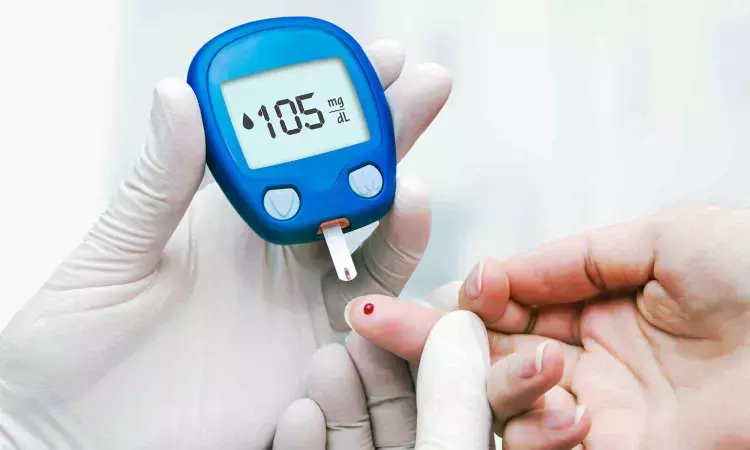


A recent study published in the journal of Diabetes, Obesity and Metabolism has found that an online diabetes management system with digital coaching significantly reduced HbA1C levels in patients with type 2 diabetes. The participants receiving digital coaching experienced a 0.9% reduction in HbA1C, compared with a 0.5% reduction in those receiving usual care. However, there were no significant differences between groups in blood pressure, lipid profiles, quality of life, or diabetes-related distress.
Type 2 diabetes remains one of the most challenging chronic conditions to manage, which requires ongoing monitoring of blood glucose, lifestyle adjustments, and medication adherence. While standard care typically involves periodic visits with a specialist, many patients struggle to maintain consistent control between appointments. This study explored whether digital monitoring paired with individualized coaching could help address these gaps.
This multicentre randomized controlled trial included 114 adults with Type 2 diabetes to receive either usual care or to a 52-week program that included a digital diabetes management system and remote coaching. Participants were around 58 years old on average and had lived with diabetes for more than a decade. Most participants were also classified as obese, which reflected on the complex health challenges commonly associated with the condition.
The digital platform allowed patients to track daily health indicators such as blood glucose levels, blood pressure, and lifestyle factors in a centralized electronic diary. At the same time, trained coaches conducted structured online sessions to help patients identify personal challenges and develop strategies for managing their disease.
After 26 weeks, changes in HbA1c levels showed a statistically significant improvement in the group using the digital system and coaching which was the primary outcome. Participants in the intervention group reduced HbA1c by an average of 0.9 percentage points, when compared to a 0.5-point reduction among those receiving usual care.
Measures of health-related quality of life and diabetes-related emotional distress did not differ significantly between the two groups after six months. The participants rated the platform with an average System Usability Scale score of 55.4 out of 100, which indicated moderate satisfaction but also room for improvement in design and user experience. Overall, the findings suggest that combining digital tracking with personalized guidance can support better metabolic control.
Source:
Verket, M., Buitkamp, L. F., Kanna, N. D. D., Thomas, A., Denger, R., Petry, F., Schubert-Olesen, O., Stütz, W., Simon, J., Pihusch, M., Dötsch, I., Krob, G., Tews, D., Stolz, D., Bergis, D., Lenthe, T., Schmidt-Mergenthaler, F., Dahlmann, E., Boehm, K., … Brandts, J. (2026). Effects of coaching with data management system intervention or usual care on glycemic control in patients with type 2 diabetes: A multicentre, randomised controlled trial. Diabetes, Obesity & Metabolism. https://doi.org/10.1111/dom.70534

