Empagliflozin Shows Broader Metabolic Benefits over Sitagliptin, finds study
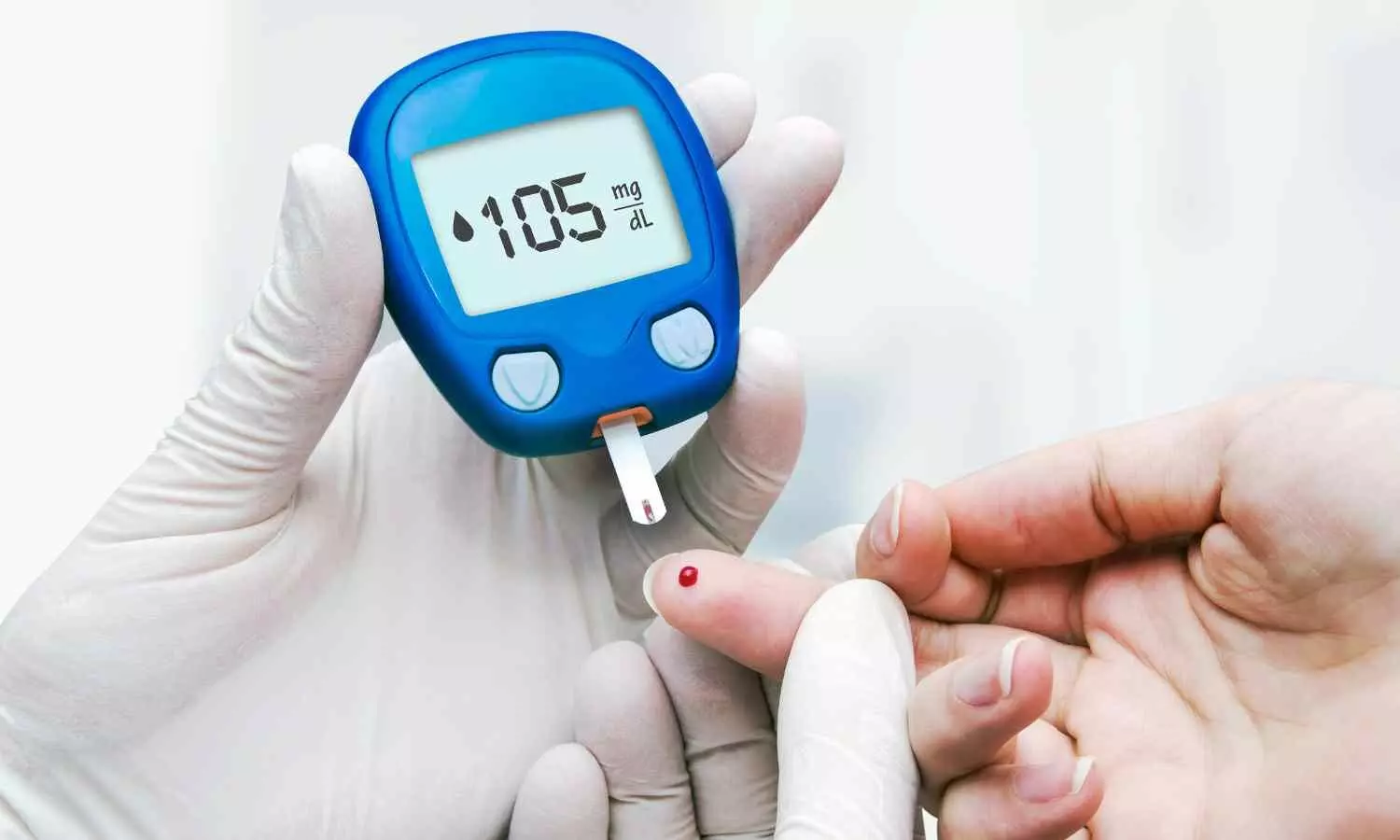


A new study published in the journal of BMC Endocrine Disorders revealed that empagliflozin and sitagliptin improved metabolic and inflammatory markers with similar increases in circulating adropin levels. However, empagliflozin provided greater benefits in insulin resistance, glycemic control, and lipid profile, while rising adropin levels may serve as a treatment-responsive biomarker rather than a drug-specific effect
The 12-week randomized study evaluated 100 adults with T2DM who were already receiving stable metformin therapy but continued to have elevated blood sugar levels (HbA1c levels over 7.5%). The participants were assigned to receive either empagliflozin, a sodium–glucose cotransporter 2 (SGLT2) inhibitor, or sitagliptin, a dipeptidyl peptidase 4 (DPP-4) inhibitor.
This study focused on adropin which is linked to insulin sensitivity, vascular health, and metabolic regulation. While both treatment groups demonstrated a significant rise in circulating adropin levels, the study revealed that empagliflozin delivered stronger improvements in several key metabolic markers.
Serum adropin increased substantially in both groups, which rose from an average of 291 pg/mL to 362 pg/mL in the empagliflozin arm and from 299 pg/mL to 358 pg/mL in the sitagliptin arm. This comparable increase suggests that adropin may function as a treatment-responsive biomarker of metabolic recovery rather than being tied to one specific drug class.
The homeostasis model assessment of insulin resistance (HOMA-IR) showed patients receiving empagliflozin to experience a sharper reduction in insulin resistance, when compared to those taking sitagliptin. Also, HbA1c levels significantly dropped more in the empagliflozin group from 8.10% to 7.04%, while the sitagliptin group decreased from 8.29% to 7.62%.
The SGLT2 inhibitor also demonstrated stronger effects on lipid metabolism. The participants treated with empagliflozin showed greater reductions in triglyceride levels and more pronounced increases in HDL cholesterol. Fasting insulin levels similarly declined to a greater extent among empagliflozin users.
Tumor necrosis factor-alpha (TNF-α), associated with diabetes complications, was decreasing significantly over the treatment period. However, reductions were numerically larger in the empagliflozin group.
Body weight and body mass index declined similarly across both treatment arms, which indicated that each medication contributed to modest weight reduction. Also, no serious adverse events were reported during the trial.
Overall, the findings of this study suggest the parallel increase in adropin observed with both therapies could pave the way for future use of the hormone as a biomarker for treatment response in T2DM.
Reference:
Taha, O. S., Azami, G., Saed, L., Hakhamaneshi, M. S., & Moridi, H. (2026). Beyond glycemic control: differential effects of empagliflozin and sitagliptin on insulin sensitivity and a shared increase in adropin in type 2 diabetes. BMC Endocrine Disorders. https://doi.org/10.1186/s12902-026-02320-z