GLP-1 Receptor Agonists May Reduce Risk of Glaucoma: Study
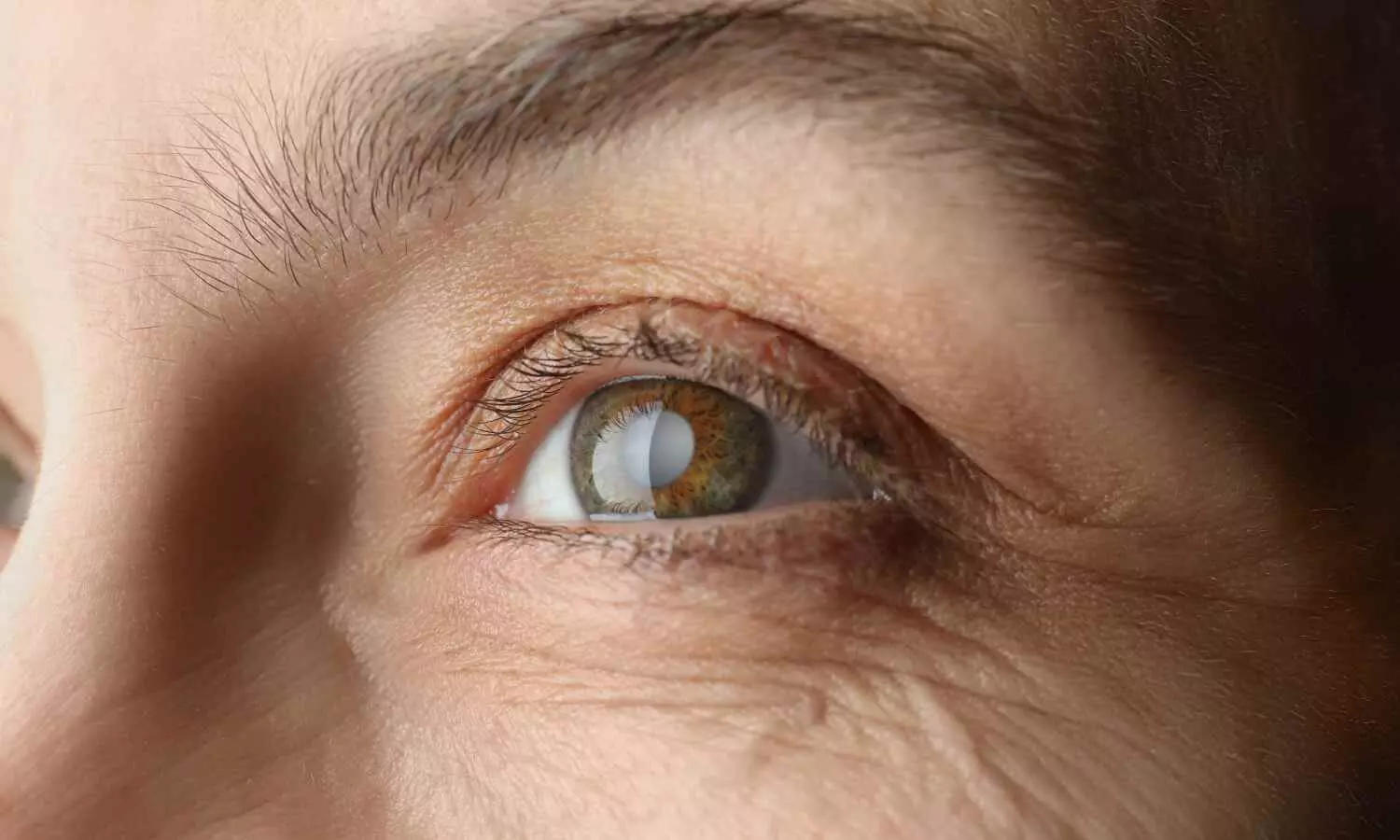


Researchers have found in a narrative review that GLP-1 receptor agonists may significantly lower the risk of ocular hypertension and glaucoma, suggesting potential therapeutic benefits. However, patients should be counseled about possible visual side effects and monitored closely. The study was published in Cureus by Jacky H. and colleagues.
GLP-1 is an incretin hormone released by intestinal L-cells, which stimulates glucose-dependent insulin secretion and promptly decreases blood glucose levels. GLP-1 receptor agonists are currently used to treat T2DM and obesity, showing promising results in glycemic control and weight loss in affected individuals. In fact, by 2024, 26.5% of adults with diagnosed diabetes are using GLP-1 injectable medications, demonstrating the rapid increase in the use of this drug class.
The systematic review included the evaluation of clinical and observational studies using PubMed, Elsevier, Embase, Google Scholar, Scopus, and Science Direct databases. The literature search was carried out on September 13, 2024; November 14, 2025; and concluded on January 28, 2026. The literature included clinical trials, meta-analyses, systematic reviews, and observational studies that included the ocular effects of GLP-1 receptor agonists and were published between 2014 and 2025. A total of 60 studies were included in the systematic review after excluding duplicate and irrelevant articles.
Key findings
About 26.5% of adults living with diagnosed diabetes were using GLP-1 injectable therapy in 2024.
It is estimated that up to 5% of the US population will be treated with GLP-1 therapy by the year 2030.
Severe glucose-lowering effects associated with GLP-1RA therapy may result in early worsening of diabetic retinopathy in 10%-20% of patients within 3-6 months when HbA1c falls by more than 1.5%.
A retrospective study involving 97,413 patients found increased DR progression in patients using GLP-1RA therapy (HR 1.50).
Another study involving 6,481 patients found increased risk of DME at three months (RR 1.192), six months (RR 1.22), one year (RR 1.24), and three years (RR 1.29).
A large observational study found increased risk of NAION in patients using semaglutide (HR 2.57-4.28).
Although the incidence was found to be very low at 2-10 cases per 100,000 population annually, the risk was found in the population using the drug.
GLP-1RA therapy was found to be protective in the development of glaucoma (HR 0.58) and significantly reduced the risk of papilledema by 68% in patients suffering from idiopathic intracranial hypertension.
Overall, the evidence suggests that GLP-1 receptor agonists have a complex dual relationship with ocular health, being protective against glaucoma and intracranial hypertension, and having observational evidence of transient worsening of diabetic retinopathy and optic nerve problems. The review concluded that the significant metabolic and cardio benefits of GLP-1RAs far outweigh the ocular risks, although it is recommended that patients be screened before treatment initiation and that they be advised about the possible ocular effects and the need to follow up closely when treatment is initiated and when the dose is increased.
Reference:
Huang J, Wu J, Ahmad H, et al. (February 08, 2026) The Benefits and Risks of Glucagon-Like Peptide-1 Receptor Agonists on Ocular Diseases: A Narrative Review. Cureus 18(2): e103234. doi:10.7759/cureus.103234