High salivery nitritre Levels Linked to Better Glycemic Control in T2DM: Study
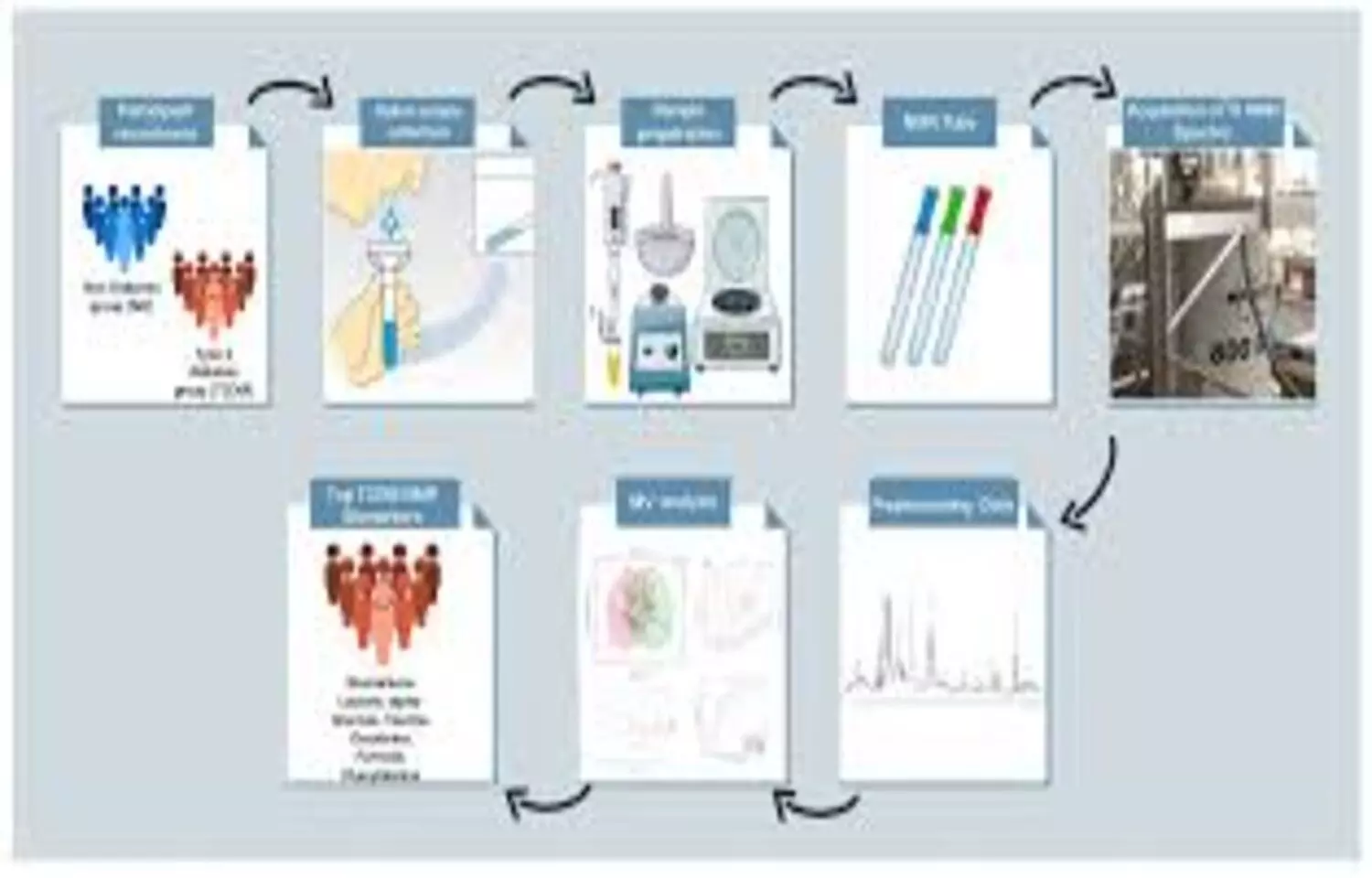


Researchers have found in a new research that elevated salivery nitritre levels were associated with improved glycemic control, enhanced insulin sensitivity, and increased nitric oxide (NO) bioavailability in patients with type 2 diabetes mellitus.
Salivary nitrite (SNO2), a marker of oral nitrate-reducing capacity and nitric oxide (NO) bioavailability, often impaired in type 2 diabetes (T2DM). This study aimed to investigate the associations between SNO2 concentration, and metabolic, vascular, and renal parameters in patients with Type 2 diabetes. Sixty-four adults with Type 2 diabetes (53.9 ± 7.2 years, 45.3% men, diabetes duration 8.3 ± 6.2 years) participated in this cross-sectional study. Salivary NO2 concentrations, glycemic parameters, blood pressure (BP) indices, renal function, lipid profiles, liver function, and systemic nitric oxide metabolites were measured. Participants with high- and low-SNO2 (< and ≥ 69.3 µmol/L) were compared for cardiometabolic parameters.
Compared with the low-SNO2 group, participants with higher SNO2 had lower HbA1c (6.2% vs. 6.9%, P = 0.040), fasting insulin (6.1 vs. 8.2 µU/mL, P = 0.007), HOMA-IR (2.1 vs. 3.3, P = 0.003), and C-peptide (1.3 vs. 1.7 ng/mL, P = 0.023), with higher QUICKI (0.34 vs. 0.32, P = 0.003). Fasting serum glucose was marginally lower (142 vs. 167 mg/dL, P = 0.069) in the high- compared to the low-SNO2 group. Median serum nitric oxide metabolites (NOx) concentrations were higher in the high-SNO2 group (51.1 vs. 29.1 µmol/L, P = 0.015). Salivary nitrate (NO3) (694 vs. 463 µmol/L, P = 0.035) and NO2 (153 vs. 20.6, P = 0.001) were also higher in the high- compared to low-SNO2 group. No significant difference was observed in BP measures, lipid profile, and liver and renal function test across groups.
High-SNO2 levels were associated with greater glycemic control, insulin sensitivity, and nitric oxide bioavailability in patients with Type 2 diabetes.
Reference:
Bahadoran, Z., Norouzirad, R., Jeddi, S. et al. Higher salivary nitrite is associated with improved glycemic control and insulin sensitivity in patients with type 2 diabetes. Nutr Metab (Lond) (2026). https://doi.org/10.1186/s12986-026-01104-5
Keywords:
High, salivery, nitritre, Levels, Linked, Better, Glycemic Control, T2DM, Study, Bahadoran, Z., Norouzirad, R., Jeddi, S, Salivary nitrite, Type 2 diabetes, Cardiometabolic health