
Hormone differences could pave way for endometriosis blood test: Study suggests
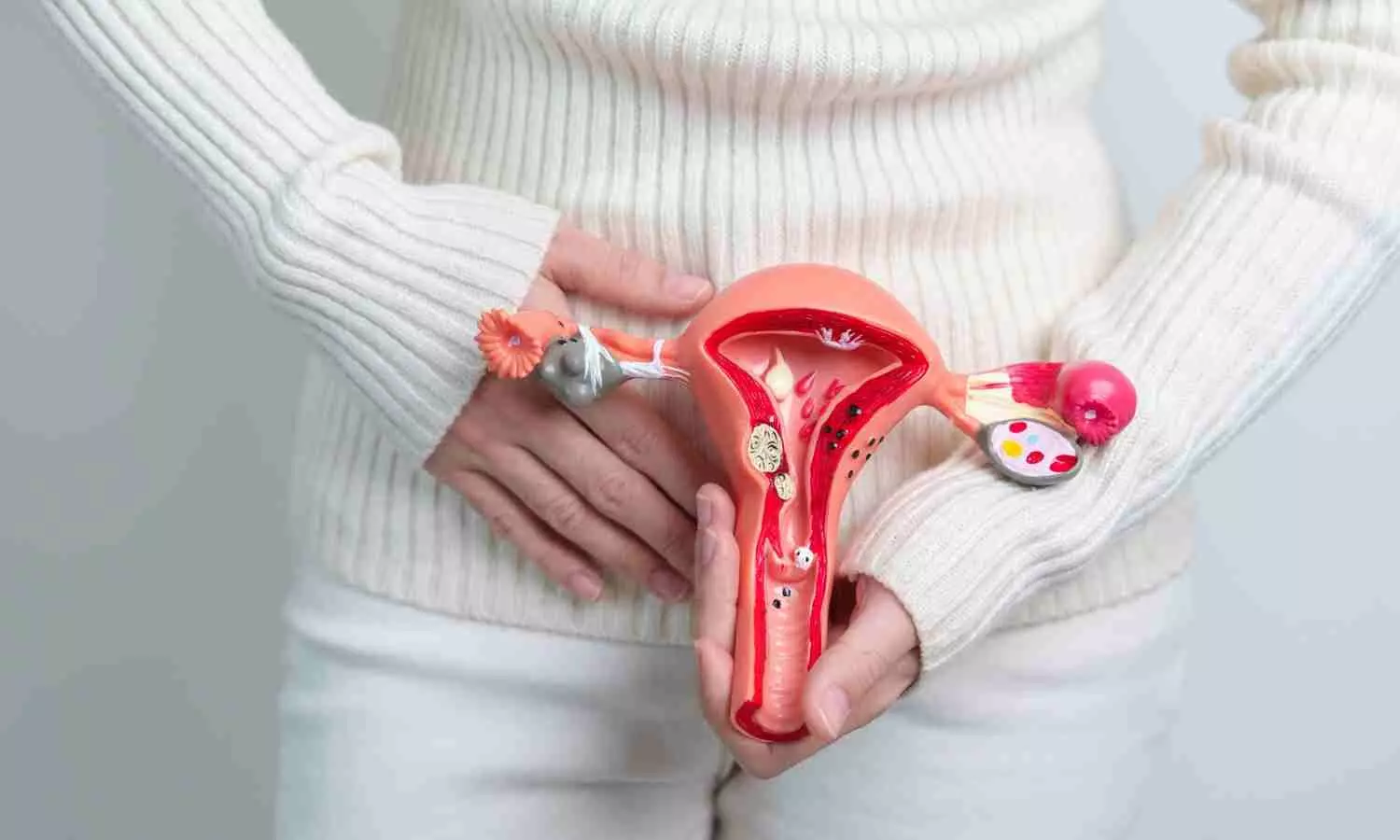


People with endometriosis have a distinct pattern of hormones which could be identified by a blood test, with the potential to revolutionise diagnosis of the condition, research suggests.
Scientists found that those with endometriosis have differences in a previously overlooked group of androgens – so-called male hormones, which are also present in females – compared with those without the condition.
The findings could provide a simple, non-invasive route for diagnosis of the condition, which currently takes an average of nine years in the UK and is confirmed through surgery, experts say. However, they caution that further studies are needed to validate the findings in a larger and more diverse population.
Endometriosis occurs when cells similar to the ones in the lining of the womb are found elsewhere in the body. These cells can grow and change in response to hormones, leading to inflammation, pain and the development of scar tissue.
The condition is driven by female hormones, oestrogen and progesterone, linked to the menstrual cycle. Research into the role of androgens, such as testosterone, has been limited.
University of Edinburgh scientists looked at hormone levels in the blood of 159 women with confirmed endometriosis and 57 women without the condition. Their analysis focused on androgens, including 11-oxygenated androgens – a group of hormones produced by the adrenal glands.
Researchers found that those with endometriosis had a distinct hormone fingerprint, including high levels of the 11-oxygenated androgen, 11-ketotestosterone.
This unique hormone signature was used to differentiate between those with and without endometriosis, correctly identifying more than 95 per cent of endometriosis patients.
Working with Edinburgh Innovations, the University’s commercialisation service, the team is now looking for industry partners to help develop a diagnostic blood test for endometriosis based on the findings.
The study provides crucial new insights into the important role of androgens in the development of endometriosis, and could also offer a potential route for future therapeutic targets, experts say.
The study, funded by Wellcome and the Medical Research Council, is published in the European Journal of Endocrinology will become active after embargo lifts]. The research team also included scientists from the Universities of Liverpool, Glasgow and Birmingham.
The study’s principal investigator, Dr Douglas Gibson, from the University of Edinburgh’s Centre for Reproductive Health, said: “These findings mark a significant breakthrough in our understanding of endometriosis. Traditionally seen as an oestrogen-driven disorder, our research challenges this view by showing different androgen levels in the condition. We are optimistic that this new insight will lead to earlier diagnosis and the development of innovative new treatments for those affected by endometriosis.”
Dr Susan Bodie, Director of Innovation Development and Licensing at Edinburgh Innovations said: “This is an exciting discovery that addresses an important unmet need in the field of women’s health. Edinburgh Innovations would encourage partners who can help develop this proprietary technology, so it can reach women who currently wait years for an endometriosis diagnosis, to get in touch.”
Emma Cox, CEO of Endometriosis UK said: “Endometriosis affects 1 in 10 women and those assigned female at birth, yet has historically been under-researched and under-funded. For too long, those with endometriosis have faced unacceptably long waits for diagnosis, and it currently takes an average of over 9 years to get a diagnosis in the UK. Without a diagnosis, treatment cannot be accessed and the disease may progress.
"A reliable, non-surgical diagnostic test is much needed, long-awaited, and could help drive down diagnosis times to just a few months. These early results are promising, however larger trials will be essential to validate these findings. This is exactly why investment in endometriosis research matters - and why we will be following the progress of this research with interest."
Jill Jones, Associate Director of Global Health, Population and Systems Medicine at the Medical Research Council, said: “This important study tackles an area of unmet clinical need and has the potential to inform diagnosis and treatment of endometriosis, which affects millions of women worldwide.
“It highlights the important role discovery science plays in improving lives, in this case offering an exciting new pathway to accelerating diagnosis.”
Reference:
Ioannis Simitsidellis, Rebecca J Ainslie, Angela E Taylor, Lorna C Gilligan, Fozia Shaheen, Samira Blanke, Craig Anderson, Dharani Hapangama, Wiebke Arlt, Andrew W Horne, Philippa T K Saunders, Douglas A Gibson, Steroid hormone profiling reveals altered adrenal androgen production in endometriosis, European Journal of Endocrinology, Volume 195, Issue 1, July 2026, Pages 22–34, https://doi.org/10.1093/ejendo/lvag109
