
- Home
- Medical news & Guidelines
- Anesthesiology
- Cardiology and CTVS
- Critical Care
- Dentistry
- Dermatology
- Diabetes and Endocrinology
- ENT
- Gastroenterology
- Medicine
- Nephrology
- Neurology
- Obstretics-Gynaecology
- Oncology
- Ophthalmology
- Orthopaedics
- Pediatrics-Neonatology
- Psychiatry
- Pulmonology
- Radiology
- Surgery
- Urology
- Laboratory Medicine
- Diet
- Nursing
- Paramedical
- Physiotherapy
- Health news
- Fact Check
- Bone Health Fact Check
- Brain Health Fact Check
- Cancer Related Fact Check
- Child Care Fact Check
- Dental and oral health fact check
- Diabetes and metabolic health fact check
- Diet and Nutrition Fact Check
- Eye and ENT Care Fact Check
- Fitness fact check
- Gut health fact check
- Heart health fact check
- Kidney health fact check
- Medical education fact check
- Men's health fact check
- Respiratory fact check
- Skin and hair care fact check
- Vaccine and Immunization fact check
- Women's health fact check
- AYUSH
- State News
- Andaman and Nicobar Islands
- Andhra Pradesh
- Arunachal Pradesh
- Assam
- Bihar
- Chandigarh
- Chattisgarh
- Dadra and Nagar Haveli
- Daman and Diu
- Delhi
- Goa
- Gujarat
- Haryana
- Himachal Pradesh
- Jammu & Kashmir
- Jharkhand
- Karnataka
- Kerala
- Ladakh
- Lakshadweep
- Madhya Pradesh
- Maharashtra
- Manipur
- Meghalaya
- Mizoram
- Nagaland
- Odisha
- Puducherry
- Punjab
- Rajasthan
- Sikkim
- Tamil Nadu
- Telangana
- Tripura
- Uttar Pradesh
- Uttrakhand
- West Bengal
- Medical Education
- Industry
Insulin Dependence and Poor Glycemic Control Drive Diabetes Distress, finds study
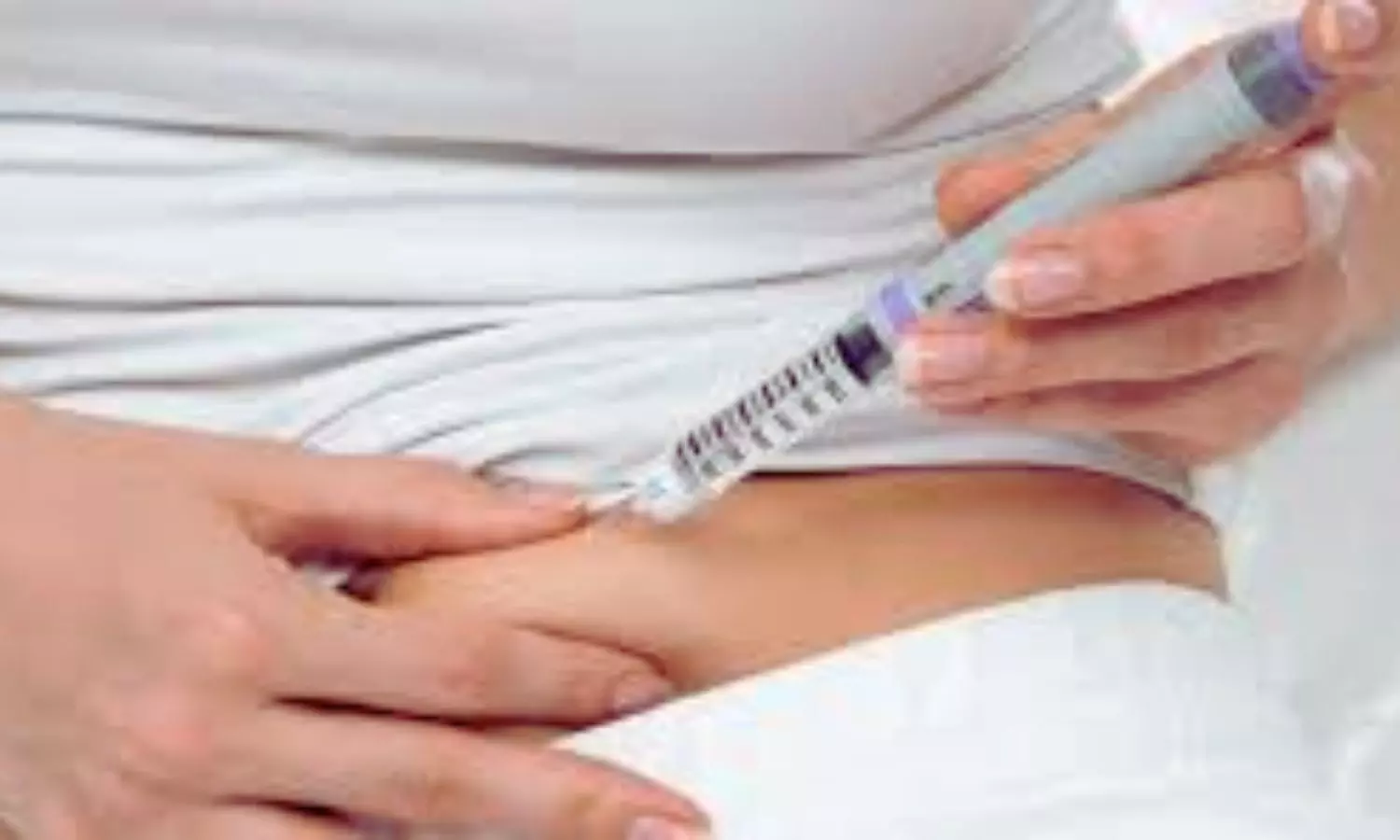
Insulin dependence and poor glycemic control were identified as major contributors to diabetes distress (DD). Addressing these factors is crucial for improving both glycemic management and psychosocial outcomes in this population. The study was published in the journal of Clinical Transplantation by Ishola FA and colleagues.
In order to identify predictors of burnout syndrome among members of this unique population of surgeons, a research team comprised of clinicians performed an analysis of registry data that had been collected over several years. The researchers examined 124 patients involved in the LIFT cohort – the Long-Term Islet Function and Impact after TPIAT – focusing specifically on subjects who had undergone their surgery 5 to 20 years ago. The research team collected comprehensive metrics on conventional insulin doses, clinical evidence of graft function based on measurements of C-peptide, CGM outcomes, and a history of acute metabolic complications.
Diabetes distress measures were measured via psychometric tools and compared through independent t-tests. Next, the research team performed multivariable linear regression analyses with robust adjustment for key demographic factors.
Key findings:
- The selected population for analysis includes 73% female subjects with a median age of 47 years old.
- This population has a steady median HbA1c rate of 6.6%, as well as 81% of the patients successfully reaching more than 50% CGM time in range (TIR).
- Functionality of transplanted islets in terms of biological activity with a C-peptide level of 0.6 ng/mL or more has been confirmed in 92% of the studied patients, thus ensuring that 31% of the entire study population becomes completely independent from external insulin use.
- The group of people who remain or become insulin-dependent demonstrates statistically significant higher diabetes distress scores, as their mean is 1.78 ± 0.70, which is substantially higher compared to the insulin-independent group with 1.52 ± 0.64 as an average value (p = 0.043).
- Insulin-dependent patients who spend less than 50% of their daily period in a safe range (TIR < 50%) have a high mean diabetes distress score, being 2.10 ± 0.76 as opposed to the steady score of 1.57 ± 0.70 among people with TIR > 70% (p = 0.021).
Insulin dependency and lack of glycemic regulation play a vital role in DD. It is crucial to solve this issue in order to have positive results both for the glycemic and psychological state of the patients. The long-term effects of the LIFT study show clearly that traditional transplant treatment ignores an important aspect of care for people with DD – their islet cell survival should not be considered if the patient suffers emotionally.
Reference:
Ishola, Faidat Adeola, et al. "Poor Glycemic Status Is Associated With Diabetes Distress After Total Pancreatectomy With Islet Autotransplantation." Clinical Transplantation, vol. 40, no. 5, 2026, pp. e70573.

Dr Kartikeya Kohli, Senior Consultant in Internal Medicine and specialist in Diabetes,Obesity and kidney diseases has done his DNB (Medicine), MRCP (UK). He has also obtained ECFMG Certification from USA in 2011. Also he has done his super-specialist training in Nephrology at IP Apollo Hospital. Dr Kohli is currently practicing as Consultant Internal Medicine at Sitaram Bhartia Institute of Science and Research and Apollo Clinic in East of Kailash. In the past, he has worked with several renowned hospitals in Delhi, including Apollo Hospital, Sir Ganga Ram Hospital & Fortis Vasant kunj. His additional academic qualifications include a PG Diploma in Clinical Endocrinology & Diabetes, Advanced Diabetes Care & Comorbidities, and Advanced Cardiology & ECG from the Royal College of Physicians. Dr Kohli has made significant contributions to medical academics and professional education. He has independently organised more than 100 Continuing Medical Education (CME) programmes and authored over 200 medical articles for various medical bulletins and healthcare portals, including Medical Dialogues.
Dr Kamal Kant Kohli-MBBS, DTCD- a chest specialist with more than 30 years of practice and a flair for writing clinical articles, Dr Kamal Kant Kohli joined Medical Dialogues as a Chief Editor of Medical News. Besides writing articles, as an editor, he proofreads and verifies all the medical content published on Medical Dialogues including those coming from journals, studies,medical conferences,guidelines etc. Email: drkohli@medicaldialogues.in. Contact no. 011-43720751

