
- Home
- Medical news & Guidelines
- Anesthesiology
- Cardiology and CTVS
- Critical Care
- Dentistry
- Dermatology
- Diabetes and Endocrinology
- ENT
- Gastroenterology
- Medicine
- Nephrology
- Neurology
- Obstretics-Gynaecology
- Oncology
- Ophthalmology
- Orthopaedics
- Pediatrics-Neonatology
- Psychiatry
- Pulmonology
- Radiology
- Surgery
- Urology
- Laboratory Medicine
- Diet
- Nursing
- Paramedical
- Physiotherapy
- Health news
- Fact Check
- Bone Health Fact Check
- Brain Health Fact Check
- Cancer Related Fact Check
- Child Care Fact Check
- Dental and oral health fact check
- Diabetes and metabolic health fact check
- Diet and Nutrition Fact Check
- Eye and ENT Care Fact Check
- Fitness fact check
- Gut health fact check
- Heart health fact check
- Kidney health fact check
- Medical education fact check
- Men's health fact check
- Respiratory fact check
- Skin and hair care fact check
- Vaccine and Immunization fact check
- Women's health fact check
- AYUSH
- State News
- Andaman and Nicobar Islands
- Andhra Pradesh
- Arunachal Pradesh
- Assam
- Bihar
- Chandigarh
- Chattisgarh
- Dadra and Nagar Haveli
- Daman and Diu
- Delhi
- Goa
- Gujarat
- Haryana
- Himachal Pradesh
- Jammu & Kashmir
- Jharkhand
- Karnataka
- Kerala
- Ladakh
- Lakshadweep
- Madhya Pradesh
- Maharashtra
- Manipur
- Meghalaya
- Mizoram
- Nagaland
- Odisha
- Puducherry
- Punjab
- Rajasthan
- Sikkim
- Tamil Nadu
- Telangana
- Tripura
- Uttar Pradesh
- Uttrakhand
- West Bengal
- Medical Education
- Industry
Novel biweekly GLP-1 RA bofanglutide shows strong blood sugar reduction in clinical trial
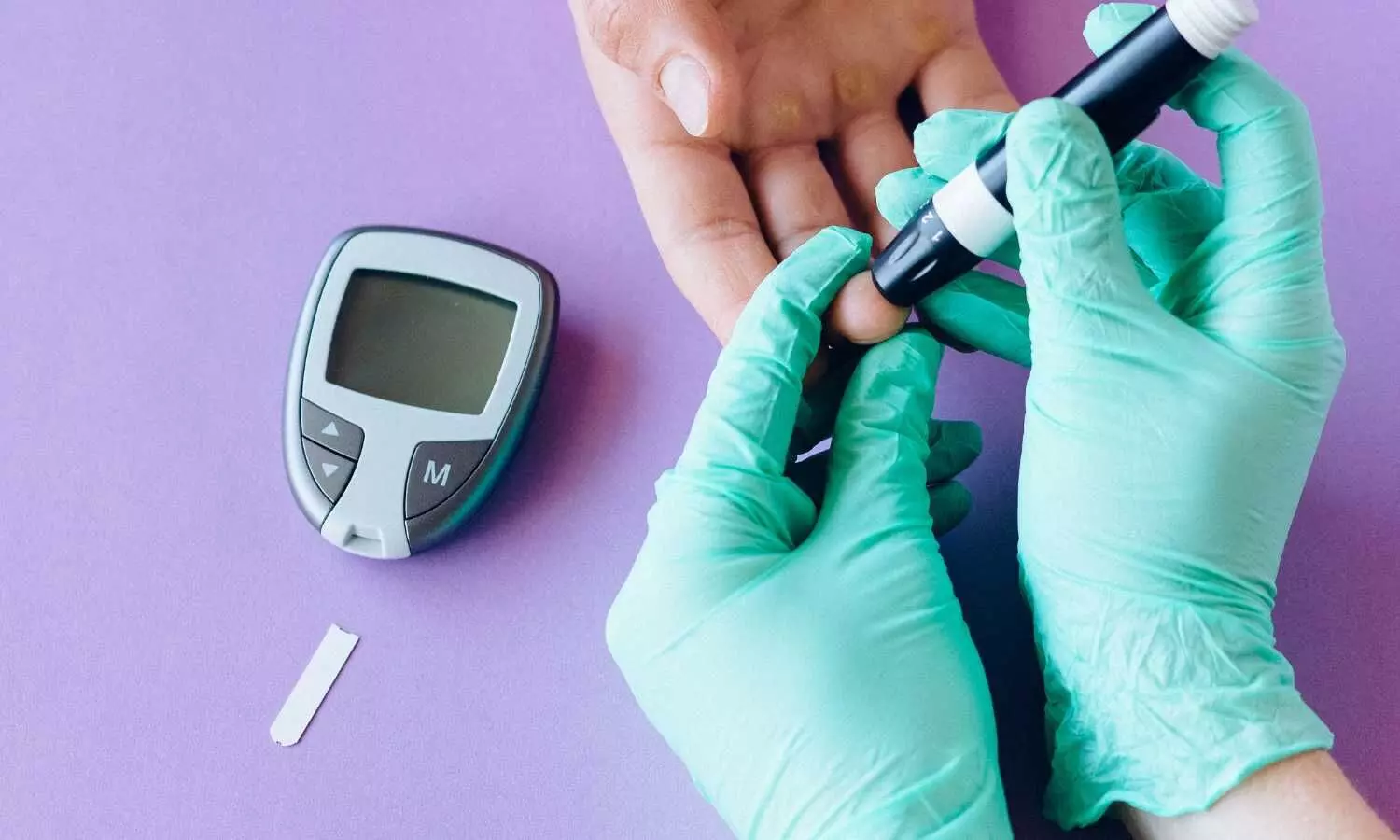
A phase 2b randomized clinical trial evaluated the efficacy and safety of bofanglutide, a novel glucagon-like peptide-1 receptor agonist for type 2 diabetes, compared to semaglutide. The results showed treatment with bofanglutide led to meaningful reductions in hemoglobin A1c (HbA1c). While gastrointestinal side effects were more common with bofanglutide, they were generally mild to moderate. Bofanglutide does not currently have US FDA approval. The study is published in Annals of Internal Medicine.
Researchers funded by Gan & Lee Pharmaceuticals randomly assigned 272 adults with type 2 diabetes across 37 sites in China to receive bofanglutide titrated to targets of 12, 18, or 24 mg biweekly (once every 2 weeks), bofanglutide titrated to 24 mg once-weekly, or semaglutide titrated to 1 mg once-weekly. The primary endpoint was change in HbA1c level from baseline to week 24.
After 24 weeks, all bofanglutide dosage groups saw meaningful reductions in blood sugar, weight loss, and improvements in various cardiometabolic risk factors, and in some cases the reductions were slightly greater than those seen with semaglutide. Gastrointestinal symptoms were more frequent with bofanglutide but were mostly mild. The findings suggest bofanglutide may be an effective option for lowering blood sugar, and the 12 mg and 18 mg biweekly target doses will receive further evaluation in ongoing phase 3 confirmatory trials.
Reference:
Ming Liu, Zhifeng Cheng, Li Lu, et al. Weekly and Biweekly Treatment With Bofanglutide Versus Semaglutide in Chinese Patients With Type 2 Diabetes: A Phase 2b Randomized Clinical Trial. Ann Intern Med. [Epub 30 June 2026]. doi:10.7326/ANNALS-25-04623
Dr Kartikeya Kohli, Senior Consultant in Internal Medicine and specialist in Diabetes,Obesity and kidney diseases has done his DNB (Medicine), MRCP (UK). He has also obtained ECFMG Certification from USA in 2011. Also he has done his super-specialist training in Nephrology at IP Apollo Hospital. Dr Kohli is currently practicing as Consultant Internal Medicine at Sitaram Bhartia Institute of Science and Research and Apollo Clinic in East of Kailash. In the past, he has worked with several renowned hospitals in Delhi, including Apollo Hospital, Sir Ganga Ram Hospital & Fortis Vasant kunj. His additional academic qualifications include a PG Diploma in Clinical Endocrinology & Diabetes, Advanced Diabetes Care & Comorbidities, and Advanced Cardiology & ECG from the Royal College of Physicians. Dr Kohli has made significant contributions to medical academics and professional education. He has independently organised more than 100 Continuing Medical Education (CME) programmes and authored over 200 medical articles for various medical bulletins and healthcare portals, including Medical Dialogues.

