Remedial action in first 2 years of diagnosis of prediabetes can Prevent Type 2 Diabetes, Indian Study Finds
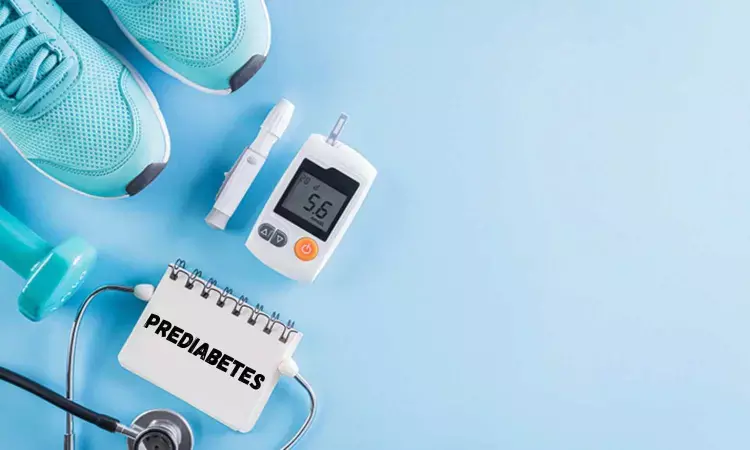


A new study published in the Journal of Diabetes and Metabolic Disorders showed that if patients take remedial actions within the first 2 years of being diagnosed with prediabetes, they can greatly minimize the chance of advancing to type 2 diabetes.
The transition from prediabetes to diabetes has become a serious public health issue in many of India's fast expanding metropolitan areas. Prediabetes is an intermediate stage where blood glucose levels are increased but not yet high enough for a diabetes diagnosis. This phase is critical since people frequently do not exhibit any symptoms, which permits the illness to develop covertly.
Urban lifestyles (decreasing physical activity, high-calorie meals, growing obesity rates, and increased stress) create an environment that promotes this shift. The issue is further exacerbated by delayed health-seeking behavior, low knowledge, and socioeconomic circumstances. Opportunities for early intervention, targeted screening, and community-based preventative measures can be found by understanding how patients transition from prediabetic to diabetic conditions.
Studying this shift in an Indian urban environment is especially essential because of the country’s high genetic vulnerability to metabolic illnesses and the rising burden of lifestyle diseases. Policies and initiatives targeted at reducing the course of diabetes and enhancing long-term health outcomes can be guided by the findings of such studies. In a cohort of normoglycemic people, this study calculates the transition probabilities and length of stay in the prediabetic condition prior to progression to type 2 diabetes.
Data from 1,670 diabetes-free patients aged 30 years and above were collected from a government hospital’s computerized medical records over a 10-year period. Incidence rates of type II diabetes were computed separately for persons with baseline normoglycemia and prediabetes. The transition probabilities between prediabetes, normoglycemia, and diabetes over time were estimated using a multistate model.
The general prevalence of type II diabetes was 20.94 per 1,000 person-years, with higher rates among those with baseline prediabetes (41.74 vs. 15.89 per 1,000 PYs in normoglycemic individuals). The likelihood of going from prediabetes to diabetes was around 30%, whereas the likelihood of going from normoglycemia to prediabetes was approximately 25%.
Within the first two to three years, the percentage of those who reverted from prediabetes to normoglycemia peaked at around 60% and then decreased. Males had a greater risk of developing to diabetes, but females showed higher prediabetic reversal. Overall, to stop the development of diabetes and its consequences, the study emphasizes the vital significance of early identification and prompt intervention during the prediabetic period.
Source:
Sharma, P., Dilip, T. R., Sharma, V., & Kulkarni, A. (2025). Transition between prediabetic and diabetic stages in an urban community in india: a decade-long retrospective cohort study. Journal of Diabetes and Metabolic Disorders, 24(2), 270. https://doi.org/10.1007/s40200-025-01790-7