
Rising Use of GLP-1 Receptor Agonists in Youth With Type 2 Diabetes: Study
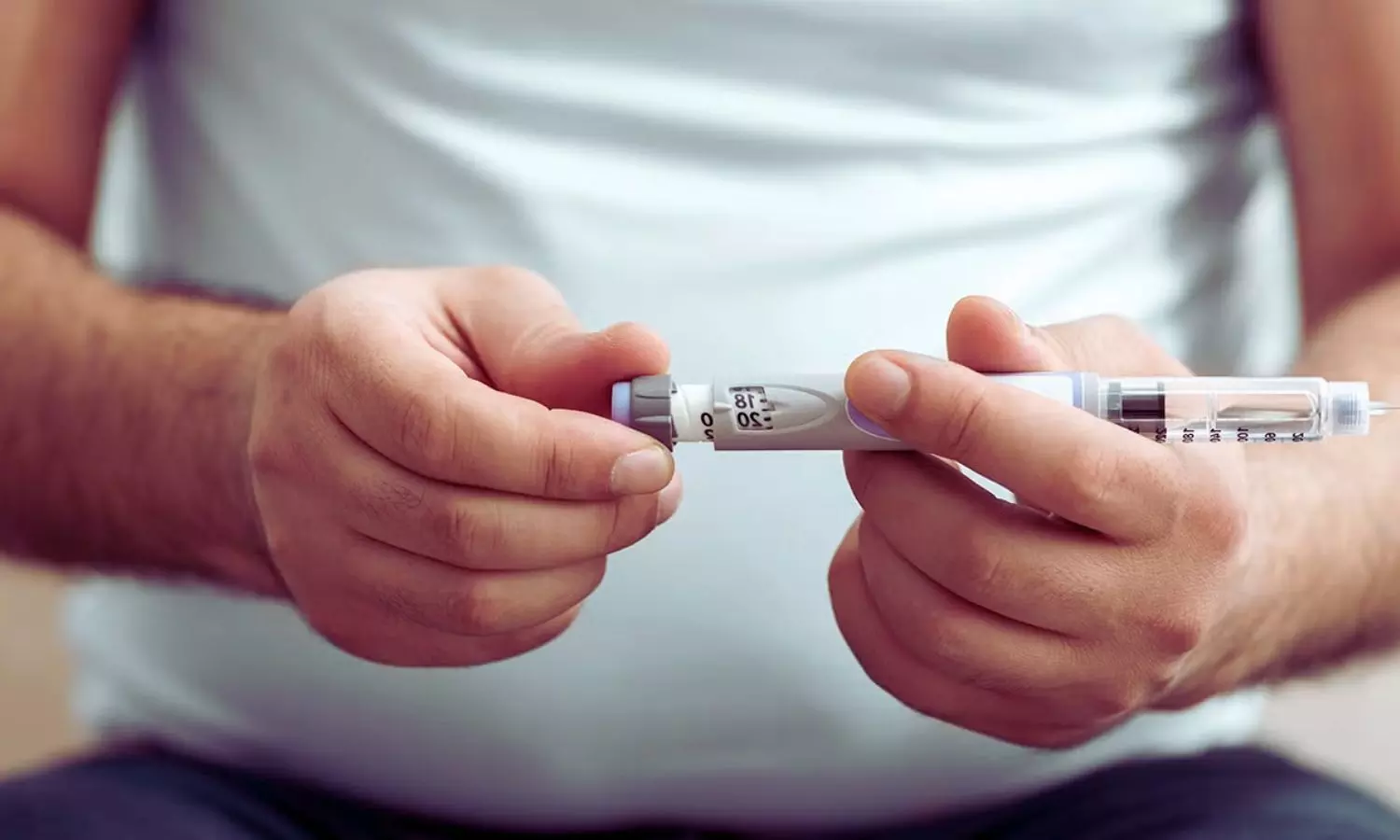


A study published in Pediatrics journal revealed that the use of GLP-1 receptor agonists (GLP-1 RAs) in youth aged 10-17 years with type 2 diabetes increased from 10.9% in 2020 to 35.6% in 2023. Despite updated guidelines favoring non-insulin therapies, GLP-1 RAs were still used less frequently than insulin.
The study also identified insurance-related disparities like commercially insured youth were more likely to receive off-label semaglutide and medicaid-insured youth were more likely to receive daily injectable medications.
The study examined trends in GLP-1RA dispensing among youth aged 10 to 17 diagnosed with type 2 diabetes from 2020 to 2023. This research used claims and encounter data from the Merative MarketScan Multi-State Medicaid and Commercial Database, which includes millions of records from both Medicaid and private insurance plans.
The proportion of youth with type 2 diabetes receiving a GLP-1RA prescription increased sharply during the study period. In 2020, only 10.9% of youth with the condition were dispensed one of these medications. By 2023, that number had climbed to 35.6%, which represented more than a 3-fold increase. Statistical analysis confirmed a strong upward trend over the 4-year period.
Despite this growth, GLP-1RAs were still prescribed less frequently than insulin therapies. In 2023, nearly half of youth with type 2 diabetes received long-acting insulin (49.5%), while 43.4% received short-acting insulin. These findings suggest that insulin remains the most common pharmacologic treatment in this population, even as newer therapies gain traction.
Also, this study investigated whether insurance coverage affected the incidence of receiving GLP-1RA medications. The use of the drug class in 2023 was similar among youth covered by Medicaid and those with commercial insurance. However, the specific medications prescribed varied notably between the two groups.
Youth insured through Medicaid were significantly less likely to receive semaglutide when compared to those with commercial insurance. Instead, Medicaid-insured patients were more likely to receive other GLP-1RA medications like dulaglutide, exenatide, or liraglutide. Medicaid-insured youth were roughly 70% less likely to be prescribed semaglutide but significantly more likely to receive several other drugs in the same class.
The reasons behind these differences were not examined in the study, but they may relate to insurance formularies, cost considerations, or prescribing practices. Overall, the findings emphasize the need for comparative effectiveness research to determine which medications work best for young patients, as the use of GLP-1RAs grows.
Source:
Chu, P. Y., Kelly, A., Hennessy, S., Vajravelu, M. E., Huang, J., & Amaral, S. (2026). GLP-1RA dispensing in youth with type 2 diabetes: 2020 to 2023. Pediatrics, e2025071971. https://doi.org/10.1542/peds.2025-071971

