Severe, Rapidly Progressive New-Onset Diabetes May Signal Pancreatic Cancer, suggests study
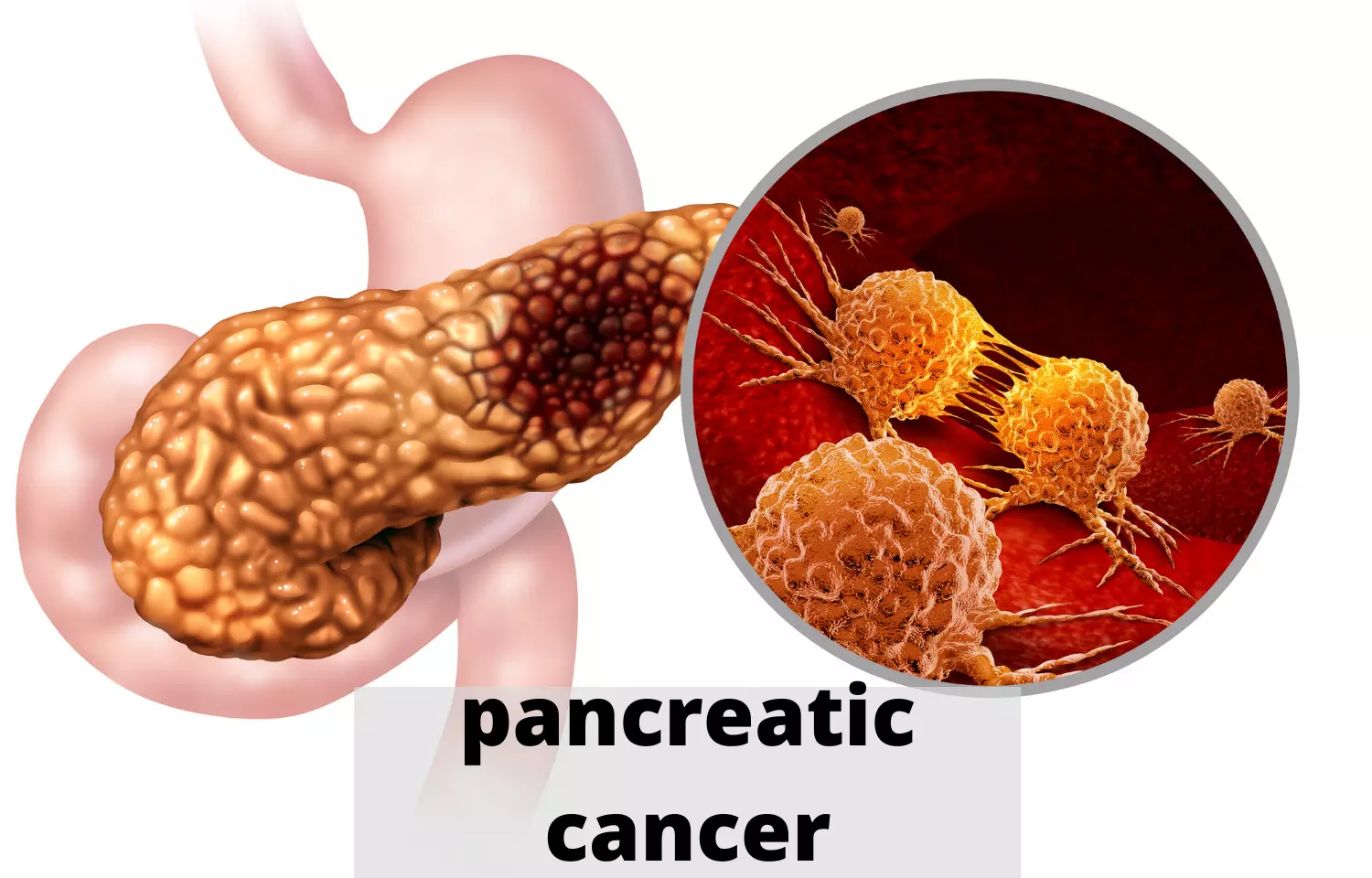


Analysis of Korean national insurance data found that greater initial severity and rapid early progression of new-onset diabetes were associated with an increased risk of pancreatic cancer. These findings suggest that sudden, severe, or rapidly worsening diabetes may serve as an early warning sign, warranting careful evaluation for underlying pancreatic malignancy in appropriate patients.
The study was published in the journal Gut by Minyoung L. and colleagues. For assessing the relationship between baseline therapeutic intensities and post-diagnosis disease progression on oncologic risk, the study group included 402,663 people with or without NOD in a nationwide cohort derived from the Korean National Health Insurance Service database from 2005 to 2019. The baseline intensity of NOD was classified according to the prescription intensity at the initial time into three categories as no antidiabetic treatment, oral antidiabetics, and insulin treatment.
A careful analysis was done regarding the escalation pattern of medications in a crucial 6-month period after the diagnosis of diabetes to assess rapid versus stable or reduction in the regimen. Adjusted hazard ratios for developing pancreatic cancer using multivariable Cox proportional hazard models with adjustment for age, gender, and comorbidities up to 15 years were calculated.
Key findings:
- This research observed 402,663 patients regarding diabetes status over 15 years from 2005 to 2019.
- The resultant analysis suggests that the risk of pancreatic cancer has increased progressively among different treatment levels compared with individuals who do not have diabetes.
- The results were as follows: no antidiabetic treatment (aHR 3.01), treatment with oral hypoglycemics (aHR 4.32), treatment with insulin (aHR 5.60).
- Within every treatment level, individuals who had to switch treatment within six months had a higher risk than stable individuals.
- Moreover, drug-naïve people who began taking antidiabetic therapy had a significantly higher risk than the elderly who continued their treatment without any changes.
- In terms of cancer incidence, the most significant effect is seen among people diagnosed in three years from the moment NOD was detected.
In summary, higher initial severity of NOD and early acceleration of its aggravation were both linked to higher risks for development of pancreatic cancer. The incorporation of dynamic monitoring of increase in anti-diabetic therapy in EHRs can serve as an effective approach for diagnosing pancreatic tumors at their early stages when surgical removal is still possible. Physicians who treat NOD must always have an elevated level of clinical suspicion and order abdominal imaging in case of rapid necessity of anti-diabetic therapy.
Reference:
Lee M, Yu MH, Chae W, et al. Impact of initial severity and progression pattern of new-onset diabetes on pancreatic cancer risk: a 15-year longitudinal nationwide cohort study. Gut Published Online First: 24 July 2026. doi: 10.1136/gutjnl-2025-335863