
Cochlear-Sparing IMRT Significantly Reduces Hearing Loss in Cancer Patients, Suggests Study
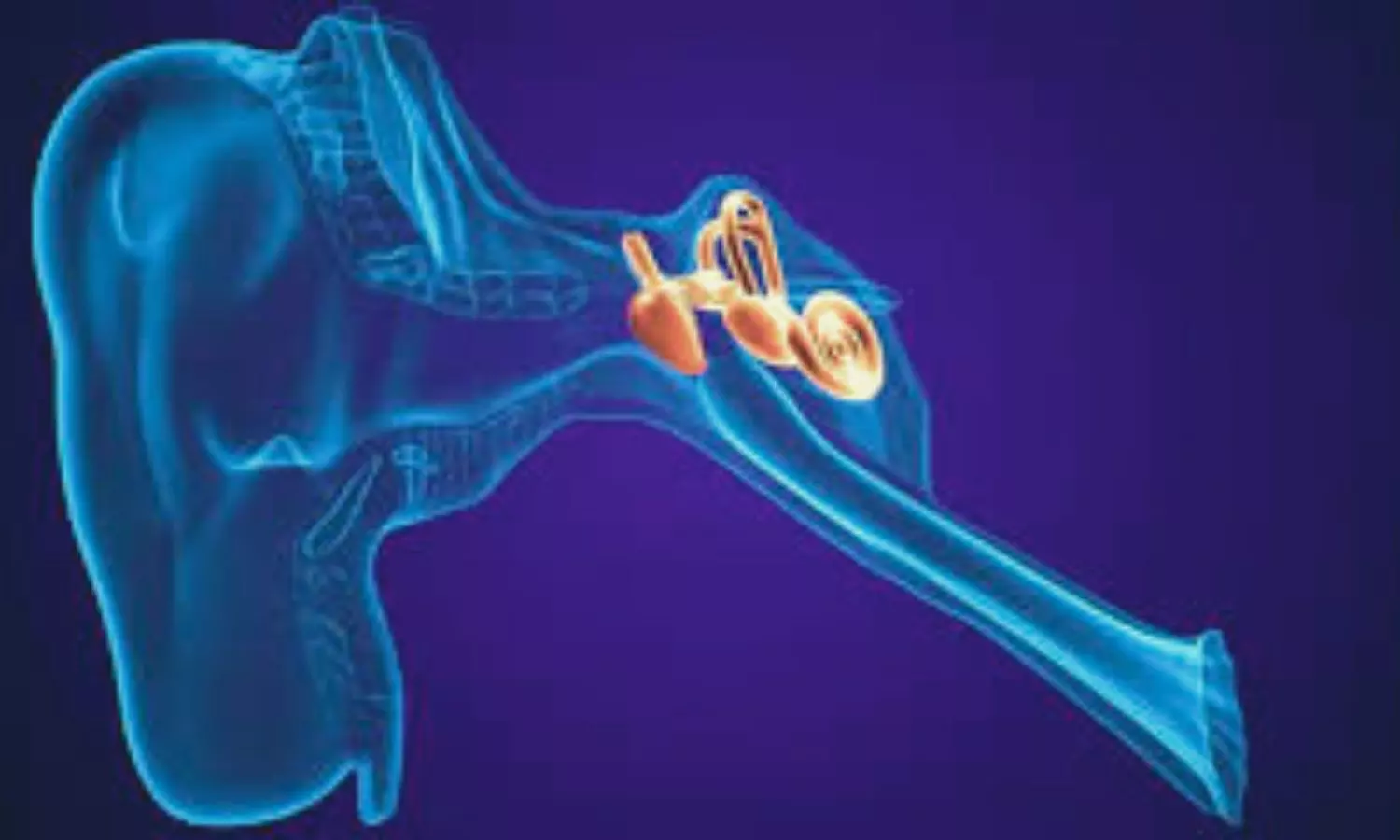


A recent prospective study published in the Indian Journal of Otology in May 2026 demonstrates that restricting cochlear radiation to under 10 Gy during intensity-modulated radiotherapy (IMRT) successfully rescues head-and-neck cancer patients from irreversible sensorineural hearing loss. This vital dose restriction clinically slashes severe hearing impairment rates from historical highs of 75% down to just 22.72%.
Recognizing that conventional radiation therapies and concurrent cisplatin regimens frequently lead to debilitating ototoxicity that diminishes long-term patient outcomes, Dr. Harshavardhan N. Reddy and colleagues from Ramaiah Medical College and Tagore Medical College aimed to address this critical clinical gap by evaluating the cochlear-sparing efficacy of modern IMRT using pure-tone audiometry (PTA) thresholds and directly comparing these outcomes to historical conventional treatments within their institution.
Therefore, the six-month prospective study tracked 44 head-and-neck oncology patients using baseline and post-treatment audiometry. Patients with prior radiation, pre-existing middle ear pathologies, or exposure to other ototoxic medications were excluded from the trial.
Key Clinical Findings of the Study Includes:
Reduced Severe Hearing Loss: Researchers observed that the implementation of precision inverse-planned IMRT successfully lowered the overall incidence of severe SNHL to 22.72%, representing a marked clinical improvement over the 40.9% to 75% auditory damage rates documented in earlier conventional radiation cohorts.
Chemoradiation Impact: Analysis demonstrated a highly significant escalation in progressive high-frequency hearing deterioration for the 70.5% of patients receiving concurrent cisplatin chemoradiation compared to those undergoing radiation alone, with profound threshold changes manifesting primarily at the three- and six-month post-treatment intervals.
High-Frequency Vulnerability: Investigators noted that PTA thresholds worsened most aggressively across the higher auditory frequencies of 2000, 4000, and 8000 Hz, confirming that the basal turn of the cochlea remains uniquely susceptible to the combined cytotoxic effects of ionizing radiation and platinum-based chemotherapy.
Mean Cochlear Dosimetry: Measurements revealed that the cohort maintained a safe mean cochlear exposure of 16.47 Gy, with exactly half of the assessed patients receiving optimally restricted doses below 10 Gy, emphasizing the superior organ-at-risk contouring capabilities inherent to modern planning software.
The results suggest that mandating the inner ear as a highly sensitive, critical organ at risk during the treatment planning phase is paramount, as restraining the total cochlear dose strictly below 10 Gy significantly mitigates the subsequent 22.72% incidence of permanent sensory damage.
Thus, the study concludes that practicing clinicians may find it highly beneficial to integrate these restrictive dose constraints into their standard radiotherapy protocols while cautiously considering the adjunctive administration of neuroprotective antioxidants like Vitamin E or systemic corticosteroids to further shield the delicate auditory structures during concurrent systemic therapy.
The relatively constrained six-month follow-up duration, modest patient sample size, and the absence of an isolated control group represent the primary limitations of this data, underscoring a gentle need for future, large-scale randomized trials to definitively evaluate the longitudinal benefits of contemporaneous pharmacological hearing-preservation strategies alongside advanced radiation delivery.
Reference
Reddy HN, Shanmugananthan SL, Chandrakiran C, Patil SB. A study of cochlear sparing in intensity-modulated radiotherapy in head-and-neck cancer patients. Indian J Otol 2026;32:130-5.
