
Hearing loss contributes to cognitive decline after childhood cancer treatment: Study
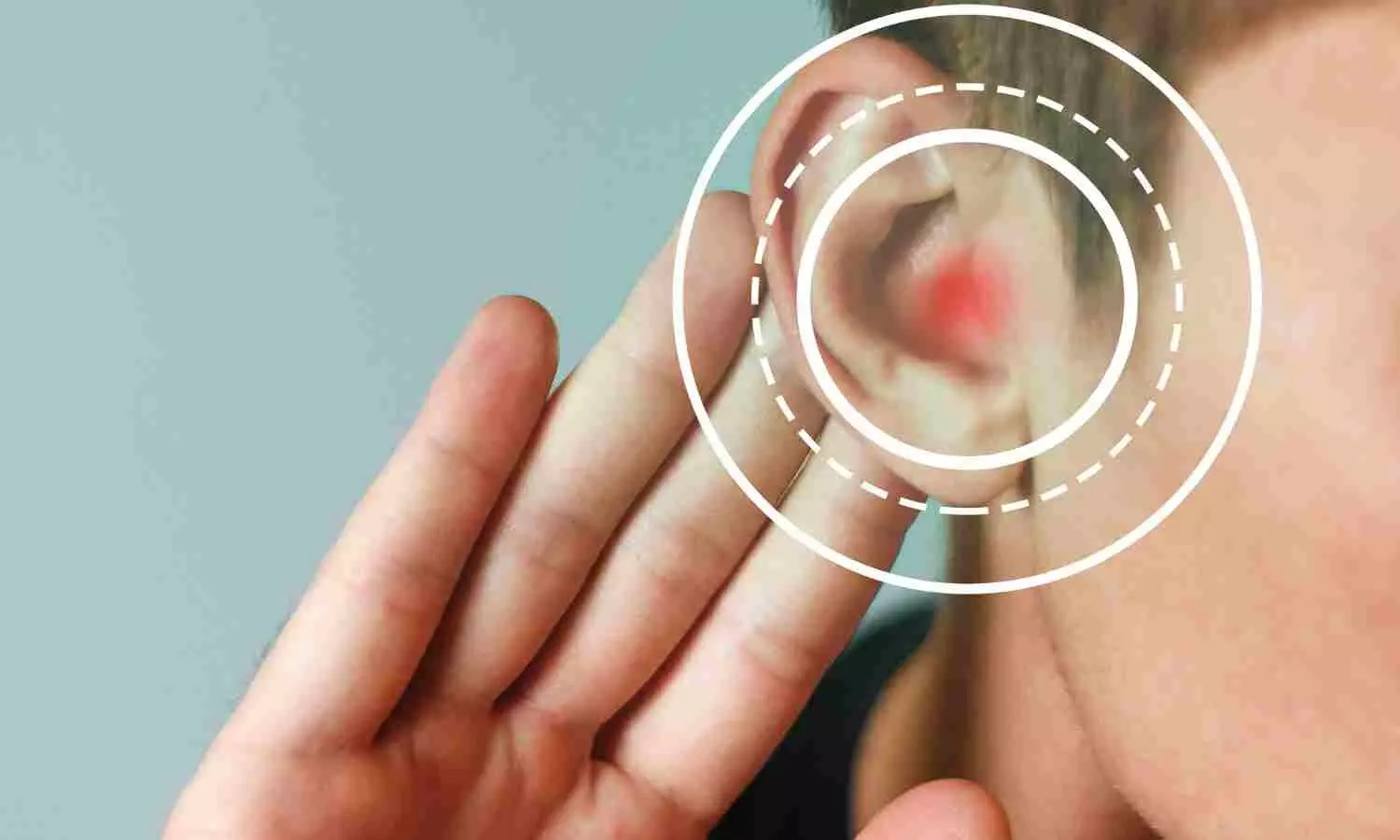


A study led by St. Jude Children's Research Hospital assessed cognitive and communication abilities in children treated for the brain tumor ependymoma to understand the impact of treatment better. They found that radiation was a significant contributor to hearing loss, a risk directly linked to cognitive health. Children who developed severe hearing loss experienced a greater decline on cognitive measures compared to children who did not. The study, published in Neuro-Oncology, highlights the importance of more tailored cancer-directed therapies that limit side effects and adherence to supportive interventions, such as hearing aids.
The study included 145 children who were treated using radiation therapy for ependymoma, a type of childhood brain tumor. Among them, 34% were diagnosed with severe hearing loss in either ear. Led by Heather Conklin, PhD, St. Jude Department of Psychology & Biobehavioral Sciences, the study found that hearing loss was associated with worse intellectual ability and communication skills, as well as a greater decline over time in intellectual ability. Verbal learning and memory remained stable.
“Hearing loss–associated cognitive decline is usually linked to combination therapies or having received chemotherapy and radiation therapy,” Conklin said, “but we saw a high rate of hearing loss and greater cognitive decline, even in a group that only received radiation.
“Hearing-loss rates are much higher in ependymoma than in some other brain tumors because these patients are younger when diagnosed, and treatment is more likely to include the cochlea due to tumor location,” Conklin added.
The researchers noted that severe hearing loss was also associated with hydrocephalus (abnormal accumulation of cerebrospinal fluid in the brain), multiple surgeries, chemotherapy before radiation therapy and young age. They found no associations for sex, race or socio-economic status.
Interventions help mitigate hearing and cognitive deficits
Children experiencing hearing loss during key developmental periods can miss out on social interactions and language development — but there are options to help. “There are ways to protect hearing,” Conklin said. “Certain medications can protect cochlear hair cells during chemotherapy, and radiation delivery has also improved, such as shifting from photon to proton therapy, which allows more precision and can spare the cochlea.”
Interventions including hearing aids, cochlear implants and targeted academic supports have also helped patients following treatment. However, discomfort, stigma and the complexity of managing devices mean increasing adherence with these interventions is an ongoing goal for Conklin. However, in this regard, knowledge is power.
“Surveyed parents said they would prioritize hearing aid use more if they believed it positively affected brain development, which motivates our work,” Conklin said. “Knowing these risks can help us with education and improving adherence.”
Reference:
Jeanelle S Ali, Johnnie K Bass, Fang Wang, Xiaomeng Yuan, Haitao Pan, Jason M Ashford, Niki Jurbergs, Nicole Salman, Thomas E Merchant, Heather M Conklin, The Impact of Hearing Loss on Cognitive Outcomes among Children Treated with Radiation Therapy for Ependymoma, Neuro-Oncology, 2026;, noag029, https://doi.org/10.1093/neuonc/noag029
