Nasolabial Flaps Show High Efficacy in Lip Reconstruction, Suggests Study
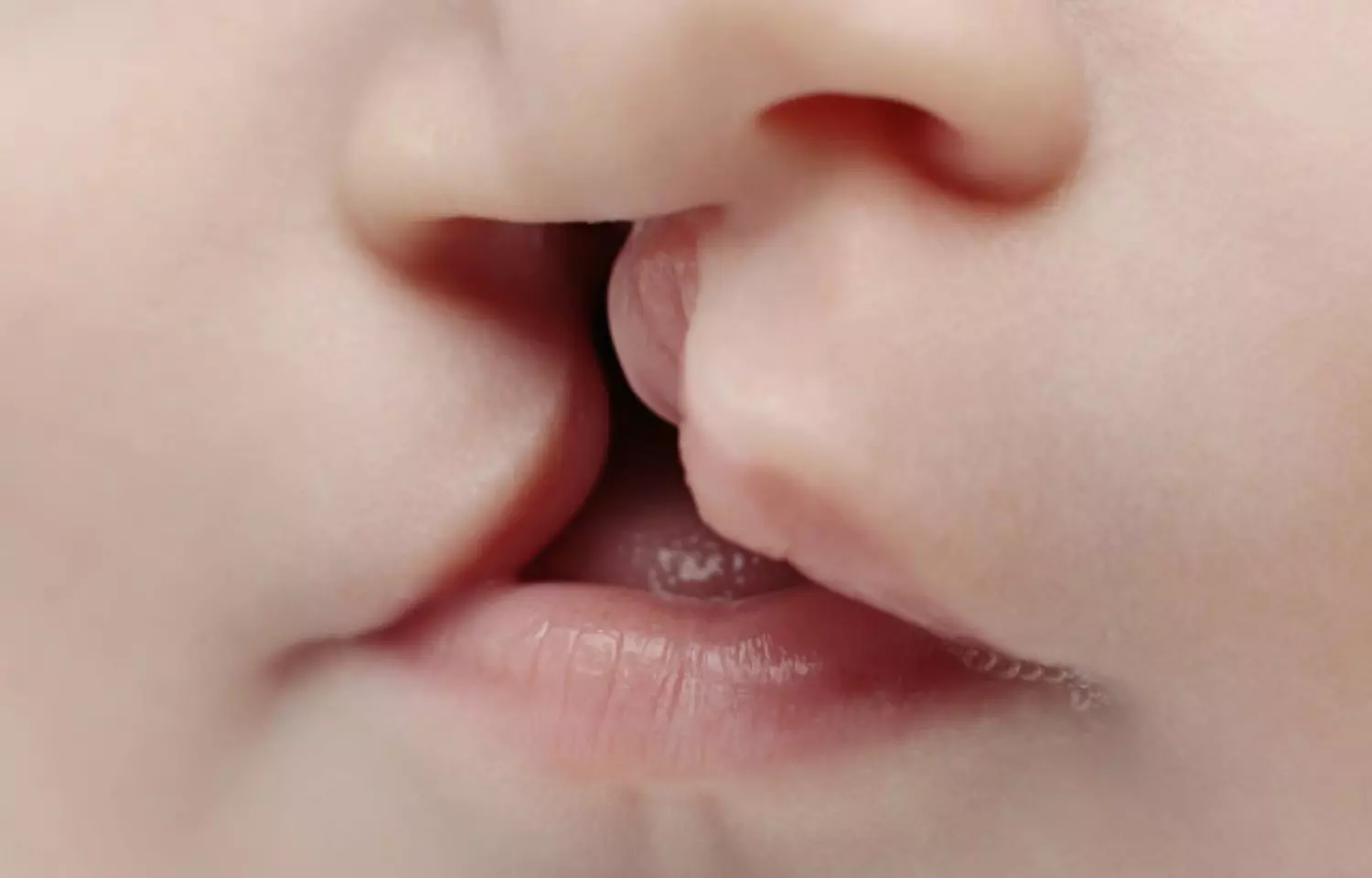


A recent case series published in the Indian Journal of Otolaryngology and Head & Neck Surgery in July 2026 highlights nasolabial flaps as a highly reliable and versatile surgical solution for post-resection lip defects. This approach delivers exceptional functional and aesthetic outcomes with an impressively low overall complication rate of just 15.1%.
While surgical resection remains the standard of care for lip malignancies-which account for up to 30% of oral cancers-traditional reconstruction methods for significant tissue loss often lead to microstomia and oral incompetence, prompting researchers Dr. Fábio Muradás Girardi and colleagues from the Universidade Federal do Rio Grande do Sul and the Mayo Clinic to explore the often-overlooked nasolabial flap to present its advantages, potential complications, and surgical nuances across various lip topographies.
Therefore, to evaluate the versatile reconstructive approach, the investigators conducted a retrospective case series analyzing 66 patients at a public-private Brazilian head and neck center between 2011 and 2024, assessing demographic variables and surgical outcomes while excluding individuals with tumors extending beyond the immediate upper or lower lip.
Key Clinical Findings of the Study Includes:
• Defect Demographics: Investigators noted that reconstructions were predominantly performed on the upper lip (45 cases) and lower lip (20 cases), with lower lip resections being significantly larger in mean diameter (48.5 mm) compared to upper lip defects (23.8 mm).
• Flap Viability: The research highlighted a robust success rate, with only ten postoperative complications reported overall, comprising five partial flap losses and a single total loss.
• Tobacco Risk: Clinicians observed that a history of smoking exposure was significantly associated with flap necrosis (p = 0.031), serving as a crucial risk factor for partial or total flap failure.
• Pedicle Preparation: The study demonstrated that utilizing an island flap alongside a deepithelialized pedicle also significantly increased the risk of flap compromise (p = 0.004).
• Tumor Characteristics: Authors found that basal cell carcinoma (BCC) and squamous cell carcinoma (SCC) accounted for 62.1% and 37.8% of the cases, respectively, with complete tumor excision achieved in 92.4% of patients.
The results suggest that the nasolabial flap is an exceptionally reliable, sensate, and functionally restorative option for perioral rehabilitation, successfully reconstructing 66 complex lip defects with an overarching clinical success rate.
Therefore, the study concludes that for healthcare professionals managing lip cancer resections, employing a staged, two-part reconstructive procedure might be a prudent approach when operating on patients who are heavy smokers or when the surgical design necessitates a deepithelialized pedicle.
Although the study offers robust clinical insights, its retrospective design at a single institution serves as a mild limitation, suggesting that ongoing clinical observations could further refine optimal patient selection criteria and staging protocols for this specific reconstructive technique.
Reference
Girardi, F. M., Wysong, A., de Farias Gabriel, A., & Martins, M. D. (2026). Nasolabial Flaps in Lip Reconstruction: Functional and Aesthetic Outcomes in 66 Cases. Indian Journal of Otolaryngology and Head & Neck Surgery.