Artificial Intelligence (AI) in Gastroenterology: A Narrative Review in Cureus
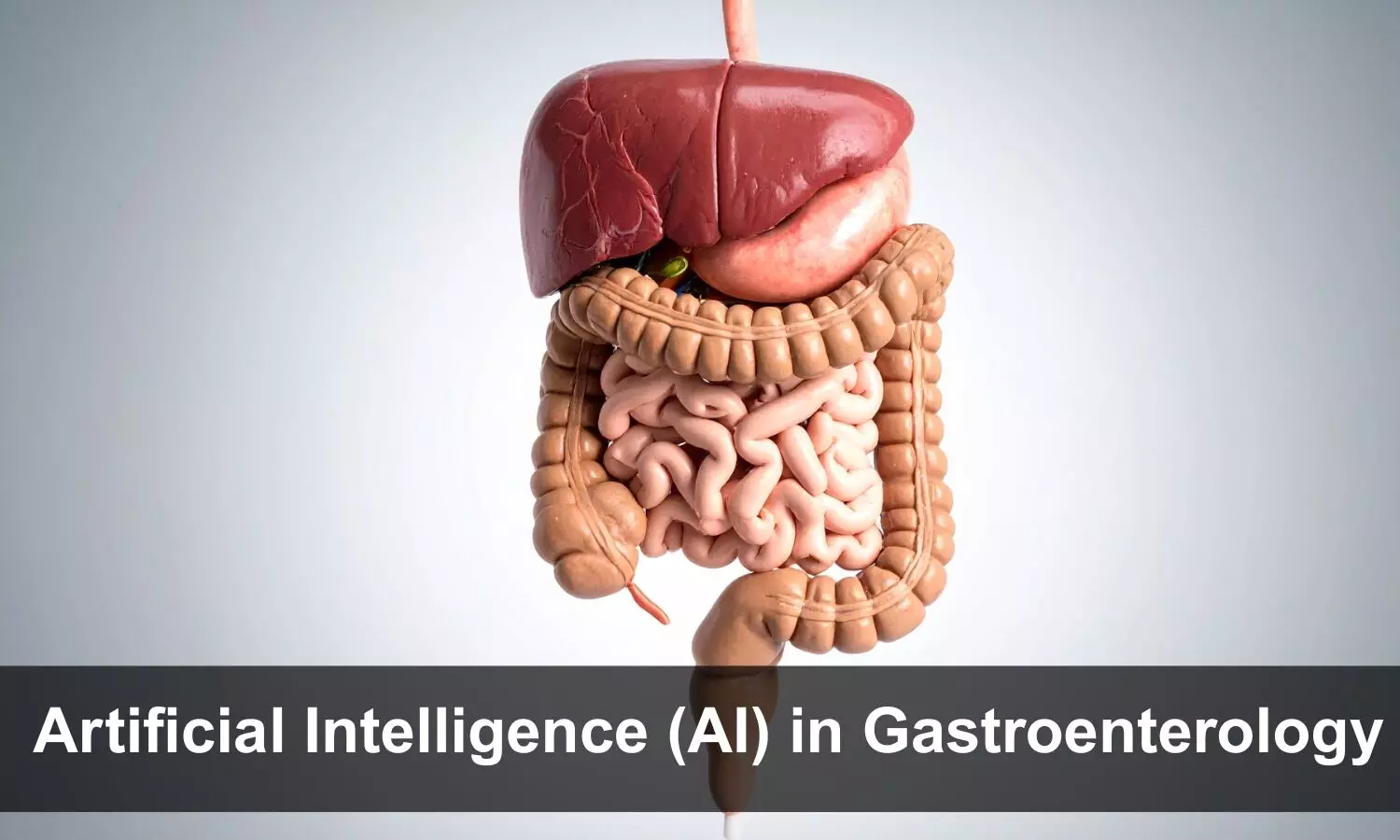


A recent narrative review concluded that artificial intelligence (AI) has a significant impact on gastroenterology, with substantial evidence supporting its diagnostic applications, particularly in colonoscopy and histological grading.
The review highlighted that AI presents solutions for adherence, personalization, and support for patients with irritable bowel syndrome (IBS), gastroesophageal reflux disorder (GERD), inflammatory bowel disease (IBD), functional dyspepsia (FD), and related disorders, as diet plays a crucial role in symptom management of these disorders.
The authors suggested that AI-enhanced nutrition platforms and telehealth coaching can improve adherence and achieve outcomes comparable to in-person management, transforming gastrointestinal treatment into a personalised paradigm that extends beyond hospitals.
This narrative review was published in January 2026 in the Journal Cureus.
Applications of AI in Gastroenterology
Artificial intelligence (AI), which leverages machine learning (ML) and deep learning (DL) to analyse large datasets, identify patterns, and enhance clinical decision-making, is increasingly utilised in gastroenterology. Artificial intelligence (AI) has demonstrated significant benefits in diagnosing gastrointestinal (GI) diseases. The additional applications include
- AI-assisted colonoscopy improves the adenoma detection rate (ADR) and polyp detection rate (PDR) compared with conventional methods.
- AI reduces operator-dependent variability, allowing trainees to achieve ADR levels comparable to those of expert endoscopists.
- AI models assist with histological scoring in ulcerative colitis, reducing subjectivity and expediting clinical trials through automated endpoint assessments.
- AI achieves gastroenterologist-level accuracy in detecting erosions, ulcers, and bleeding during capsule endoscopy, reducing video review times and minimizing missed anomalies.
- AI-driven nutritional treatments use ML algorithms to analyze data and refine dietary recommendations, unlike conventional platforms that use static guidance without personalization.
AI-Driven Approaches to Address Resource Constraints in Gastrointestinal Nutrition Care
Gastroenterologists often lack sufficient time and resources during regular appointments to provide extensive dietary counselling, and many facilities lack trained dietitians or behavioural specialists. AI technologies present innovative solutions to these challenges.
Natural Language Processing (NLP) applications can offer personalised dietary advice, decreasing dependence on online sources. Machine learning helps identify patients at risk, allowing for proactive engagement by care providers. AI-driven chatbots extend support beyond clinic visits by offering cost-effective reminders and immediate assistance. They also support multiple languages and incorporate socioeconomic health factors into their frameworks. With careful deployment- focusing on bias reduction and data privacy- AI can enhance access to lifestyle support and help minimise health inequities.
Future Application of AI in Gastroenterology
Digital Symptom Logging and AI-Augmented Diet Applications: Patient-centred mobile applications with meal logging, symptom tracking, and cultural nutrition databases provide opportunities for AI in gastroenterology by correlating dietary patterns with disease progression.
Integration With Wearables, Microbiome, and Predictive Analytics: The next step is to integrate wearables, biomarkers, and microbiome profiling with AI-driven dietary systems. Glucose monitors, pH sensors, and accelerometers track physiological signals associated with dietary triggers. Machine learning can predict IBD hospitalisations, and expanding these models with diet-symptom data may help predict flare-ups.
FDA-Cleared Digital Therapeutics and Precision Nutrition Ecosystems: AI-driven platforms could be approved as digital therapeutics for conditions such as functional GI disorders, IBD, and gastroparesis. These tools may qualify for reimbursement in routine practice, following precedents in behavioural medicine and diabetes management. AI in daily life through smart nutrition systems can reduce costs by preventing procedures and improving patient care.
Possible Stakeholder Implications
Current AI efforts in gastroenterology focus on diagnostics, including polyp detection, histological grading, and image-based disease classification. Integrating AI into dietary and lifestyle domains meets key needs by delivering personalised care, feedback, and behavioural reinforcement between visits, capabilities lacking in conventional care models. When developed ethically with data protection in mind, AI can transform dietary management for GI disorders by encouraging proactive treatment, increasing patient independence, and reducing unnecessary physician consultations.
Reference: Ajmera K, Patel O, Shah N. Artificial Intelligence in Gastroenterology: Beyond Diagnostics and Toward Lifestyle and Dietary Interventions for Gastrointestinal Disorders. Cureus 18(1): e100976. Published January 07, 2026. DOI 10.7759/cureus.100976