
Atrial Fibrillation Linked to Greater Severity in Acute Pancreatitis: Study
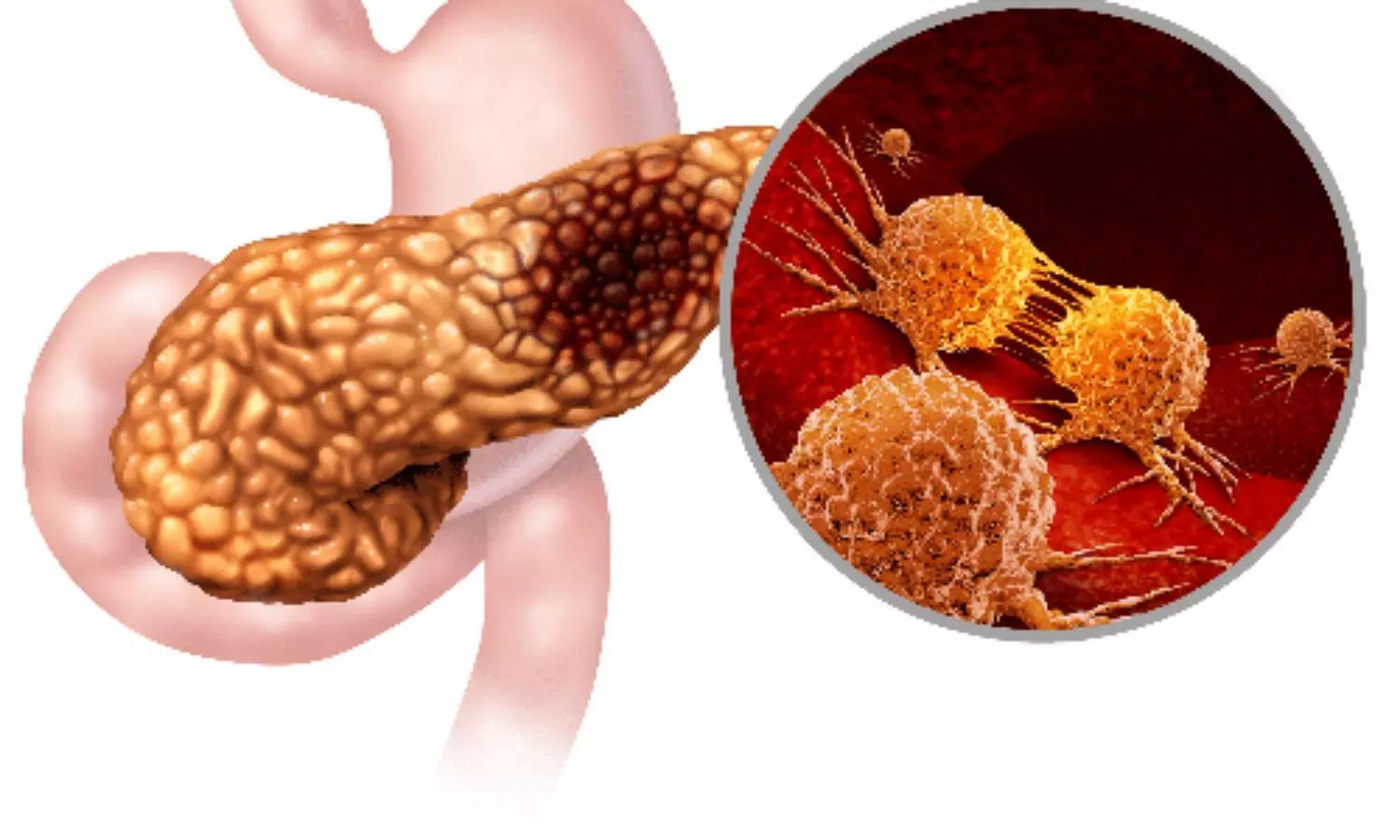


China: Researchers have found in a new study that among patients with acute pancreatitis, a prior history of atrial fibrillation was associated with more severe disease presentation, but it did not increase the risk of in-hospital mortality.
The findings come from a multicenter study published in BMC Gastroenterology by Honglei Ju from the Department of Gastroenterology, Maanshan People’s Hospital of Wannan Medical College, Maanshan, Anhui Province, China, and colleagues. The study adds new insight into the clinical interplay between atrial fibrillation (AF), a common cardiac arrhythmia, and acute pancreatitis (AP), a condition known for its unpredictable course and potentially life-threatening complications.
Acute pancreatitis ranges from mild, self-limiting illness to a severe disease characterized by organ failure and systemic complications. While cardiovascular comorbidities are common in hospitalized patients, evidence linking AF with pancreatitis outcomes has remained limited. To address this gap, the investigators evaluated whether a history of AF influences disease severity and short-term mortality in patients admitted with AP.
The retrospective analysis included 3,537 eligible patients with acute pancreatitis treated across three medical centers. Among them, 122 patients, accounting for 3.45% of the cohort, had a documented history of atrial fibrillation. Patients were divided into two groups: AF and non-AF. Outcomes were analyzed using multivariable logistic regression models to adjust for potential confounders.
The analysis revealed the following findings:
- AKI occurred in 8.3% of patients following TIPS placement.
- Diabetes was a significant independent predictor, with affected patients having more than a threefold higher risk of developing AKI.
- Pre-existing kidney dysfunction markedly increased risk, as patients with a baseline eGFR below 60 ml/min/1.73 m² showed over a fourfold rise in AKI incidence.
- Lower serum albumin levels were associated with a greater likelihood of AKI, indicating the role of poor nutritional status and reduced effective circulatory volume.
- A higher postoperative portal venous pressure gradient independently increased the risk of AKI, suggesting inadequate portal decompression may impair renal perfusion.
- Intraoperative hypotension was strongly linked to AKI, highlighting the importance of maintaining hemodynamic stability during TIPS procedures.
To ensure the reliability of their observations, the researchers conducted multiple sensitivity analyses. These included multinomial logistic regression and stabilized inverse probability of treatment weighting (sIPTW), both of which produced results consistent with the primary analysis. Additionally, calculation of the E value suggested that the observed associations were unlikely to be fully explained by unmeasured confounding factors, strengthening confidence in the study’s conclusions.
The authors noted that heightened disease severity in patients with AF may warrant closer monitoring and more aggressive supportive care during hospitalization for acute pancreatitis. However, the absence of an increase in in-hospital mortality suggests that with appropriate management, short-term outcomes can be comparable to those seen in patients without AF.
"Overall, the study highlights atrial fibrillation as an important marker of disease severity in acute pancreatitis, while reassuring clinicians that its presence alone does not appear to increase the risk of in-hospital death," the authors concluded.
Reference:
Ju, H., Cao, S., Wang, G. et al. Association between atrial fibrillation and both the in-hospital mortality and disease severity in acute pancreatitis: insights from a multicenter study. BMC Gastroenterol (2025). https://doi.org/10.1186/s12876-025-04586-4

Next Story