
Coeliac Disease Not Just a Gut Disorder-Musculoskeletal Risks Often Missed: Review Suggests
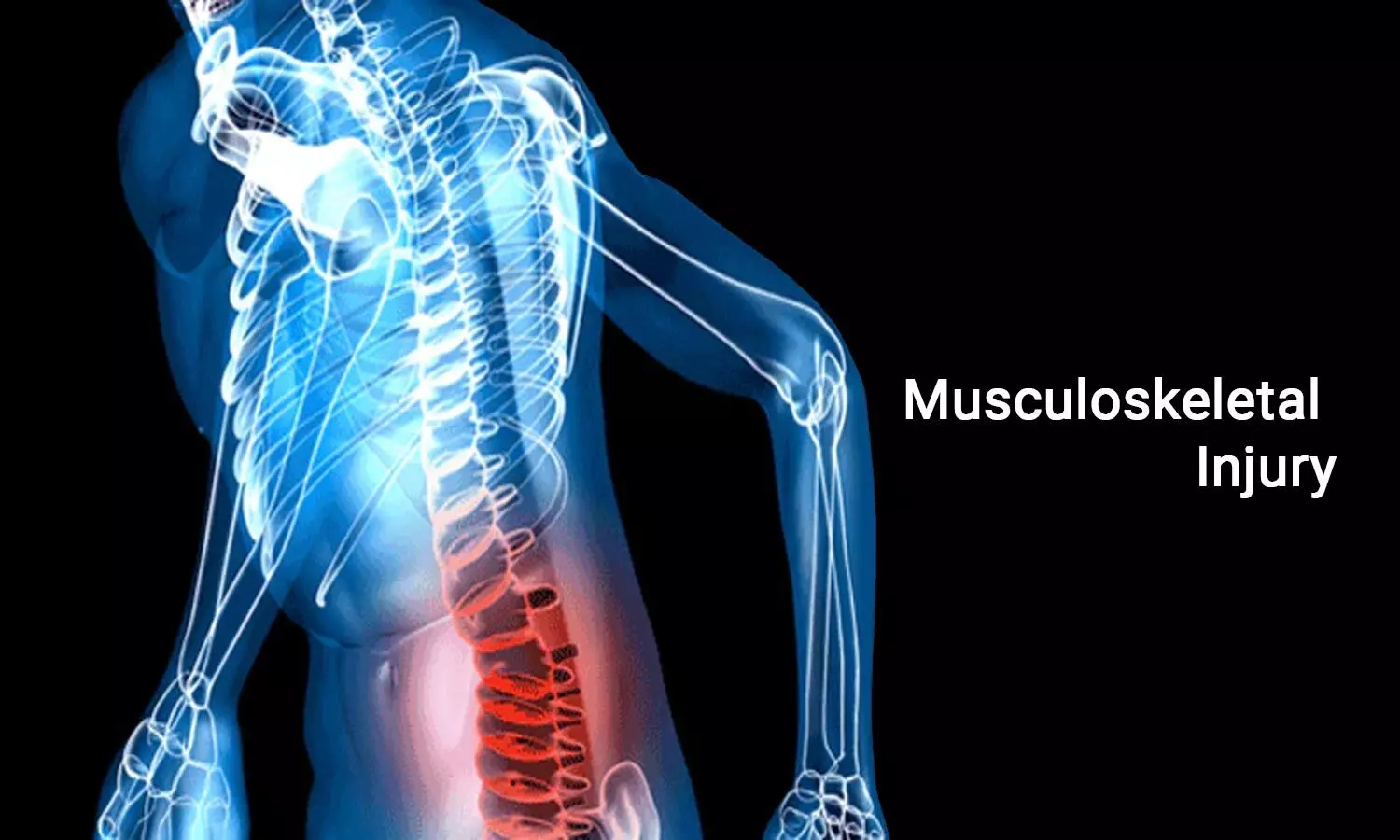


India: A review published in the European Journal of Medical Research highlights that Coeliac Disease can significantly affect the musculoskeletal system, leading to bone, muscle, and joint complications that often remain under-recognised in clinical practice. The findings emphasize that the condition, traditionally associated with gastrointestinal symptoms, should increasingly be viewed as a systemic disorder with broader health implications.
The review was authored by Prof. Raju Vaishya from the Department of Orthopaedics and Joint Replacement Surgery at Indraprastha Apollo Hospital, New Delhi, along with international collaborators, including lead author Filippo Migliorini. Drawing on evidence from paediatric to elderly populations, the researchers examined how gluten sensitivity and immune-mediated intestinal damage can contribute to skeletal fragility, muscle loss, and joint disorders.
Explaining the motivation behind the work, Prof. Filippo Migliorini, noted that coeliac disease is increasingly recognised as a systemic disorder rather than a condition limited to the digestive tract. “Many patients present with bone, muscle, or joint problems before their coeliac disease is diagnosed, making awareness among clinicians very important,” he told Medical Dialogues.
According to the review, several mechanisms contribute to the musculoskeletal complications associated with coeliac disease. These include persistent inflammation, immune system dysregulation, nutrient deficiencies, and alterations in the gut microbiome. Malabsorption of essential nutrients—particularly calcium and vitamin D—plays a key role in weakening bones and muscles over time.
Highlighting the clinical burden of the disease, Dr. Raju Vaishya, Senior Consultant Orthopaedic Surgeon at Indraprastha Apollo Hospitals and coauthor of the study, explained that skeletal complications are more common than many clinicians realise. “The most frequent complications include low bone mineral density, such as osteopenia and osteoporosis, osteomalacia, joint pain, arthritis, and muscle weakness or myalgia. These largely result from chronic inflammation and nutrient malabsorption, particularly calcium and vitamin D,” he said.
The authors also stressed that these complications can arise even when gastrointestinal symptoms are minimal or absent. In some cases, musculoskeletal problems may be the first indication of the disease. Patients presenting with unexplained bone pain, fractures, or reduced bone density may therefore require evaluation for coeliac disease.
Evidence reviewed in the study suggests that individuals with the condition face a higher risk of fractures, early-onset osteoporosis, sarcopenia, and functional impairment. These issues may occur across all age groups and can significantly affect quality of life if not identified and managed early.
Experts involved in the review emphasized the importance of a multidisciplinary approach to care. Ms Pallavi Vaish, Senior Dietitian and Nutritionist, explained that management strategies should extend beyond dietary modification alone. “Along with a strict gluten-free diet, patients may benefit from calcium and vitamin D supplementation, weight-bearing exercise, and regular bone density monitoring,” she said. In patients with substantial bone loss, osteoporosis medications may also be considered.
Overall, the authors call for greater clinical awareness of the musculoskeletal burden linked to coeliac disease. They suggest that improved recognition of these complications could facilitate earlier diagnosis and more comprehensive management, thereby bridging the gap between gastroenterology and musculoskeletal care.
Reference:
Migliorini F, Simeone F, Schäfer L, Katusic D, Vaishya R, Memminger MK. Musculoskeletal consequences of coeliac disease. Eur J Med Res. 2026 Mar 5. doi: 10.1186/s40001-026-04010-x. Epub ahead of print. PMID: 41787590.
