
Duvakitug Shows Promise in Ulcerative Colitis and Crohn’s Disease: Lancet
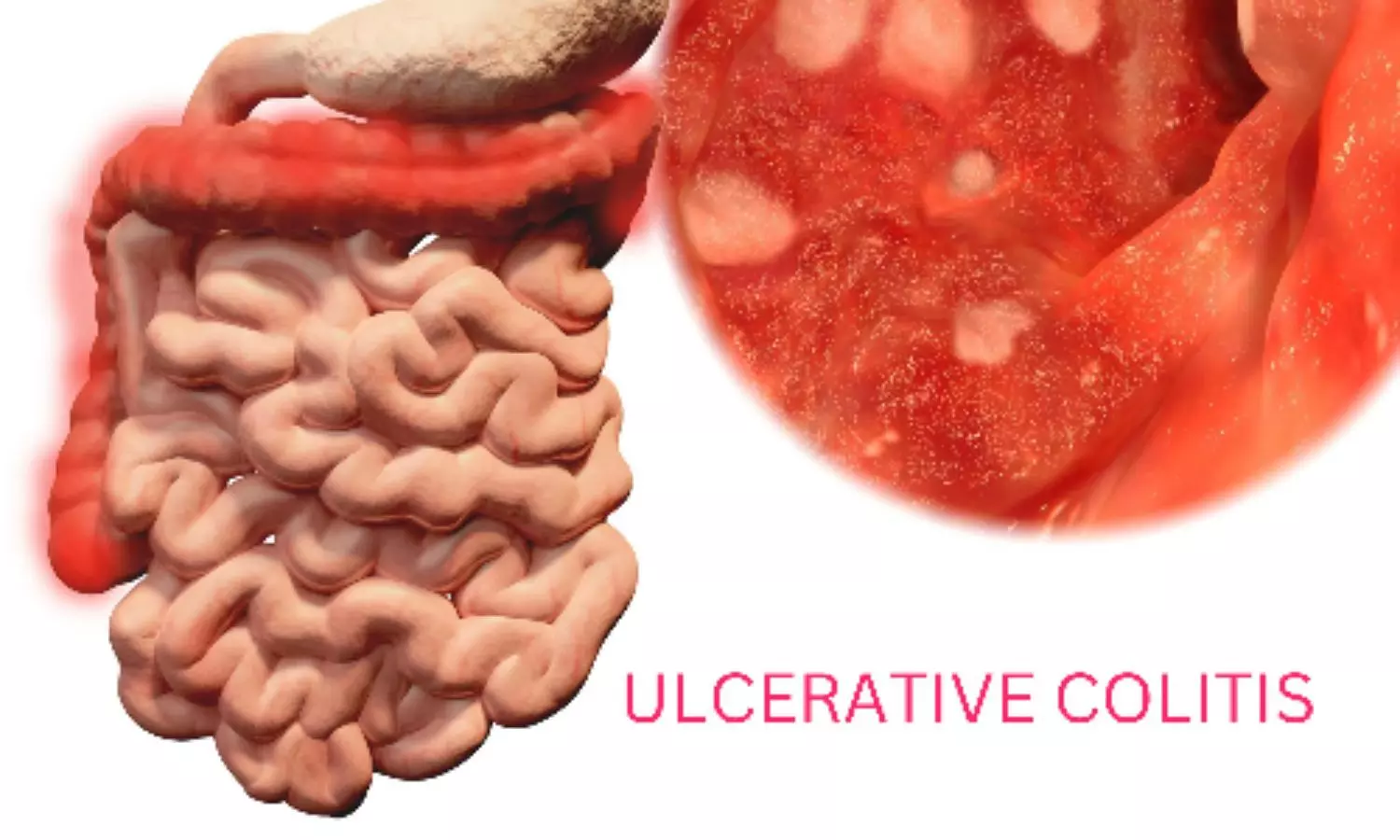


USA: In the phase IIb RELIEVE UCCD trial, investigational duvakitug improved clinical remission rates in patients with ulcerative colitis and endoscopic response rates in those with Crohn’s disease. As an anti-TNF-like cytokine 1A (TL1A) monoclonal antibody, duvakitug is designed to reduce inflammation and potentially influence fibrosis. The findings suggest that it may be a promising induction therapy for patients with inflammatory bowel disease.
The study, published in The Lancet Gastroenterology & Hepatology, was led by Prof. Walter Reinisch from the Department of Internal Medicine III, Medical University of Vienna, Austria, and colleagues. The researchers evaluated the efficacy and safety of duvakitug in adults with moderately to severely active ulcerative colitis, including those who had an inadequate response, loss of response, or intolerance to previous conventional or advanced therapies.
RELIEVE UCCD was a multicentre, randomized, placebo-controlled phase IIb trial conducted across multiple sites. Adults aged 18–75 years were randomly assigned to receive a 2,250-mg subcutaneous loading dose of duvakitug, followed by either 450 mg or 900 mg every two weeks, or placebo. The primary endpoint was clinical remission at week 14, assessed using the modified Mayo score.
The modified intention-to-treat analysis included 137 patients who received at least one dose of study treatment. Participants had a mean age of 41 years, and nearly one-third had previously received advanced therapy for ulcerative colitis.
Key findings included:
- At week 14, 36% of patients receiving duvakitug 450 mg and 48% receiving duvakitug 900 mg achieved clinical remission, compared with 20% in the placebo group.
- Both dosing regimens met the prespecified Bayesian threshold for superiority over placebo, with the strongest evidence observed for the 900-mg dose.
- The estimated improvement in remission rates over placebo was 15% with the 450-mg regimen and 26% with the 900-mg regimen.
- Adverse event rates were comparable across treatment groups, occurring in 49% of patients receiving 450 mg, 43% receiving 900 mg, and 52% receiving placebo.
- The most commonly reported adverse events were upper respiratory tract infections and anaemia.
- Serious adverse events were uncommon, with one case of non-infective oophoritis reported in the 900-mg group and one intracranial haemorrhage reported in the placebo group.
No new safety signals were identified during the 14-week induction period, and duvakitug showed a tolerability profile comparable to placebo.
Ulcerative colitis is a chronic inflammatory bowel disease, and many patients do not achieve sustained remission with existing therapies. By targeting TL1A, a key mediator of inflammation and fibrosis, duvakitug offers a novel therapeutic approach.
The researchers concluded that duvakitug significantly improved clinical remission rates without additional safety concerns in patients with moderately to severely active ulcerative colitis, supporting its further development as a potential treatment for inflammatory bowel disease.
Reference:
Reinisch, W., Stepek, D., Kempinski, R., Danese, S., Sands, B. E., Ratiu-Duma, B., Singh, R., Levine, P., Barkay, H., Gross, N., Abrams, K., & Jairath, V. (2026). Efficacy and safety of duvakitug in patients with ulcerative colitis (RELIEVE UCCD): A phase 2b, randomised, placebo-controlled trial. The Lancet Gastroenterology & Hepatology. https://doi.org/10.1016/S2468-1253(26)00120-2

Next Story