
High-salt diet may drive fatty liver disease differently in lean people: Duke-NUS pre-clinical study
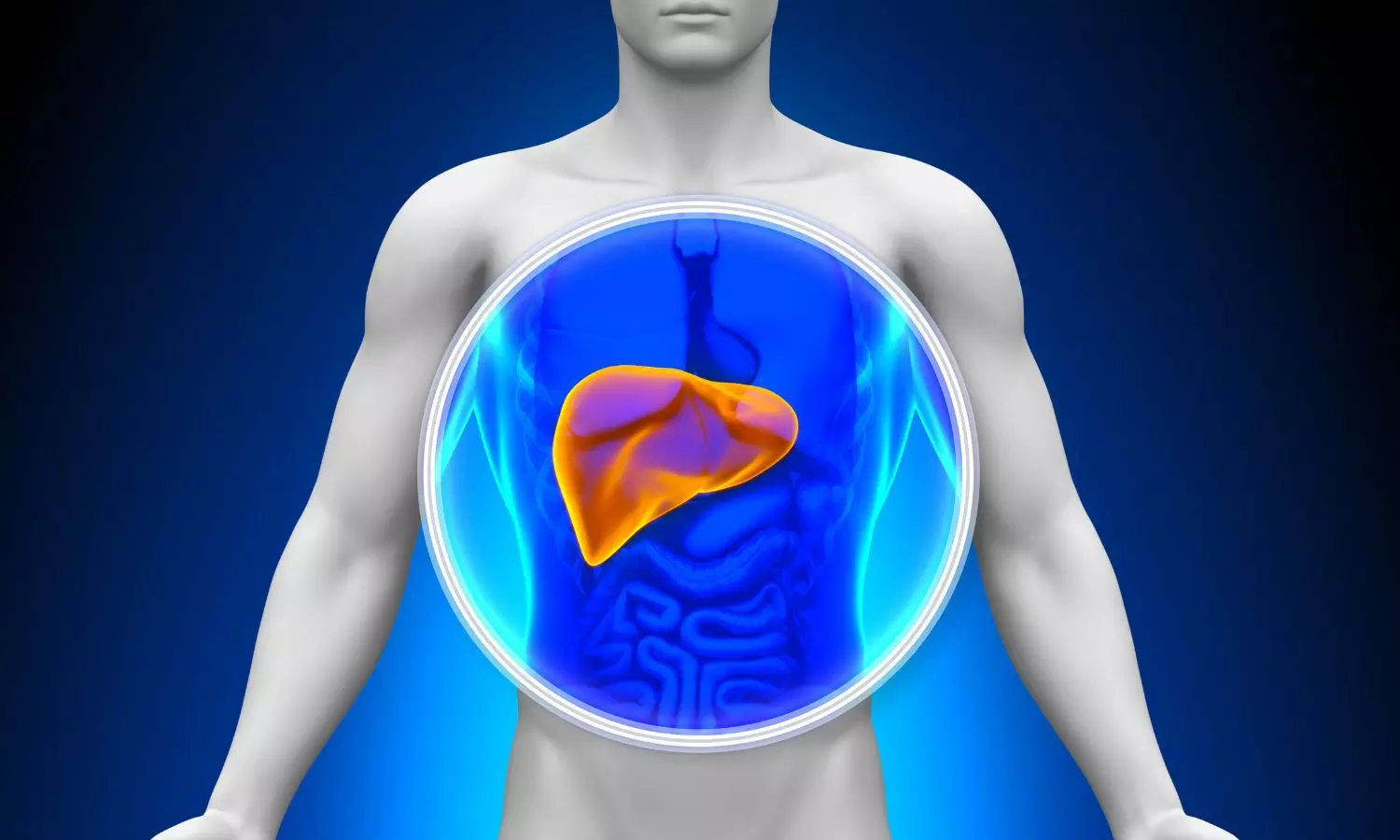


Fatty liver disease is commonly associated with obesity, yet a growing number of people with normal body weight develop a severe form of the condition. Scientists at Duke-NUS Medical School have now identified a distinct mechanism in a mouse model that may help explain why: excess dietary salt can alter liver metabolism and trigger inflammatory pathways associated with lean metabolic dysfunction-associated steatohepatitis (MASH).
The findings, published in Molecular Metabolism, could help explain why treatments designed for obesity-associated MASH may not work as effectively in lean patients and point towards more tailored approaches to diagnosis and treatment.
MASH is a progressive and severe form of liver disease marked by persistent inflammation and tissue scarring. Left untreated, the condition can advance to liver failure, cirrhosis, and liver cell cancer. MASH is increasingly common, particularly in Singapore and other westernised Asian populations, with an estimated prevalence of up to 40 per cent.
A growing proportion of people around the world, particularly across Asian populations, have developed MASH despite maintaining a normal body mass index—hence the term ‘lean MASH’. Currently, the environmental triggers and molecular mechanisms underlying lean MASH are unclear, and there are no suitable laboratory models to study the disease.
To address these challenges, the scientists developed the world’s first diet-induced mouse model of lean MASH. The model mirrors key features of lean MASH, including relatively low levels of liver fat but severe inflammation and scarring. This reflects a pattern seen in some patients, who may have less liver fat but face a higher risk of serious liver complications and death.
The team, which included researchers from Duke-NUS, National Heart Centre Singapore, Duke University School of Medicine and University College London, also discovered that excess dietary salt changes how the liver handles fat—increasing fat breakdown but at the same time activating immune cells that drive inflammation in the liver.
“Our findings suggest that lean MASH is not simply the same disease occurring in a thinner person. The biology appears to be different. While obesity-associated MASH is closely linked to excess fat accumulation, our model shows that high dietary salt can alter liver metabolism and activate inflammatory pathways even without obesity. That distinction matters because treatments developed for obesity-associated MASH may not address what is driving disease in lean patients,” explained Dr Zhou Jin, lead author of the study. She is also Principal Research Scientist at Duke-NUS’ Cardiovascular & Metabolic Disorders Signature Research Programme and Gilead Research Scholar.
Because cardiovascular disease is a primary cause of mortality among MASH patients, establishing a relevant experimental model will have impacts beyond liver health.
Professor Derek John Hausenloy, Cardiovascular & Metabolic Disorders Signature Research Programme at Duke-NUS Medical School and one of the authors of the study, said:
“This model gives us a way to investigate and understand lean MASH as a whole-body disease, not just a liver condition. That is particularly important because cardiovascular disease is a leading cause of death in patients with MASH. We can now begin to ask whether the mechanisms driving liver injury in lean MASH also affect the heart.”
Professor Lok Shee-Mei, Vice-Dean of the Office of Research at Duke-NUS, said:
“This study challenges the assumption that fatty liver disease follows the same biological pathway in every patient. By revealing a distinct mechanism in lean MASH, and providing a preclinical model with which to study it, the team has created an important foundation for developing diagnostics and treatments that reflect the biology of the individual patients.”
The team will next use this model to identify early diagnostic biomarkers of lean MASH and test compounds that can selectively block salt-induced inflammatory pathways identified in the study. Ultimately, this could help clinicians distinguish lean MASH earlier and determine which treatments are most likely to benefit individual patients.
Reference:
Shaopeiwen Luo, Norihiko Morisawa, Anissa Anindya Widjaja, Brijesh Kumar Singh, Derek John Hausenloy, Paul Michael Yen, Jin Zhou, High salt supplementation of a MASH-inducing diet causes lean MASH phenotype with increased hepatic urea cycle activity and EIF5A hypusination, Molecular Metabolism, Volume 111, 2026, 102417, ISSN 2212-8778, https://doi.org/10.1016/j.molmet.2026.102417.
