
One anastomosis gastric bypass linked to Lower Marginal Ulcer Risk Compared to RYGB: Study
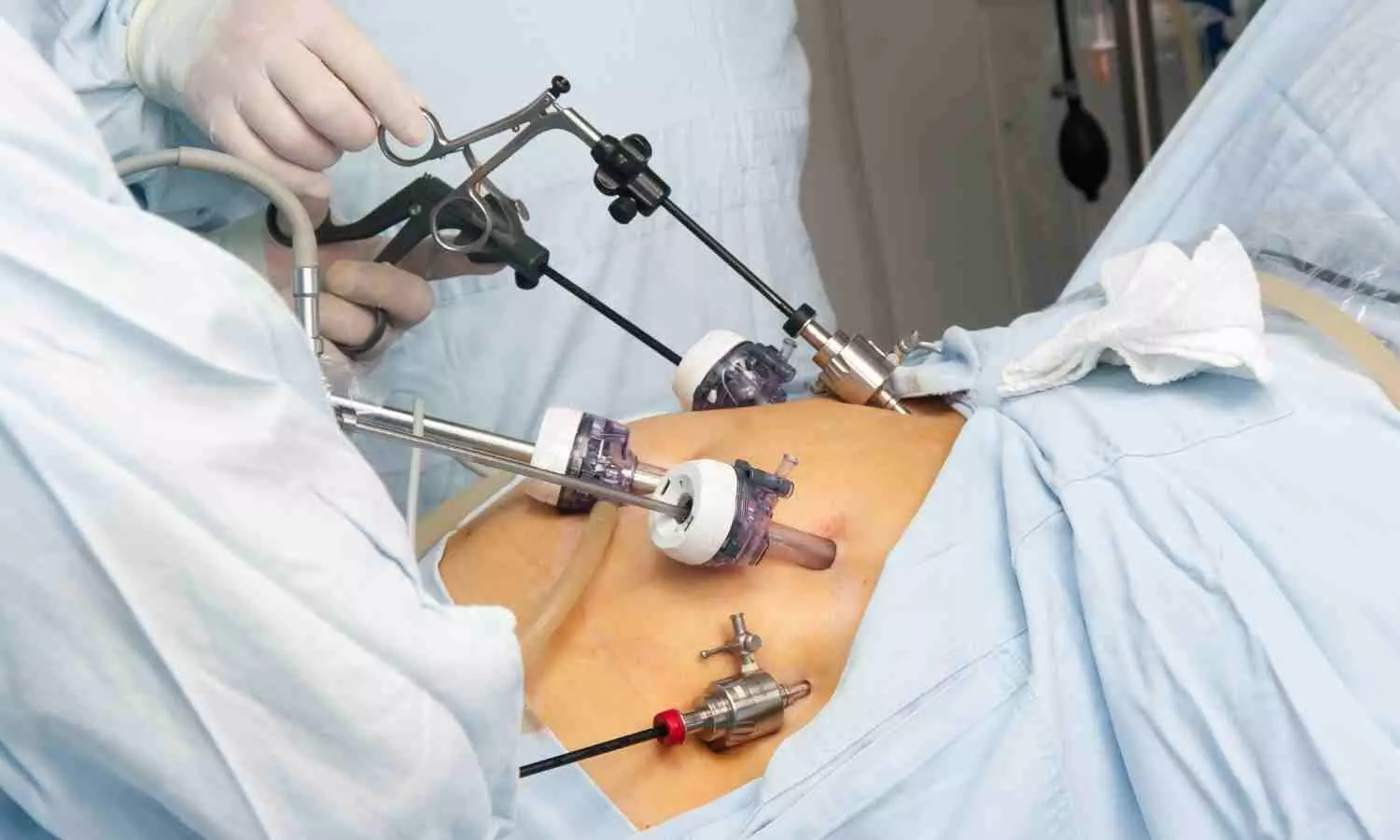


A new study published in the journal of BMC Surgery found that marginal ulcers occurred at a relatively high rate following gastric bypass surgery. One anastomosis gastric bypass (OAGB) was associated with a significantly lower incidence of marginal ulcers when compared to Roux-en-Y gastric bypass (RYGB). After adjusting for confounding factors, type 2 diabetes mellitus and undergoing RYGB were identified as significant predictors of marginal ulcer development.
Bariatric surgery remains one of the most effective treatments for severe obesity, with procedures such as RYGB producing sustained weight loss and improvement in obesity-related diseases. However, postoperative complications remain a concern. Among them, marginal ulcers are considered one of the more serious complications since they often lead to chronic discomfort, bleeding, or additional surgery.
This study involved 62 adult patients who had undergone either Roux-en-Y gastric bypass or one-anastomosis gastric bypass. Participants were followed for two years after surgery and underwent comprehensive medical examinations along with upper gastrointestinal endoscopy to identify ulcer formation.
The findings detected marginal ulcers in 19.4% of patients who received Roux-en-Y gastric bypass, when compared to only 3.2% of those who underwent one-anastomosis gastric bypass. Statistical analysis confirmed that the difference was significant, suggesting that surgical technique plays an important role in ulcer development.
Despite both procedures being widely considered safe and effective for long-term weight management, these results indicate that ulcer risk may vary substantially between them. One-anastomosis gastric bypass involves a simpler surgical connection than Roux-en-Y, which may reduce exposure of the intestinal lining to irritants that can contribute to ulcer formation.
Multivariate analysis showed that individuals with type 2 diabetes were more likely to develop marginal ulcers regardless of the surgical procedure performed. However, Roux-en-Y gastric bypass itself remained an independent predictor of ulcer formation even after accounting for other variables.
This study emphasized that marginal ulcers occurred at a relatively high overall rate following gastric bypass surgery, which highlighted the need for careful postoperative monitoring. Regular follow-up visits and endoscopic evaluations may help detect complications early and improve long-term outcomes.
While the study sample was relatively small, the findings add to growing evidence suggesting that one-anastomosis gastric bypass may offer certain safety advantages. Larger and longer-term studies will be necessary to confirm whether the reduced ulcer risk persists across broader patient populations.
Source:
Abdelsalam, A., Fahmy, A., Saqr, A., Elsayed, S., & Mohamed Salah Eldden Othman Elansary, A. (2026). Incidence of marginal ulcer after one anastomosis gastric bypass versus Roux-en-Y gastric bypass: a comparative study. BMC Surgery. https://doi.org/10.1186/s12893-026-03559-y

