
One-Third of Acute Pancreatitis Cases Have Nonalcoholic, Nonbiliary Causes, JAPI Study Finds
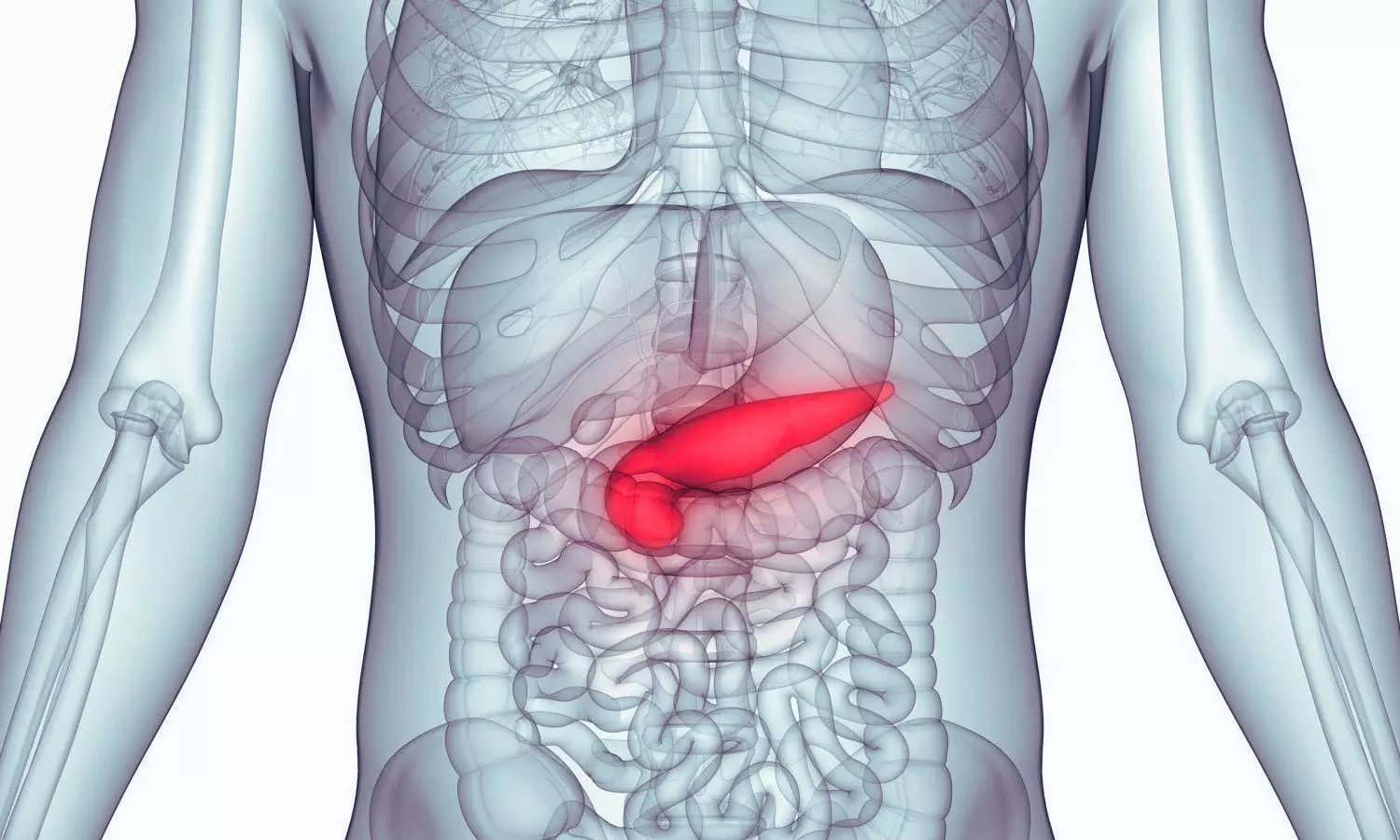


A recent study published in The Journal of the Association of Physicians of India in April 2026 reveals that a significant 34% of acute pancreatitis cases arise from nonalcoholic and nonbiliary etiologies, which surprisingly correlate with lower mortality and organ failure rates despite their diagnostic complexity.
While acute pancreatitis (AP) is a critical emergency with a rising global incidence, its specific etiological landscape in India remains under-researched. To address this clinical gap, Ravi Shankar Bagepally and colleagues at Yashoda Hospitals, Secunderabad, evaluated the prevalence and outcomes of nonalcoholic and nonbiliary triggers.
Therefore, the prospective observational study followed 150 consecutive adults (18–80 years) at a tertiary care center from June 2021 to May 2022. Researchers utilized clinical, biochemical, and contrast-enhanced computed tomography (CECT) evaluations to classify etiology and severity according to the Revised Atlanta Classification. Patients with chronic pancreatitis, pregnancy, malignancy, or recurrent presentations were excluded to ensure precise assessment of primary outcomes.
Key Clinical Findings of the Study Include:
• Etiological Diversity: The study highlighted that while alcohol (36%) and biliary disease (30%) were the most frequent causes, other factors like drug induction (5.33%), hypertriglyceridemia (4.67%), and idiopathic origins (14%) comprised a substantial portion of the cohort.
• Gender and Age Trends: Research data revealed a stark gender contrast, with alcohol being the primary driver in 34% of male cases, while the highest incidence of the disease was observed in the 31–50 age group for both sexes.
• Severity Markers: Clinical analysis established that significantly elevated levels of C-reactive protein (CRP) (40.67 mg/L) and hematocrit (HCT) (51.13%) were predictive of severe disease progression compared to mild cases.
• Clinical Outcomes: The investigation noted that a majority (67.3%) of patients experienced mild pancreatitis, with significantly lower mortality and organ failure rates observed in the nonalcoholic and nonbiliary subgroups.
Bagepally RS, Rampally V, Rao GRS, et al. Acute Pancreatitis beyond Gallstones and Alcohol. J Assoc Physicians India 2026;74(4):32–35.
