
Yes, that late-night snacking is probably messing up your gut, reports research
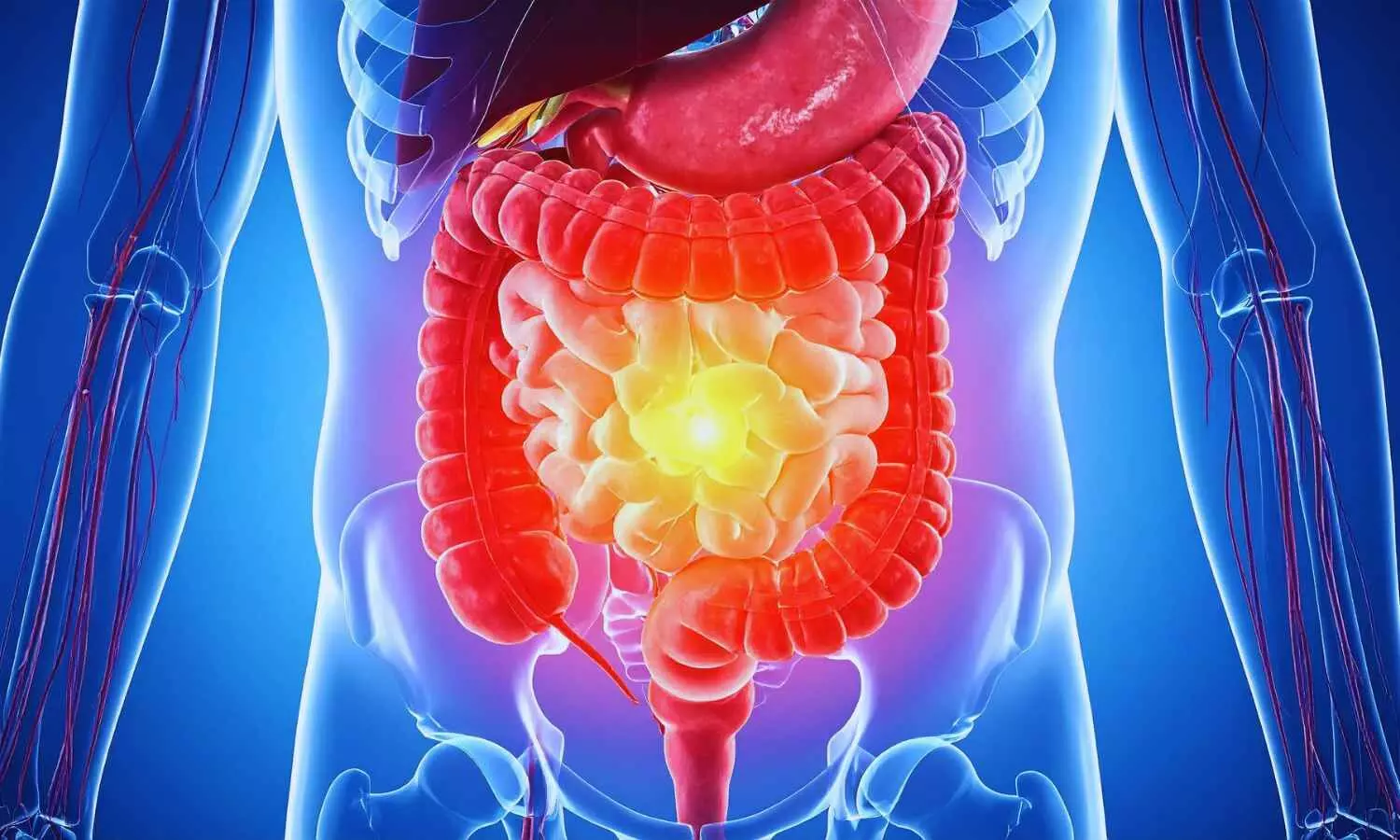


It's well known that chronic stress can disrupt bowel function, sending people running to the bathroom or making them constipated. New research to be presented at Digestive Disease Week® (DDW) 2026 suggests that eating late at night amplifies these effects, with implications for both digestive health and the gut microbiome.
“It’s not just what you eat, but when you eat it,” said Harika Dadigiri, MD, resident physician at New York Medical College at Saint Mary’s and Saint Clare’s Hospital, and the study’s lead author. “And when we’re already under stress, that timing may deliver a ‘double hit’ to gut health.”
Researchers analyzed data from more than 11,000 participants in the National Health and Nutrition Examination Survey to examine links between chronic stress, late-night eating and bowel dysfunction. Individuals with a high allostatic load score — the cumulative physiological stress as reflected in body mass index (BMI), cholesterol level, and blood pressure — who also reported eating more than 25% of daily calories after 9 p.m. were 1.7 times more likely to experience constipation and diarrhea than those with lower scores who did not eat late at night.
Similarly, data from more than 4,000 participants in the American Gut Project found that people with both high stress levels and late-night eating habits were 2.5 times more likely to report bowel problems. These individuals had significantly lower gut microbiome diversity, suggesting that meal timing might magnify the impact of stress on the microbiome via the gut-brain axis — the two-way communication system involving nerves, hormones and gut bacteria.
The study was observational, so the findings highlight associations rather than cause-and-effect. Further research is needed to better understand how stress, eating patterns and gut health are connected. Still, the results underscore growing awareness of chrononutrition: how the body’s circadian rhythm impacts the way it processes food.
Dr. Dadigiri is sympathetic to those who reach for late-night snacks after long, demanding days, and as a medical resident, she counts herself among them.
"I'm not the ice cream police,” Dr. Dadigiri said. “Everyone should eat their ice cream — maybe preferably earlier in the day. Small, consistent habits, like maintaining a structured meal routine, may help promote more regular eating patterns and support digestive function over time.”
Reference:
Yes, that late-night snacking is probably messing up your gut, Digestive Disease Week, Meeting, Digestive Disease Week (DDW).
