Considering H2RAs in Management of Pediatric Allergic Conditions: A Multidisciplinary Consensus
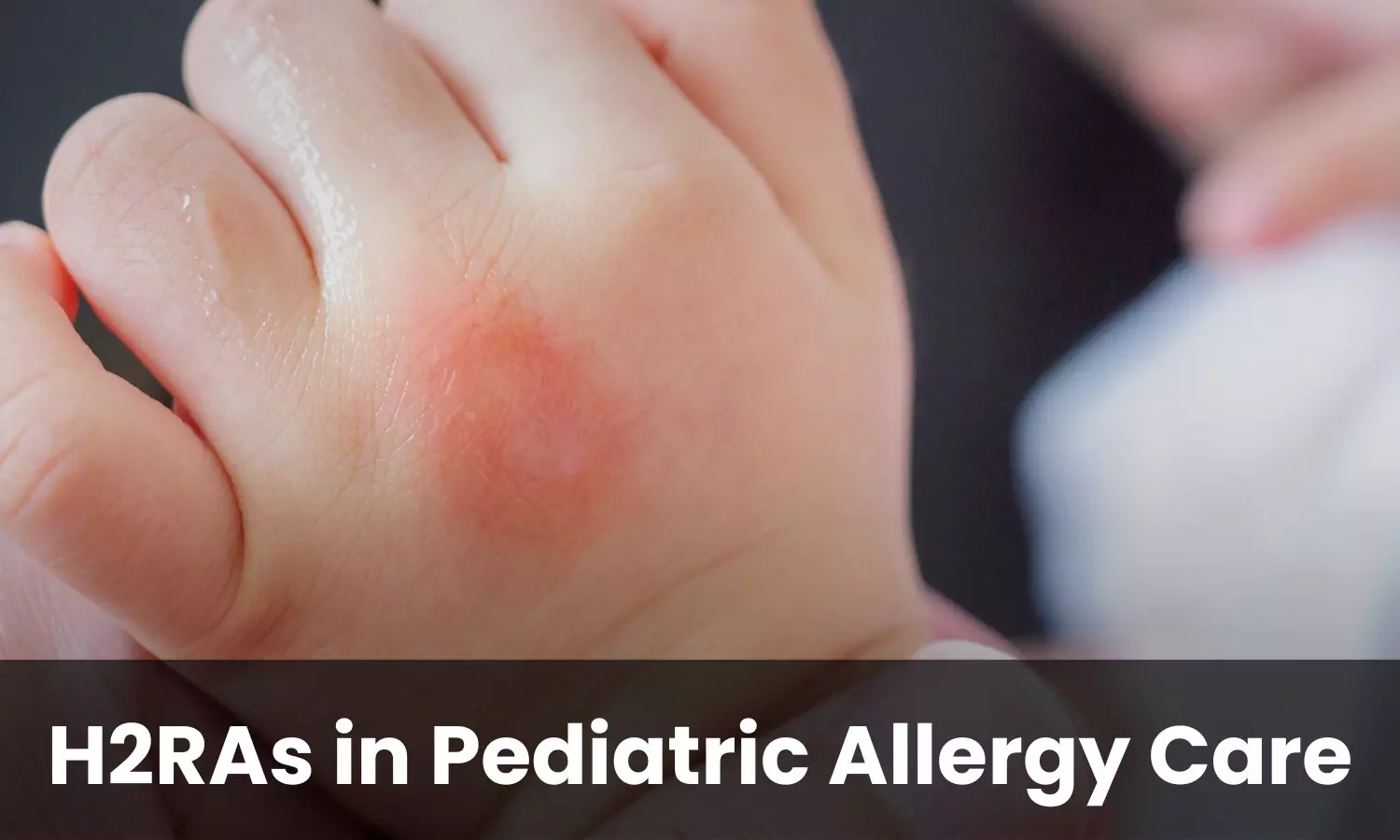


While gastric acid-reducing medications (ARMs) such as proton pump inhibitors (PPIs) and histamine-2 receptor antagonists (H2RAs) are foundational in treating pediatric gastrointestinal disorders like GERD and peptic ulcers, emerging evidence supports their utility in non-gastrointestinal (GI) applications. Specifically, H2RAs are increasingly recognized as a valuable adjunct in managing pediatric allergic conditions.
The multidisciplinary EMPACIP team of 24 pediatric specialists concluded that Histamine-2 receptor antagonists (H2RAs), such as ranitidine and famotidine, serve as a significant non-gastrointestinal (GI) therapeutic adjunct for managing refractory chronic urticaria in children.
Published on May 7, 2025, in the journal Cureus, the evidence-based review established that while H2RAs are primarily gastric acid-reducing medications (ARMs), their dual-blockade synergy with H1-antihistamines offers a cost-effective and favorable safety profile for patients who fail to achieve symptomatic control with standard first-line therapies. This consensus emphasizes the necessity of rational, individualized prescribing to optimize clinical outcomes in complex pediatric allergic cases.
Pathophysiological Basis for Dual Blockade in Allergies with H1 & H2 Receptor Antagonists
Chronic urticaria, characterized by pruritic wheals lasting over six weeks, affects approximately 2% to 6% of the pediatric population. While H1-antihistamines are the standard of care, roughly 50% of patients do not respond adequately to initial doses. Because histamine-mediated effects are distributed across both H1 and H2 receptors, the combination of both antagonists has been explored since 1978 to provide moderate additional relief from pruritus and wheal formation in refractory cases.
International and National Guideline Frameworks
The Cureus review highlights specific clinical pathways established by major dermatological and allergy scientific societies:
- EAACI/GA2LEN/EDF/WAO Guidelines: These international standards recommend second-generation, non-sedating H1-antihistamines as the primary treatment. For patients showing inadequate control, the guidelines suggest increasing the H1-antihistamine dose up to four times the approved pediatric limit before escalating to biologics like omalizumab.
- H2RA as a Targeted Alternative: While not recommended for routine use, the EAACI/GA2LEN guidelines note that H2RAs may be considered for individual patients due to their significant cost-effectiveness compared to omalizumab.
- Skin Allergy Research Society's 2022 Guideline from India: In the Indian clinical setting, guidelines explicitly suggest H2RAs as a viable alternative for patients non-responsive to high-dose H1-antihistamines.
- Trial Duration and Discontinuation: Scientific protocols specify that the decision to add an H2RA should be tailored to the clinical scenario, with a recommendation to discontinue the H2-antagonist if no clinical improvement is observed within two to four weeks of initiation.
Adjuvant Use of H2RAs with H1 Antihistamines
Dr Uday A. Pai, Pediatrician, Sai Kutti Clinic, Mumbai, an expert from the review paper noted, “H2RA therapy could be considered as a clinically relevant adjuvant to standard anti-allergic treatment, offering added benefit alongside H1 antihistamines when there is inadequate response to H1 antihistamines alone, through a complementary mechanism.”
Safety and Indications of H2RAs in Early Childhood
Dr Pramod Jog, Pediatrician, Jog Children’s Clinic, Pune, another expert from the review paper said, “H2 receptor antagonists are commonly used in neonates and infants, as they are relatively safe and carry a low risk of adverse effects in this age group. We typically use them for conditions like GERD, stress ulcer prevention, and drug-induced dyspepsia. They can be safely added for allergies when H1 antihistamines alone do not provide expected relief.
In contrast, proton pump inhibitors are reserved for confirmed GERD, erosive oesophagitis, or conditions like eosinophilic oesophagitis. However, we generally avoid their use in the NICU, and in infants under one year. They should be used only when clearly indicated due to safety concerns and the risk of overuse. That’s why, in neonates and infants, H2 receptor antagonists are often preferred as the initial choice.”
Practical Considerations for Pediatric Practitioners
Based on the EMPACIP panel's findings and existing guidelines, the clinical management of pediatric chronic urticaria should follow a structured, stepwise approach. Clinicians should first optimize second-generation H1-antihistamine therapy, potentially exceeding standard doses if required. If symptoms remain refractory after 2–4 weeks of high-dose H1 therapy, an individualized trial of an H2RA (ranitidine or famotidine) is clinically indicated as a safe and affordable adjunct. However, practitioners must strictly monitor the trial; a lack of response within the first month necessitates cessation of the H2RA to prevent unnecessary long-term medication exposure. This evidence-based strategy ensures that high-level care remains accessible while adhering to a rational prescribing framework.