
Hidden Burden of Melioidosis in India: Study Uncovers Reporting Gaps and Monsoon Surge
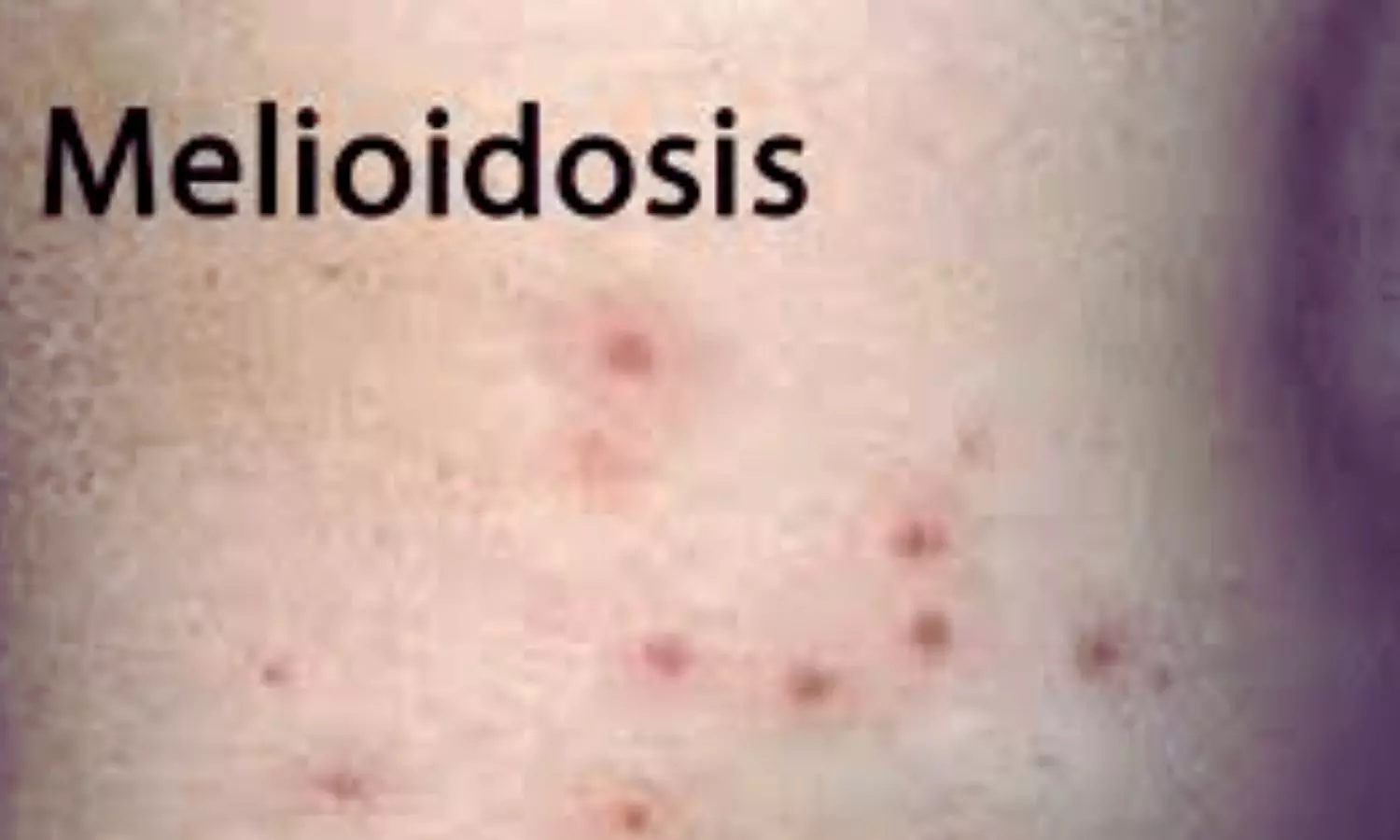


India: A recent study published in Scientific Reports in November 2025 suggests that melioidosis remains significantly underdiagnosed across India, with 96% of 1,694 reported cases since 1953 originating from just five states. The findings point toward major gaps in national surveillance and diagnostic awareness.
Melioidosis, caused by Burkholderia pseudomallei, is a potentially fatal tropical infection that frequently mimics tuberculosis and other febrile illnesses, leading to delayed or missed diagnosis. Despite India being considered endemic for the disease, systematic reporting remains limited. To address this gap, Shivvrat Jha and colleagues from Kasturba Medical College (KMC), Manipal, conducted a comprehensive cross-sectional analysis of seven decades of published case reports to evaluate demographic patterns, geographic clustering, and associated agrometeorological and socioeconomic factors.
For this purpose, the researchers conducted a cross-sectional study, screened more than 20,000 articles from major medical databases, and utilized spatial mapping tools like ArcGIS (Geographic Information System) software to analyze 1,694 confirmed patients diagnosed between 1953 and 2023, while excluding any reports that did not focus on cases specifically within India. By examining patient profiles, clinical endpoints, and soil properties across various states, the researchers summarized the primary goal of developing an MCI that assesses infection probability based on demographics, clinical symptoms, and exposure risks in a simple, structured manner for healthcare providers.
Key Clinical Findings of the Study Include:
- Demographic Susceptibility Patterns: The study determined that the infection predominantly impacts males, who comprised 79.2% of the cases, and specifically targets adults within the 40- to 55-year age bracket.
- High-Risk Occupations: In the study, farmers represent the most vulnerable occupational group, with regional data showing they are 2.8 times more likely to test positive for the pathogen than individuals in other professions.
- Comorbidity and Clinical Stress: Researchers identified Diabetes Mellitus (DM) as a critical risk factor, with 387 patients suffering from this condition alone, while others presented with complications like Acute Kidney Injury (AKI).
- Regional Diagnostic Disparities: The investigation found that 96% of reported cases originated from only 30 medical centers located in five specific states—Karnataka, Tamil Nadu, Kerala, Puducherry, and Odisha—highlighting a severe need for improved diagnostic awareness across the rest of the country.
- Seasonal and Meteorological Trends: Study data indicated a significant seasonal pattern where 66.9% of melioidosis incidences are concentrated during the monsoon period, spanning from June to September.
The results suggest that melioidosis is far more widespread in India than current data indicates, with the actual case burden potentially associated with a mortality rate of up to 50% if left undiagnosed. Consequently, the implementation of a standardized checklist index could significantly enhance early case detection and reporting across all levels of healthcare.
The authors note that clinicians should integrate melioidosis into their differential diagnosis for acute febrile illnesses and advocate for its inclusion as a legally notifiable disease to improve national health monitoring.
While the study was limited by incomplete documentation of variables like patient occupation and inconsistent state-level reporting, it underscores the necessity for a future nationwide soil survey and broader epidemiological reporting to fully understand the pathogen’s distribution.
Reference
Jha, S., Mittal, M., Prasad, L. R., Ghosh Dastidar, S., Shetty, S., Mailapalli, D. R., Kumari, P., Kaur, H., Ghosh Dastidar, R., Mukhopadhyay, C., & Lal, P. B. (2025). Missing links of melioidosis in India: a cross-sectional analysis of case reports, agrometeorological and socioeconomic factors. Scientific Reports, 15:43237.
