
Common obesity medications lead to higher muscle loss than other weight loss interventions, review finds
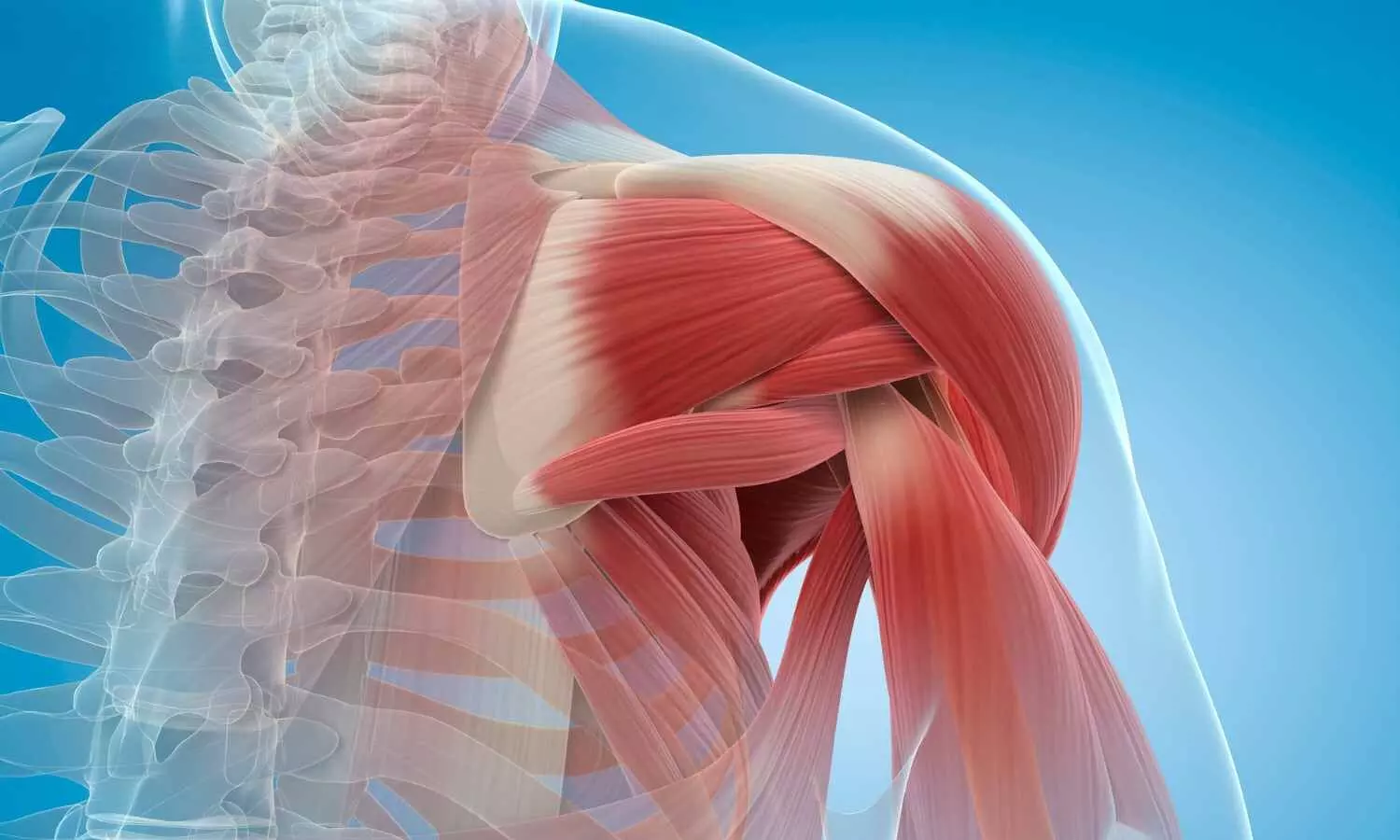


A systematic review of clinical trials found that adults treated with incretin-based obesity medications, like semaglutide and tirzepatide, not only lose significant body fat but also tend to have more muscle-related loss than with other weight loss interventions. In two-thirds of studies reviewed, adults treated with incretin-based obesity medications experienced muscle‑related losses that exceeded common benchmarks, suggesting future research is needed to better understand the underlying mechanisms of these changes and their implications.
The findings will be presented at the breaking news scientific plenary session "New in Annals of Internal Medicine: Hear it First from the Authors" held at the Moscone Center in San Francisco during the American College of Physicians’ (ACP) Internal Medicine Meeting 2026. The paper will also be published in Annals of Internal Medicine.
Researchers from the University of North Carolina at Chapel Hill and colleagues aimed to understand how incretin-based medications affect body composition among adults with overweight or obesity. Researchers reviewed 36 randomized controlled trials reporting on body composition outcomes of liraglutide, semaglutide, tirzepatide, or dulaglutide compared with nonpharmacologic therapies including lifestyle interventions and placebo in adults aged 18 and older published between January 2023 and February 2026.
While the medications reduced total weight, body fat, and visceral fat, the proportion of weight lost from muscle-related tissue varied widely and often surpassed prespecified benchmarks. Half of the placebo/lifestyle interventions examined also exceeded prespecified benchmarks for muscle-related loss, despite these interventions often leading to more modest weight loss. Because no studies assessed objective physical function and measurement methods differed, researchers could not combine findings in a meta‑analysis.
The researchers conclude that muscle-related losses were greater than anticipated in many treatment groups and emphasized the need for future clinical trials to clarify why these changes occur and what they mean for long‑term health. Additionally, the amount of muscle-related loss seen in the comparator intervention groups suggests muscle loss is a consequence of weight loss itself, rather than a side effect of incretin-based therapies. These findings underscore the need for clinicians to proactively counsel patients around muscle-related losses associated with weight reduction and muscle-preserving strategies to incorporate alongside pharmacotherapy.
Reference:
John A. Batsis, Alessandro Gavras, Danae C. Gross, et al. Effect of Incretin-Based and Nonpharmacologic Weight Loss on Body Composition: A Systematic Review. Ann Intern Med. [Epub 17 April 2026]. doi:10.7326/ANNALS-25-00478
