
Indian Hospitals Face 34 Percent Medication Error Rate: New Systematic Evidence
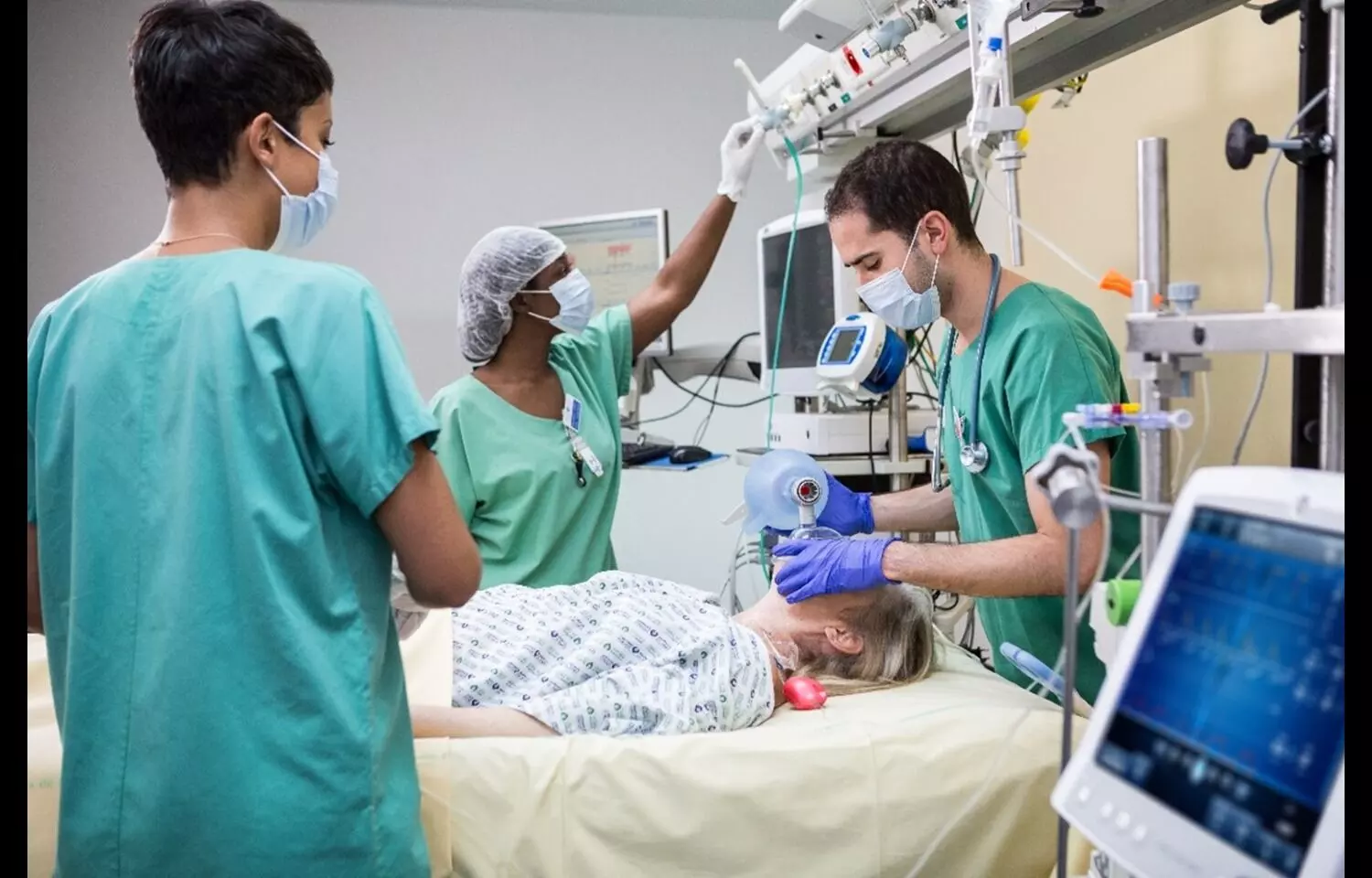


A recent systematic literature review has unveiled a startling 34.11% median incidence rate of medication errors in Indian hospitals, prompting a critical re-evaluation of current patient safety protocols across diverse clinical settings.
Medication errors are a leading global cause of patient harm, and while previous research estimates that medical errors result in 5.2 million annual injuries in India, a significant clinical gap remains because no comprehensive review has synthesized this epidemiological data; therefore, Deepak Govil of the Institute of Critical Care and Anesthesiology, Medanta – The Medicity, Haryana, India, and colleagues conducted the review to evaluate the incidence, frequency, and severity of these errors across various Indian hospital settings.
Therefore, following PRISMA guidelines, the systematic literature review analyzed 40 observational studies involving 307,106 hospitalized patients from January 2014 to April 2025, excluding outpatients and clinical trials, to determine the primary outcomes of error frequency and incidence across diverse settings like ICUs and general wards. The methodology employed a validated quality appraisal framework to assess internal validity, identifying that most included research achieved moderate quality scores while focusing on severity endpoints ranging from minor circumstances to life-sustaining interventions.
Key Findings of the Review Include:
• Prevalence Benchmark: The review identified a median medication error incidence of 34.11%, alongside a general frequency rate of 26.74% across diverse hospital settings.
• Departmental Vulnerability: High-pressure environments showed significant risk, as the review noted ICU error rates reaching 36.53%, while emergency departments reported frequency rates as high as 74%.
• Phase Distribution: Errors occurred most frequently during the prescribing (40%) and administration (31%) stages. In the review, significantly outpacing mistakes in transcription and dispensing.
• Clinical Outcomes: While many events were minor, the review revealed that 8.9% of errors required monitoring, 2.2% caused temporary harm, and up to 1.2% led to prolonged hospital stays.
• High-Alert Risks: In specialized critical care units, the review found that high-alert medications were associated with a rate of 160.12 incidents per 1,000 patient days.
The results suggest that medication errors represent a significant clinical burden in Indian hospital environments, evidenced by a median incidence rate of 34.11% and a 26.74% frequency rate that necessitates the urgent implementation of targeted safety interventions
The review suggests that clinicians might benefit from incorporating structured interventions such as electronic prescribing, medication reconciliation, and double-checking protocols for high-risk drugs to potentially reduce these preventable errors.
While the review provides vital insights, it was limited by the exclusion of some regional databases and inconsistencies in reporting, suggesting that future research might explore standardized methodologies and specific patient factors to further enhance medication safety.
Reference
Govil D, Khan RA, Agarwal A, Ghosh P. Epidemiology of Medication Errors in Indian Hospital Settings: A Systematic Literature Review. Indian J Crit Care Med 2025;29(11):954–966.
