
Large and very small waist sizes linked to heightened death risk across weight range
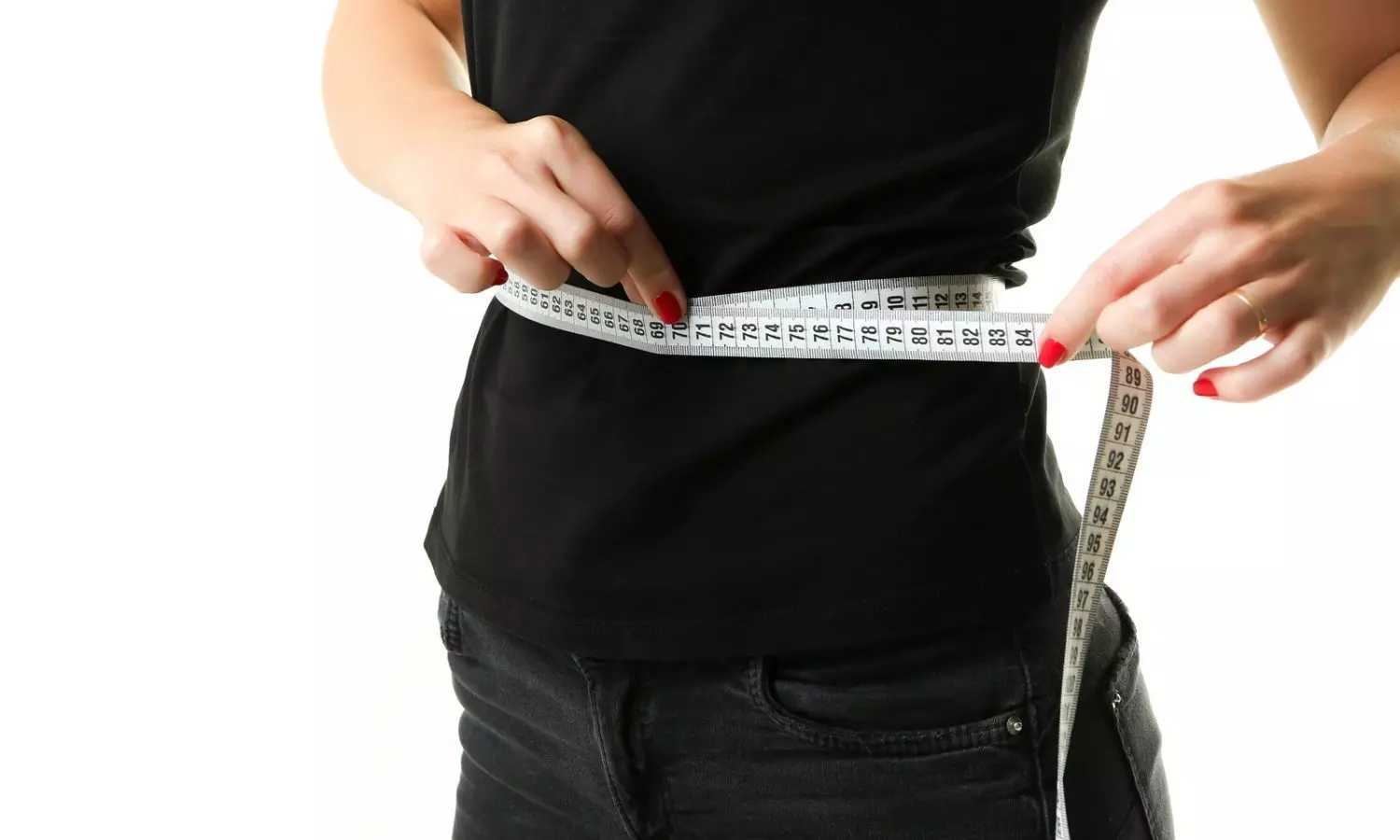


Both large and very small waist sizes are linked to a heightened risk of death across a broad range of body weights, finds a large study of more than 17 million adults, published online in the Journal of Epidemiology & Community Health.
But a slimmer waist in those who are overweight may more effectively lower this risk than weight loss alone, the findings suggest.
While body mass index (BMI) is the most widely used metric for measuring obesity, additional measures, such as waist size and waist to hip or waist to height ratios, are recommended, note the researchers.
But the clinical usefulness of waist size has been hampered by rigid thresholds (102 cm + for White men and 88 cm + for White women, for example), which don’t take account of variations in age and BMI, they add.
On the grounds that death from any cause might better reflect the full spectrum of health risks associated with carrying excess body fat, the researchers set out to assess the combined association between BMI and waist circumference with death from any cause, stratified by sex and age.
They drew on data from 17, 252,815 adults from the National Health Insurance Service (NHIS) in South Korea. Participants received biennial routine health checks, to include waist circumference and BMI measurements in 2009-10. Their survival was tracked until death or 30 June 2024, whichever came first.
In 2009-10, the average age among the women was 49 and 47 among the men. Average waist circumference was 76.4 and 83.8 cm, and average BMI 23 and 24, respectively. Waist circumference was divided into 5 cm intervals within each of 15 BMI categories, ranging from 12-50 kg2..
During an average monitoring period of nearly 14 years, 955,725 (almost 11%) of all the men and 615,825 (nearly 7.5%) of all the women died.
Among the men, average waist size rose until their early 50s and fell after their mid-70s. Among the women, average waist size rose from their mid-20s to their mid-70s, after which it fell.
A U-shaped association emerged between waist circumference and the risk of death, with the lowest risk associated with a waist size of 80-94 cm in men and 75-89 cm in women.
BMI followed a similar pattern, with the lowest risk of death associated with a BMI of 24-28, in men and 23–27 in women.
But both a large and very small waist were associated with a heightened risk of death across all categories of BMI and all ages, although this association was stronger at older ages, particularly among women aged 75 and above.
Among those at or above the average waist circumference for their sex, age, and BMI, each 5 cm increase in waist size was associated with 16% higher risk of death in men and a 14% higher risk of death in women.
In those of normal weight, but with a large waist, a 5 cm reduction in waist size and an 8–10% weight loss (2 unit lower BMI) wasn’t generally associated with a lower risk of death.
But in those who were slightly overweight and with a BMI-specific large waist, a 7–8% weight loss was associated with a lower risk of death, while a 5 cm reduction in waist size, but the same BMI, was associated with an even lower risk of death.
This is an observational study, and as such, can’t establish cause and effect, but if confirmed to be causal, “our detailed joint analyses delineate how optimal adiposity management for longevity differs across BMI–[waist circumference] profiles, providing an empirical basis for individualised obesity management,” write the researchers.
By way of an explanation for their findings, the researchers point out that a slimmer waist, in the absence of weight loss, indicates loss of visceral fat alongside gains in fat-free mass, especially lean muscle. And increased muscle mass is linked to improved cardiorespiratory fitness, both of which independently reduce the risk of death.
On the other hand, a slimmer waist plus weight loss typically results from caloric restriction, and those who aren’t obese proportionally lose more muscle mass than those who are, potentially offsetting the benefits of visceral fat loss, they add.
They conclude: “In individuals with normal-weight or overweight but BMI-specific excess [waist circumference]—particularly those in the highest [waist circumference] categories—[waist circumference] reduction without necessarily pursuing weight loss appeared to confer greater survival benefit than weight loss accompanied by [waist circumference] reduction.”
Reference:
