Low risk awareness of Fentanyl use Among Adolescents Raises Alarm: JAMA
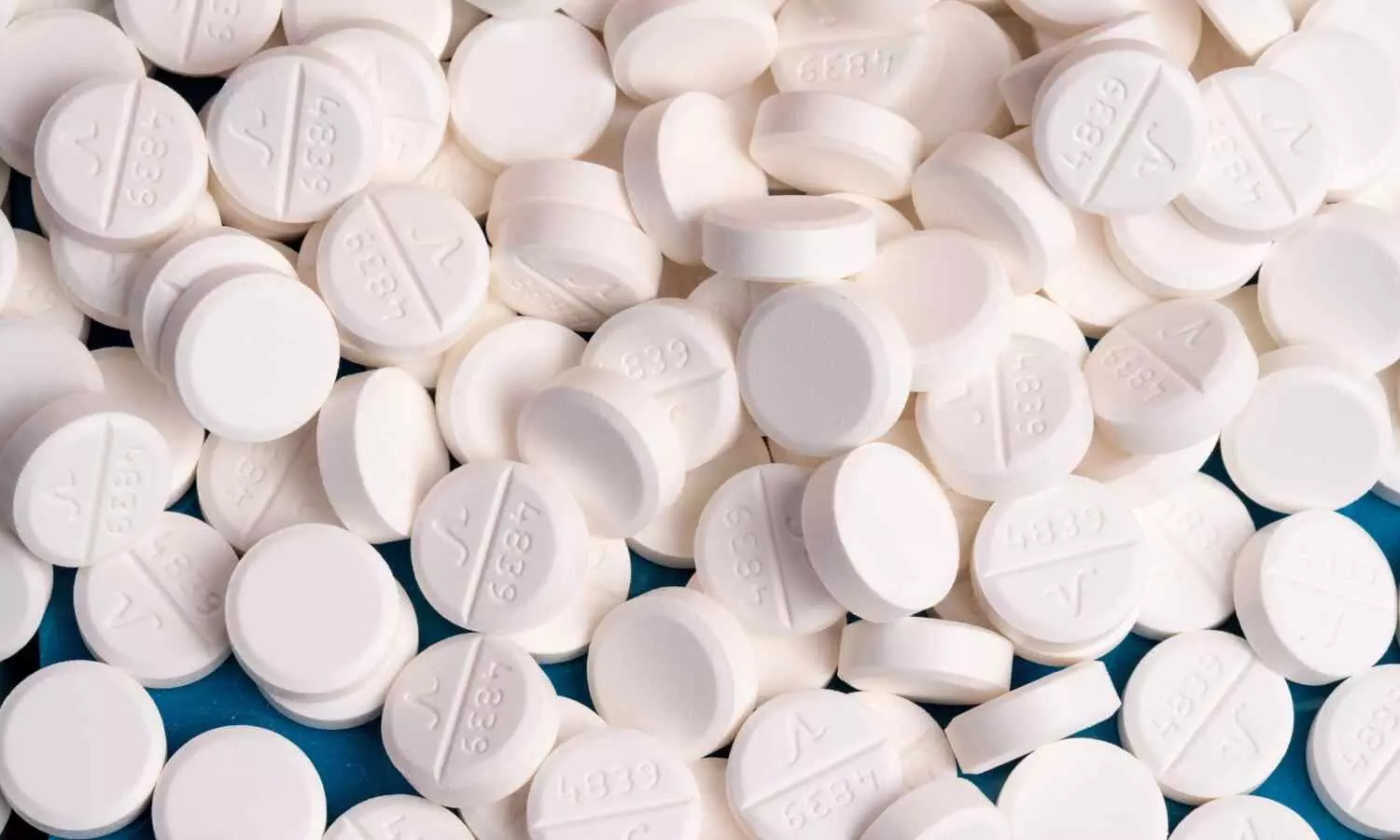


A new study published in the Journal of American Medical Association showed that less than half of eighth-grade students believe that even experimental fentanyl usage is extremely dangerous, indicating that many younger teenagers misunderstand the risks associated with the drug.
The majority of teenage overdose deaths are caused by fentanyl, which is frequently concealed in fake medications. Overdoses are currently the third most common cause of death for young people, having doubled since 2019. Although public knowledge is essential for prevention, little is known about how adolescents perceive the hazards associated with fentanyl. This study offers the first nationally representative data on eighth, tenth, and twelfth graders' perceived fentanyl dangers to inform future public prevention initiatives.
A nationally representative sample of students from the 48 contiguous US states participated in this cross-sectional survey study of eighth, tenth, and twelfth graders in 2025. The students completed questionnaires in class. Answers to questions about the perceived danger of regular, infrequent, and experimental fentanyl usage (tried once or twice). Poisson regression models and multiple imputation were employed in the analyses.
Researchers discovered that the perceived danger of fentanyl usage grows gradually with the student's age and the frequency of drug use in a study including 3,820 teenagers.
Although less than half of eighth graders believe that experimental use carries a "great risk," by the time students reach the 12th grade, the majority of them are aware of the serious risks associated with experimental, occasional, and regular usage.
In terms of demographics, kids in rural regions had the highest risk awareness throughout the eighth and tenth grades, whereas non-Hispanic White students consistently reported the highest levels of perceived danger across all grades and usage situations.
The lowest levels of perceived danger surrounding fentanyl usage were indicated by Hispanic students in the eighth grade, followed by non-Hispanic Black students in the tenth and twelfth grades, illuminating the particular knowledge disparities across younger and minority groups.
Overall, a significant percentage of teenagers in this survey, especially the younger ones, were unaware of the risks associated with fentanyl usage. Teenagers should be made aware of the potentially fatal consequences of fentanyl abuse by clinicians, parents, schools, and public education initiatives.
Source:
Miech, R., Patrick, M. E., Jager, J., & Jang, J. B. (2026). Perceived risk of fentanyl use among US adolescents. JAMA Network Open, 9(7), e2622039. https://doi.org/10.1001/jamanetworkopen.2026.22039