
Nine in Ten Rural Older Adults Have Major TB Risk Factors, Finds Study
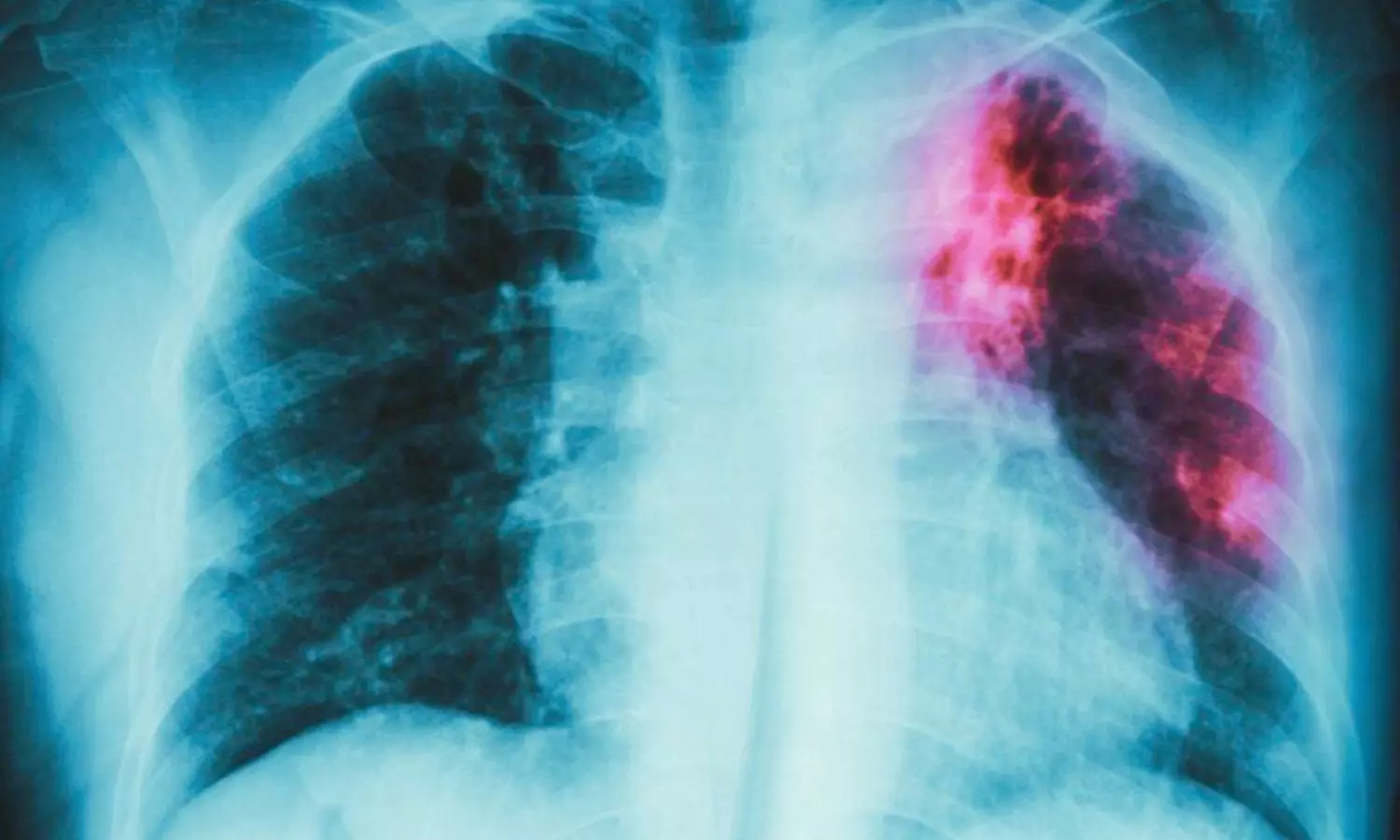


A recent cross-sectional study published in the Indian Journal of Community Medicine in November 2025 highlights an urgent clinical reality: nine out of ten rural older adults harbor at least one major tuberculosis (TB) vulnerability. Given that one-third face multiple concurrent threats, proactive and targeted screening is highly recommended to protect this high-risk demographic.
Older adults account for nearly one-fifth of India's TB cases, with malnutrition and age-related immune decline acting as major drivers. To address local epidemiological gaps, Ravichandran and colleagues at JIPMER investigated the precise prevalence of clinical, nutritional, environmental, and behavioral TB risk factors—including food insecurity—among this aging population.
Therefore, the community-based cross-sectional study, conducted from October 2023 to January 2024 across four rural villages in Puducherry, evaluated primary endpoints of TB risk prevalence and secondary endpoints of food insecurity among 214 older adults (aged 60 years and above), explicitly excluding bedridden individuals unable to stand for anthropometry. Utilizing binomial regression to analyze associations, researchers comprehensively mapped clinical vulnerabilities to better identify high-risk subgroups.
Key Clinical Findings of the Study Includes:
• Nutritional Vulnerability: Researchers observed that 20.1% of the cohort was diagnosed with malnutrition using the Global Leadership Initiative on Malnutrition (GLIM) criteria, compared to only 11.2% identified via the Mini Nutritional Assessment (MNA) scale.
• Metabolic and Environmental Threats: Investigators found that diabetes afflicted 31.8% of the participants, while severe environmental risks were prevalent, with 46.2% living in overcrowded household conditions.
• Behavioral Risk Factors: Scientists reported that tobacco use was present in 30.2% of the elderly population, significantly outweighing alcohol consumption, which was noted in just 6.1% of the cohort.
• Food Security Linkage: Authors determined that household food insecurity, affecting 12.6% of the population, was significantly linked to a two-fold higher prevalence of malnutrition compared to food-secure homes.
• Population-Attributable Fraction (PAF): Clinicians calculated that malnutrition under GLIM criteria carried the highest PAF for TB at 15%, closely followed by diabetes at 11%, stressing their outsized impact.
Thus, the study concludes that healthcare providers may consider routinely integrating comprehensive screening for malnutrition and diabetes into existing tuberculosis programs, gently linking vulnerable older patients with established nutritional rehabilitation and support schemes like the Nikshay Poshan Yojana to strengthen early detection and prevention.
While slight variations in diagnostic parameters and inter-observer differences could mildly influence precise estimations, these insights gracefully pave an attractive path for future research to explore the long-term impact of targeted nutritional interventions on tuberculosis outcomes in aging demographics.
Reference
Ravichandran RS, Subramanian S, Lakshminarayanan S, Senthilkumar GP, Chinnakali P. Risk factors for tuberculosis in elderly: Prevalence and population-attributable risk. Indian J Community Med 2026;51:568-72.
