Popular weight-loss drugs Ozempic and Wegovy may slow biological aging, reports research
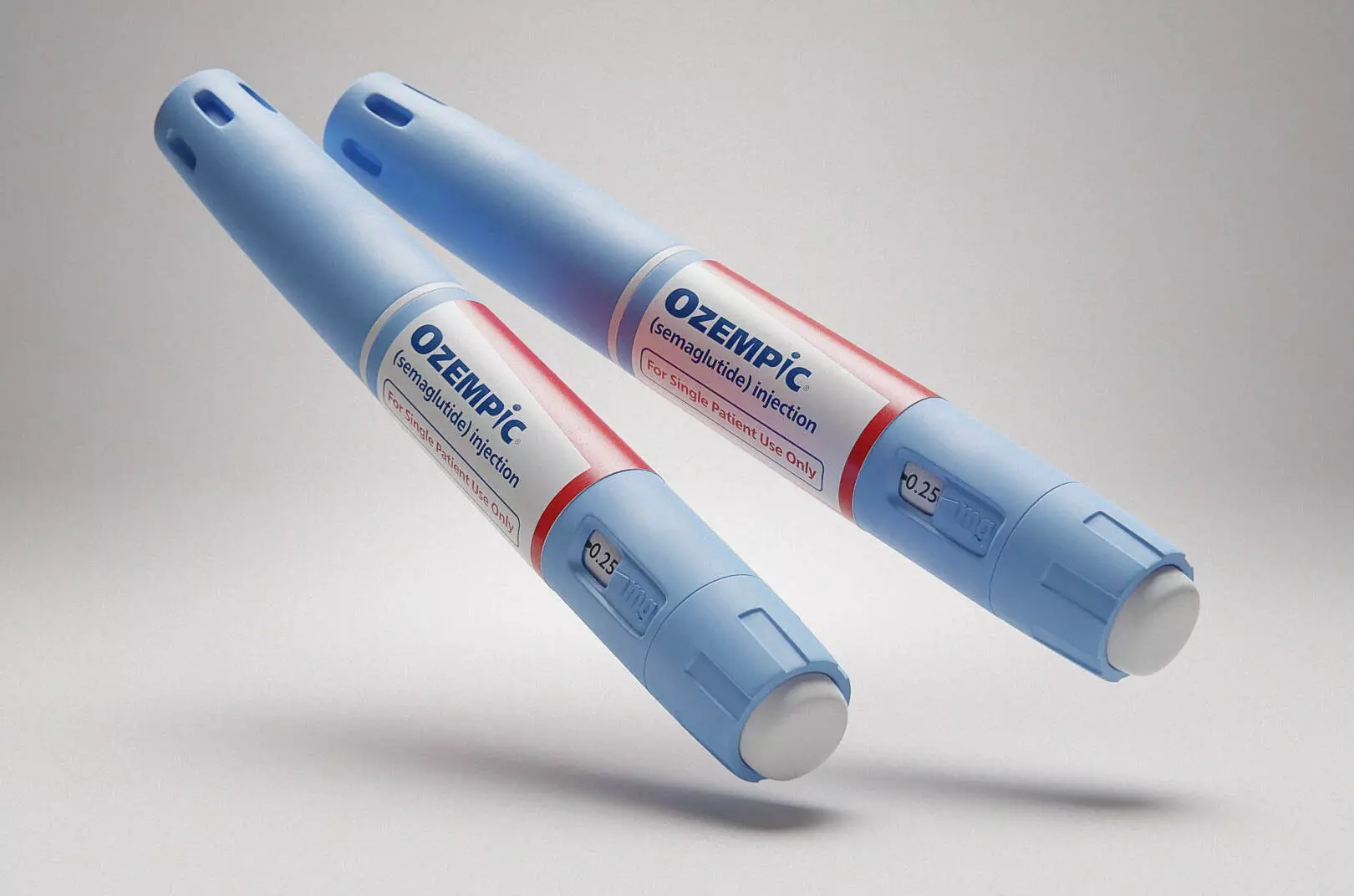


The growing popularity of GLP-1 medications such as Ozempic, Wegovy, and Rybelsus has largely been driven by their ability to help people lose weight, improve blood sugar control, and reduce the risk of cardiovascular disease. Now, researchers have uncovered another possible benefit. A new clinical trial suggests that semaglutide, the active ingredient in those medications, may also help slow some of the biological processes associated with aging.
Published in Nature Communications, the study provides the first randomized, placebo-controlled evidence in humans that semaglutide may slow the buildup of DNA markers linked to biological aging in adults living with HIV.
Semaglutide Slowed Biological Aging Markers
Scientists from the University of California San Diego and collaborating institutions examined data from an earlier clinical trial involving 108 adults with HIV-associated lipohypertrophy, a condition that causes excess fat to accumulate around the abdomen. Roughly half of the participants received weekly semaglutide injections, while the rest were given a placebo for comparison.
To evaluate aging, the researchers relied on several "epigenetic clocks." These tools estimate biological age by measuring DNA methylation, a pattern of chemical tags that influences how genes are switched on or off without changing the DNA sequence itself. Changes in these markers can provide insight into whether the body's cells appear to be aging faster or more slowly than expected.
People living with HIV often experience accelerated biological aging, even when the virus is well controlled with modern antiretroviral therapy, explained first author Michael Corley, PhD, an associate professor at the UC San Diego School of Medicine and the Stein Institute for Research on Aging.
Compared with participants who received placebo injections, those treated with semaglutide showed:
• Slower biological aging across multiple epigenetic clocks tied to inflammation and the health of the blood, brain, heart, kidneys, liver, and metabolism.
• A 9% slower pace of biological aging based on the DunedinPACE epigenetic clock.
• A significant slowing of biological processes linked to age-related disease and all-cause mortality risk, as measured by the PCGrimAge epigenetic clock.
Why Could GLP-1 Drugs Affect Aging?
Researchers believe semaglutide may influence aging through several interconnected pathways.
GLP-1 medications reduce inflammation and improve metabolic health, which can decrease chronic immune activation, one of the major drivers of accelerated aging in people with HIV. They also reduce visceral fat, the fat stored deep around internal organs, as well as ectopic fat that accumulates in places where fat does not normally belong. Lower levels of these harmful fat deposits may reduce inflammatory signals that contribute to aging throughout the body.
"Emerging data also suggest that GLP-1 drugs may reprogram certain cells in different organs, which could help explain why we see effects across multiple aging clocks," said Corley.
Findings Could Extend Beyond People With HIV
Although the research focused on people with HIV-associated lipohypertrophy, the investigators believe the findings could have broader implications.
"Many of the biological processes we study in HIV are also central to aging in the general population," said Corley. "Because these processes can emerge earlier or be more pronounced in people with HIV, this community can help us identify interventions that may improve healthspan more broadly."
Healthspan refers to the number of years a person remains healthy and free from major age-related disease, rather than simply how long they live.
Related Study Found More Signs of Slower Aging
The team also pointed to a pilot study published last month in npj Aging, which examined semaglutide treatment over 24 weeks in people with HIV and metabolic dysfunction-associated steatotic liver disease (MASLD), also known as fatty liver disease.
That study found:
• Biological aging slowed in 42% of participants, based on the DunedinPACE epigenetic clock. Those individuals also experienced greater reductions in liver fat than participants whose biological aging accelerated.
• Aging linked to all-cause mortality risk slowed in 34% of participants, according to the PCGrimAge epigenetic clock.
• Nearly 49% of participants showed longer telomeres, the protective DNA caps at the ends of chromosomes, as measured by the PCDNAmTL epigenetic clock. Those participants also tended to walk faster after treatment, suggesting improvements in physical function.
Together, the two studies add to growing evidence that GLP-1 medications may affect biological pathways involved in aging.
Scientists Urge Caution
Despite the promising findings, the researchers emphasize that semaglutide is not an anti-aging drug.
"We are not saying that semaglutide reverses aging or makes people younger," said Corley. "What we are seeing is a signal that it may slow some of the biological processes associated with aging. With newer GLP-1-based therapies now emerging, the field has an opportunity to test whether different drugs in this class have distinct effects on aging biology and to identify which patients may benefit most."
Much larger clinical trials will be needed to confirm the results, determine how long any benefits last, and identify the most effective treatment schedules for both people with HIV and the broader population. Researchers also want to investigate whether combining GLP-1 medications with healthy habits such as diet, exercise, and quality sleep could produce even greater effects on biological aging.
Looking ahead, the Stein Institute for Research on Aging hopes to use these findings to develop personalized "aging dashboards" based on epigenetic clocks. The goal is to help clinicians monitor biological aging more precisely and design individualized treatments that target the underlying causes of age-related disease.
References:
1, Michael J. Corley, Varun B. Dwaraka, Alina PS Pang, Danielle Labbato, Ryan Smith, Allison Ross Eckard, Grace A. McComsey. Semaglutide slows epigenetic aging in a randomized trial of HIV-associated lipohypertrophy. Nature Communications, 2026; DOI: 10.1038/s41467-026-72861-3
2. Michael J. Corley, Alina P. S. Pang, Douglas W. Kitch, Amy Kantor, Fred Sattler, Pablo F. Belaunzaran-Zamudio, Todd T. Brown, Alan Landay, Jordan E. Lake, Kristine M. Erlandson. Pilot study of epigenetic aging and treatment response to semaglutide in the SLIM LIVER study. npj Aging, 2026; 12 (1) DOI: 10.1038/s41514-026-00383-9