
Medical Dialogues
  • Dermatology
Login Register
This site is intended for healthcare professionals only
Login Register
  • MD Brand Connect
  • Webinars
  • Vaccine Hub
  • MDTV
    • Breaking News
    • Medical News Today
    • Health News Today
    • Latest
    • Journal Club
    • Medico Legal Update
    • Latest Webinars
    • MD Shorts
    • Health Dialogues
  • Fact Check
  • Health Dialogues
Medical Dialogues
  • Medical News & Guidelines
      • Anesthesiology
      • Cardiology and CTVS
      • Critical Care
      • Dentistry
      • Dermatology
      • Diabetes and Endocrinology
      • ENT
      • Gastroenterology
      • Medicine
      • Nephrology
      • Neurology
      • Obstretics-Gynaecology
      • Oncology
      • Ophthalmology
      • Orthopaedics
      • Pediatrics-Neonatology
      • Psychiatry
      • Pulmonology
      • Radiology
      • Surgery
      • Urology
      • Laboratory Medicine
      • Diet
      • Nursing
      • Paramedical
      • Physiotherapy
  • Health news
      • Doctor News
      • Government Policies
      • Hospital & Diagnostics
      • International Health News
      • Medical Organization News
      • Medico Legal News
      • NBE News
      • NMC News
  • Fact Check
      • Bone Health Fact Check
      • Brain Health Fact Check
      • Cancer Related Fact Check
      • Child Care Fact Check
      • Dental and oral health fact check
      • Diabetes and metabolic health fact check
      • Diet and Nutrition Fact Check
      • Eye and ENT Care Fact Check
      • Fitness fact check
      • Gut health fact check
      • Heart health fact check
      • Kidney health fact check
      • Medical education fact check
      • Men's health fact check
      • Respiratory fact check
      • Skin and hair care fact check
      • Vaccine and Immunization fact check
      • Women's health fact check
  • AYUSH
    • Ayurveda
    • Homeopathy
    • Siddha
    • Unani
    • Yoga
  • State News
      • Andaman and Nicobar Islands
      • Andhra Pradesh
      • Arunachal Pradesh
      • Assam
      • Bihar
      • Chandigarh
      • Chattisgarh
      • Dadra and Nagar Haveli
      • Daman and Diu
      • Delhi
      • Goa
      • Gujarat
      • Haryana
      • Himachal Pradesh
      • Jammu & Kashmir
      • Jharkhand
      • Karnataka
      • Kerala
      • Ladakh
      • Lakshadweep
      • Madhya Pradesh
      • Maharashtra
      • Manipur
      • Meghalaya
      • Mizoram
      • Nagaland
      • Odisha
      • Puducherry
      • Punjab
      • Rajasthan
      • Sikkim
      • Tamil Nadu
      • Telangana
      • Tripura
      • Uttar Pradesh
      • Uttrakhand
      • West Bengal
  • Medical Education
      • Ayush Education News
      • Dentistry Education News
      • Medical Admission News
      • Medical Colleges News
      • Medical Courses News
      • Medical Universities News
      • Nursing education News
      • Paramedical Education News
      • Study Abroad
  • Industry
      • Health Investment News
      • Health Startup News
      • Medical Devices News
      • Pharma News
      • Pharmacy Education News
      • AI and healthcare
      • Industry Perspective
  • MDTV
      • Health Dialogues MDTV
      • Health News today MDTV
      • Latest Videos MDTV
      • Latest Webinars MDTV
      • MD shorts MDTV
      • Medical News Today MDTV
      • Medico Legal Update MDTV
      • Top Videos MDTV
      • Health Perspectives MDTV
      • Journal Club MDTV
      • Medical Dialogues Show
This site is intended for healthcare professionals only
LoginRegister
Medical Dialogues
LoginRegister
  • Home
  • Medical news & Guidelines
    • Anesthesiology
    • Cardiology and CTVS
    • Critical Care
    • Dentistry
    • Dermatology
    • Diabetes and Endocrinology
    • ENT
    • Gastroenterology
    • Medicine
    • Nephrology
    • Neurology
    • Obstretics-Gynaecology
    • Oncology
    • Ophthalmology
    • Orthopaedics
    • Pediatrics-Neonatology
    • Psychiatry
    • Pulmonology
    • Radiology
    • Surgery
    • Urology
    • Laboratory Medicine
    • Diet
    • Nursing
    • Paramedical
    • Physiotherapy
  • Health news
    • Doctor News
    • Government Policies
    • Hospital & Diagnostics
    • International Health News
    • Medical Organization News
    • Medico Legal News
    • NBE News
    • NMC News
  • Fact Check
    • Bone Health Fact Check
    • Brain Health Fact Check
    • Cancer Related Fact Check
    • Child Care Fact Check
    • Dental and oral health fact check
    • Diabetes and metabolic health fact check
    • Diet and Nutrition Fact Check
    • Eye and ENT Care Fact Check
    • Fitness fact check
    • Gut health fact check
    • Heart health fact check
    • Kidney health fact check
    • Medical education fact check
    • Men's health fact check
    • Respiratory fact check
    • Skin and hair care fact check
    • Vaccine and Immunization fact check
    • Women's health fact check
  • AYUSH
    • Ayurveda
      • Ayurveda Giuidelines
      • Ayurveda News
      • Top Ayurveda News
    • Homeopathy
      • Homeopathy Guidelines
      • Homeopathy News
    • Siddha
      • Siddha Guidelines
      • Siddha News
    • Unani
      • Unani Guidelines
      • Unani News
    • Yoga
      • Yoga Guidelines
      • Yoga News
  • State News
    • Andaman and Nicobar Islands
    • Andhra Pradesh
    • Arunachal Pradesh
    • Assam
    • Bihar
    • Chandigarh
    • Chattisgarh
    • Dadra and Nagar Haveli
    • Daman and Diu
    • Delhi
    • Goa
    • Gujarat
    • Haryana
    • Himachal Pradesh
    • Jammu & Kashmir
    • Jharkhand
    • Karnataka
    • Kerala
    • Ladakh
    • Lakshadweep
    • Madhya Pradesh
    • Maharashtra
    • Manipur
    • Meghalaya
    • Mizoram
    • Nagaland
    • Odisha
    • Puducherry
    • Punjab
    • Rajasthan
    • Sikkim
    • Tamil Nadu
    • Telangana
    • Tripura
    • Uttar Pradesh
    • Uttrakhand
    • West Bengal
  • Medical Education
    • Ayush Education News
    • Dentistry Education News
    • Medical Admission News
    • Medical Colleges News
    • Medical Courses News
    • Medical Universities News
    • Nursing education News
    • Paramedical Education News
    • Study Abroad
  • Industry
    • Health Investment News
    • Health Startup News
    • Medical Devices News
    • Pharma News
      • CDSCO (Central Drugs Standard Control Organisation) News
    • Pharmacy Education News
    • AI and healthcare
    • Industry Perspective
  • Home
  • Medicine
  • Medicine News
  • Stopping Ozempic may...

Stopping Ozempic may raise heart attack and stroke risk, reveals study
Written By : Dr. Kamal Kant Kohli Published On 2026-09-29T21:30:47+05:30  |  Updated On 29 Sept 2026 9:30 PM IST
Stopping Ozempic may raise heart attack and stroke risk,  reveals study
  • facebook
  • twitter
  • linkedin
  • whatsapp
  • Telegram
  • Email

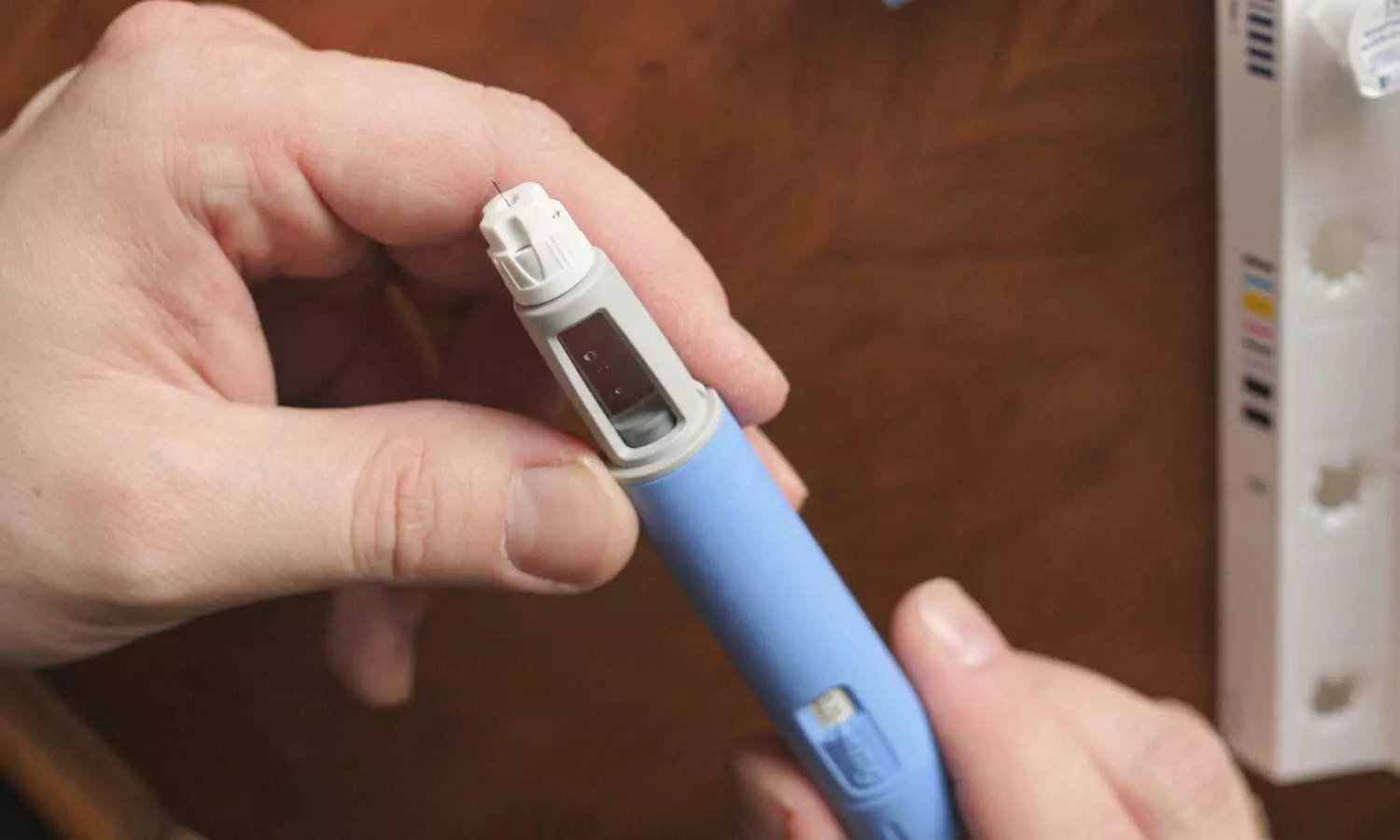
GLP-1 drugs such as semaglutide (Ozempic and Wegovy) and tirzepatide (Mounjaro and Zepbound) have surged in popularity for treating diabetes and helping people lose weight. About one in eight U.S. adults now use these medications, which are also known to provide cardiovascular benefits. But new research suggests that those heart benefits may fade quickly when treatment is stopped.

Researchers at Washington University School of Medicine in St. Louis tracked more than 333,000 U.S. veterans with type 2 diabetes for three years. They found that interrupting or stopping GLP-1 treatment for as little as six months was associated with a meaningful increase in the risk of major cardiovascular events compared with remaining on the medication.

The longer patients stayed off treatment, the greater the increase in risk. After two years without GLP-1 therapy, the risk of heart attack, stroke and death was up to 22% higher than among people who continued treatment, largely wiping out the cardiovascular protection gained while taking the drugs.

The findings, published in BMJ Medicine, suggest that stopping GLP-1 medications may have consequences that extend well beyond weight regain. They also point to the importance of uninterrupted treatment for maintaining heart protection.

"There is enormous exuberance about starting GLP-1 drugs, but not nearly enough attention to what happens when people stop," said senior author Ziyad Al-Aly, MD, a WashU Medicine clinical epidemiologist and chief of the Research and Development Service at the VA Saint Louis Health Care System. "Many quit after a few months because of cost, side effects or shortages. When they stop, it's not just weight that comes back; they experience a resurgence in inflammation, blood pressure, and cholesterol. Weight regain is visible; the metabolic reversal is not."

"Our data suggest this metabolic whiplash is detrimental to heart health," Al-Aly added. "Restarting the medication helped restore some protection, but only partially, showing that discontinuation leaves a lasting scar."

Heart protection depends on continued GLP-1 use

GLP-1 medications include the semaglutide drugs Ozempic and Wegovy and the tirzepatide drugs Mounjaro and Zepbound. After observing that about half of users stop taking GLP-1 drugs not long after beginning treatment, Al-Aly set out to examine what happens to cardiovascular health after therapy is discontinued.

The study focused on major adverse cardiovascular events, including heart attack, stroke and death. Researchers analyzed data from 333,687 veterans with type 2 diabetes. Of those, 132,551 had been prescribed GLP-1 drugs, while 201,136 had been prescribed sulfonylureas, another class of diabetes medications.

Sulfonylureas include glipizide (Glucotrol), glimepiride (Amaryl), and glyburide (Diabeta and others). Participants were followed for up to three years.

Researchers reassessed GLP-1 treatment status every six months. During the study, 26% of GLP-1 users stopped taking the medication altogether. Another roughly 23% experienced a treatment gap lasting at least six months before eventually restarting therapy.

Continuous treatment produced the greatest benefit

The clearest cardiovascular benefit appeared among people who remained on GLP-1 medications throughout the full three-year study period.

Compared with participants taking sulfonylureas, those who consistently stayed on GLP-1 therapy had an 18% lower risk of major cardiovascular events. That translated to about four fewer major cardiovascular events for every 100 people over three years.

Participants who stayed on GLP-1 treatment for two years or two-and-a-half years before stopping for the rest of the study also saw meaningful reductions in risk, at 7% and 15%, respectively.

By contrast, people who discontinued GLP-1 therapy before reaching 18 months showed no significant reduction in cardiovascular risk compared with those taking sulfonylureas by the end of the study.

Treatment gaps weakened heart protection

Interrupting treatment and then restarting it also appeared to reduce the cardiovascular benefit.

People who remained on GLP-1 drugs continuously for three years had an 18% reduction in risk, while those who stopped temporarily and later resumed treatment saw an average reduction of 12%.

Even a six-month interruption before restarting therapy was enough to weaken the benefit. Compared with continuous use, those treatment gaps were associated with a 4% to 8% increase in cardiovascular risk.

Longer periods off the drugs were linked to even greater losses of protection. People who stopped GLP-1 treatment for one year without restarting had a 14% higher risk of cardiovascular events compared with continuous users. After two years off treatment, that increase reached 22%.

The pattern suggests that cardiovascular benefits accumulated during GLP-1 treatment can be lost relatively quickly once the medication is discontinued.

Restarting may not fully restore lost benefits

The findings reinforce the importance of continuous treatment if patients and clinicians want to preserve the cardiovascular effects of GLP-1 therapy. They also suggest that reducing treatment interruptions could help maximize the drugs' protective effects on the heart.

"Clinicians should treat adherence to GLP-1 treatment as an important outcome in its own right -- not an afterthought," Al-Aly said. "Health systems need plans in place to help people continue their medication indefinitely, recognizing that GLP-1s treat chronic conditions. That includes proactive management of side effects, candid conversations about the long-term nature of treatment, infrastructure to identify and support patients at risk of stopping and addressing the cost barriers that make GLP-1 therapy unsustainable for many."

Al-Aly noted that this is especially important because cardiovascular protection from GLP-1 treatment appears to accumulate gradually but disappear much more quickly.

For study participants, spending only one year off the medication was enough to lose benefits that had taken years of continuous treatment to build. Restarting the drug restored some of that protection, but not all of it.

The research was funded by the United States Department of Veterans Affairs. The funders had no role in considering the study design or in the collection, analysis, interpretation of data, writing of the report, or decision to submit the article for publication. The contents do not represent the views of the US Department of Veterans Affairs or the US Government.

Reference: Xie Y, Choi T, Al-Aly Z. Glucagon-like peptide 1 receptor agonist discontinuation and risks of major adverse cardiovascular events in adults with type 2 diabetes: target trial emulation. BMJ Medicine. 2026;5:e002150. https://doi.org/10.1136/bmjmed-2025-002150

BMJ MedicineGLP 1 drugsheart attackstroke
Source : BMJ Medicine
Dr. Kamal Kant Kohli

Dr Kamal Kant Kohli-MBBS, DTCD- a chest specialist with more than 30 years of practice and a flair for writing clinical articles, Dr Kamal Kant Kohli joined Medical Dialogues as a Chief Editor of Medical News. Besides writing articles, as an editor, he proofreads and verifies all the medical content published on Medical Dialogues including those coming from journals, studies,medical conferences,guidelines etc. Email: drkohli@medicaldialogues.in. Contact no. 011-43720751

Print Article
Show Full Article
Next Story

Editorial

Comparing Metoprolol vs. Bisoprolol in Acute Myocardial Infarction (AMI): ESC 2026 Update

Comparing Metoprolol vs. Bisoprolol in Acute Myocardial Infarction (AMI): ESC 2026 Update

Blood Test Accurately Detects Alzheimers Amyloid Pathology in Symptomatic Adults: Latest 2026 Study Findings

Blood Test Accurately Detects Alzheimer's Amyloid Pathology in Symptomatic Adults: Latest 2026 Study...

Ten Years to Dapagliflozin Metformin FDC Approval in India - 10 Key Points to Revisit

Ten Years to Dapagliflozin Metformin FDC Approval in India - 10 Key Points to Revisit

Overcoming the Challenge of Maintaining Weight Reduction

Overcoming the Challenge of Maintaining Weight Reduction

Sympathetic Overactivity: The Driver of Hypertension in Young Indians

Sympathetic Overactivity: The Driver of Hypertension in Young Indians

View All

Journal Club Today

That Fresh Cleaning Smell May Fill Your Home With Harmful Nanoparticles: Study

That Fresh Cleaning Smell May Fill Your Home With Harmful Nanoparticles: Study

View All
© 2022 All Rights Reserved.
Powered By: Hocalwire
X
We use cookies for analytics, advertising and to improve our site. You agree to our use of cookies by continuing to use our site. To know more, see our Cookie Policy and Cookie Settings.Ok