Different Intradialytic Exercise May Offer Diverse Advantages in Physical and Emotional Health of Dialysis Patients: Study
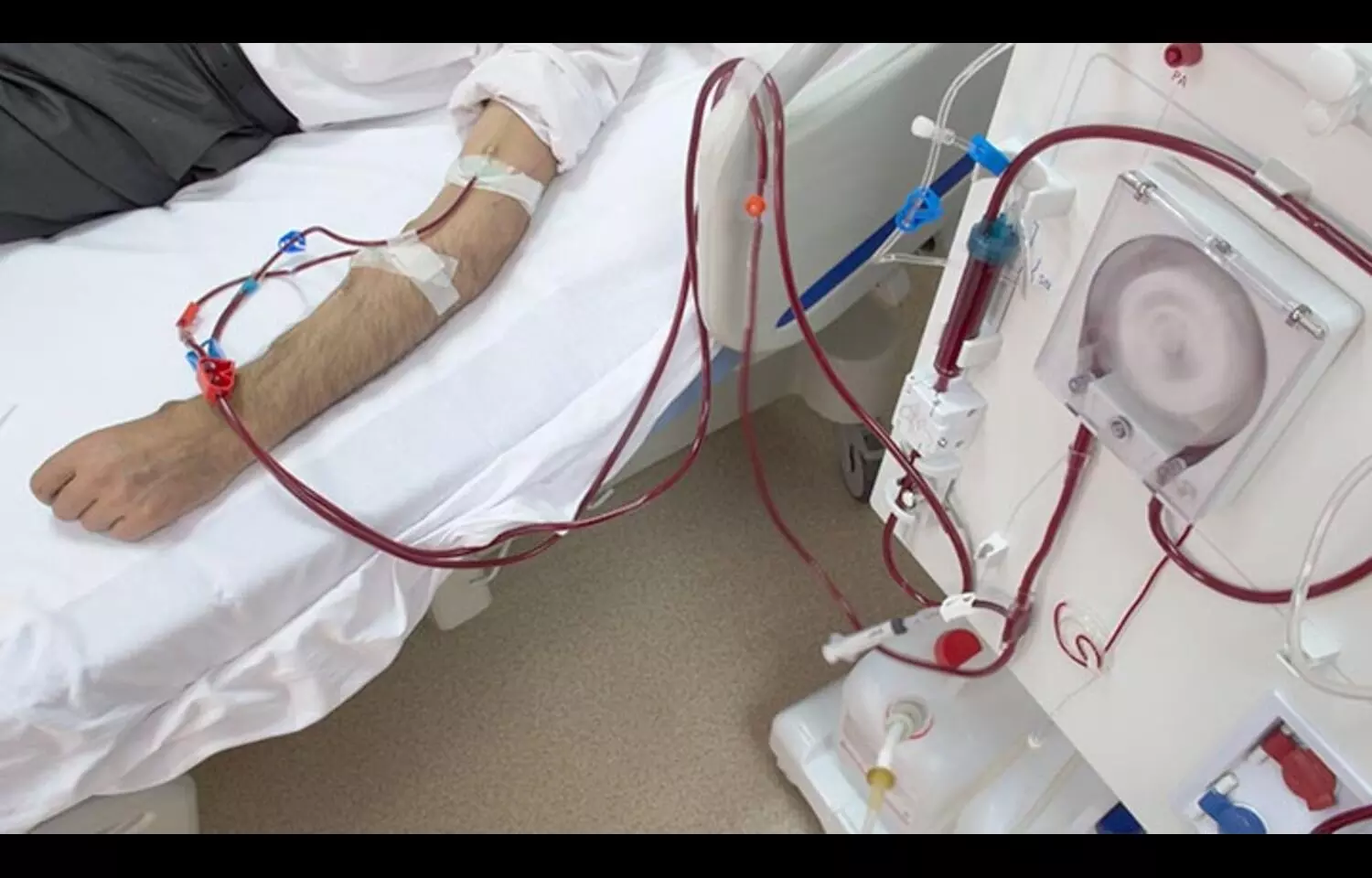


A study evaluating exercise during hemodialysis found that different exercise modalities may offer distinct benefits. Intradialytic resistance exercise showed potential improvements in urea reduction ratio (URR), body mass index (BMI), and emotional role functioning on the SF-36 quality-of-life questionnaire. Flexibility exercises, meanwhile, were associated with improvements in the general health domain of the SF-36.
These findings suggest that resistance and flexibility training may influence physiological and psychosocial outcomes differently in patients undergoing dialysis. Larger studies are needed to determine which exercise approaches are most beneficial for specific patient groups. The study was published in BMC Nephrology by Dilek G. and colleagues.
A prospectively conducted, multi-arm pilot randomized controlled trial design was adopted. The study recruited a well-defined group of 49 patients who were receiving maintenance hemodialysis. The patients were randomly assigned to one of the following three groups: a control group (CG), a flexibility exercise group (FEG), or a resistance exercise group (REG). Both of the exercise modalities were carried out during the first few hours of their usual hemodialysis treatment sessions, and this was done thrice weekly for a precise period of 40 minutes per session over 12 weeks.
The objective parameters measured throughout the study included the fractional urea clearance (Kt/V) as well as the urea reduction ratio (URR). Body composition measurements and health-related quality of life measures were among the secondary and exploratory outcomes assessed. The statistical analyses involved the use of linear mixed effects modeling and non-parametric longitudinal calculations. Considering the pilot nature of this design and its small sample size, an alpha value below 0.10 was considered as indicative of a treatment interaction.
Key findings:
- Randomization and evaluation were accomplished in a total of 49 adults on maintenance hemodialysis.
- Results from group-by-time interactions indicated statistical differences in fractional urea clearance measured by the primary measure of Kt/Vurea (P = 0.047) and in the general measure of overall URR with notable trends (P = 0.063).
- Within groups there were no changes seen in Kt/Vurea; however, a significant independent increase in URR was noted in the resistance exercise group alone (P = 0.017).
- In terms of body mass index, statistical interaction (P = 0.073) was noted as there was a significant reduction in BMI found only in those patients who underwent resistance training.
- Regarding standardized quality-of-life measures, interaction between groups was seen in the Short Form-36 emotional role limitations section (P = 0.043); positive changes were evident in the resistance training group.
- Also noted were interactions in the general health component of the Short Form-36 measure (P = 0.056), with positive improvements seen only in the flexibility exercise group.
Conclusively, resistance training during dialysis had positive signals towards URR, BMI, and SF-36 limitations due to emotional role problems while flexibility training had a positive signal towards SF-36 general health. The research results reveal that different types of exercises have different impacts on psychosocial and physiological parameters. Further research would help determine which type of exercise gives more benefits to patients with different characteristics.
Reference:
Genek, D.G., Arikan, I.I., Gazezoglu, O.U. et al. Effects of intradialytic resistance versus flexibility exercises on clinical outcomes in hemodialysis patients: a pilot randomized controlled trial. BMC Nephrol (2026). https://doi.org/10.1186/s12882-026-05094-7