Elevated Triglycerides Linked to Increased Risk of Kidney Stone Recurrence: Study
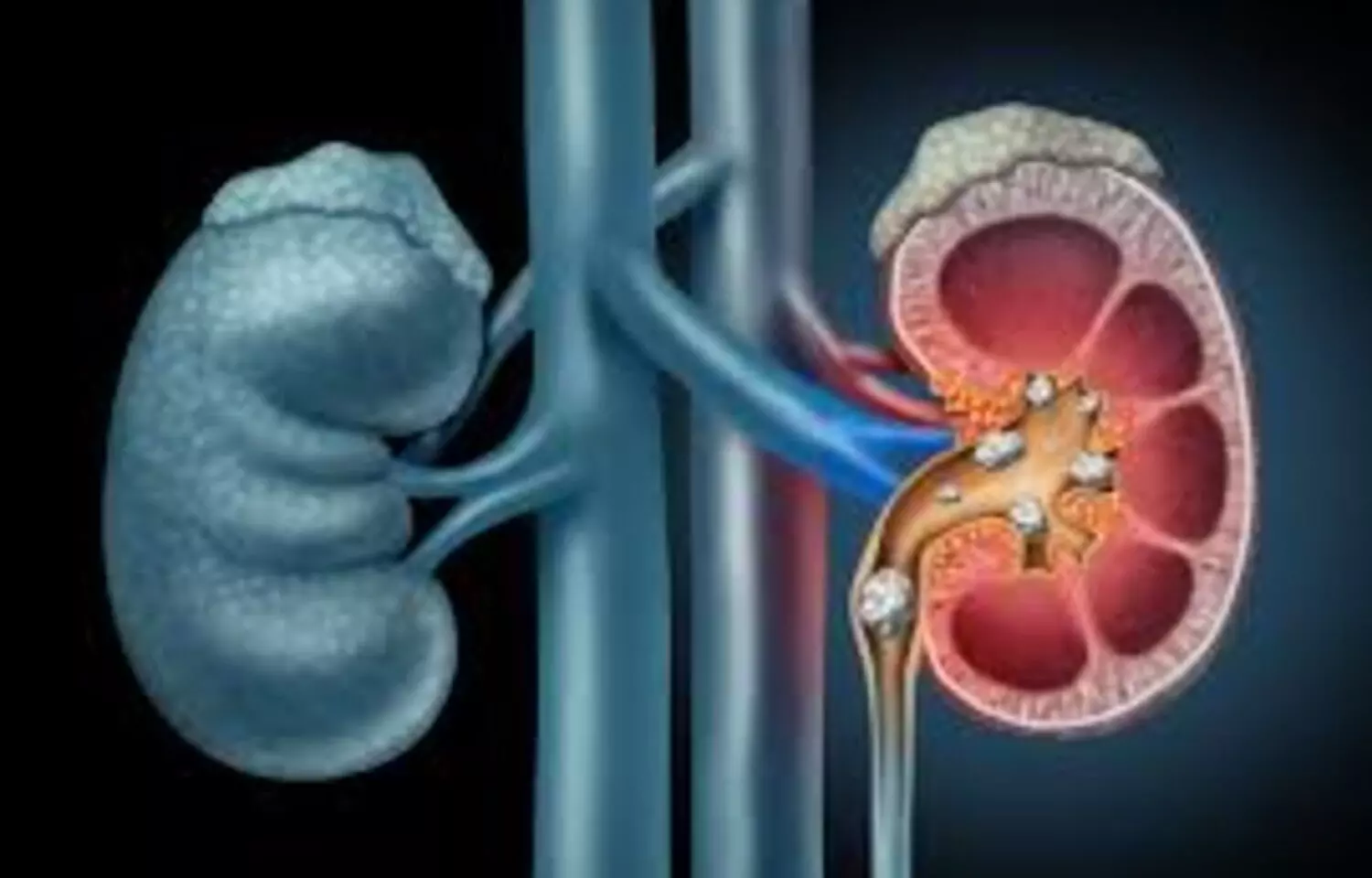


New study has revealed that higher triglyceride levels were associated with an increased risk of recurrent calcium kidney stones, suggesting that dyslipidemia may play a role in stone formation and recurrence. Monitoring and managing triglyceride levels could potentially contribute to reducing the risk of future calcium stone episodes.
Triglyceride (TG) is a known risk factor for kidney stones, but its association with stone recurrence remains unclear. This study aimed to investigate the relationship between serum Triglyceride levels and recurrence of upper urinary tract calcium stones. Patients with upper urinary tract calcium stones hospitalised between May 2021 and August 2024 were retrospectively enrolled. Multivariable logistic regression was applied to evaluate the association between Triglyceride and stone recurrence after adjusting for potential confounders. Restricted cubic spline (RCS) analysis was used to explore dose–response relationships. Subgroup and sensitivity analyses were performed to assess the robustness.
A total of 303 patients were included, with a mean age of 46.44 ± 13.04 years and a mean Triglyceride level of 1.83 ± 1.43 mmol/L. The overall recurrence rate was 45.54%. Recurrence rates varied across Triglyceride quartiles (Q1–Q4: 35.06%, 44.00%, 40.00%, and 63.16%), with the highest rate observed in Q4. Higher TG levels were significantly associated with increased stone recurrence risk. Compared with the lowest quartile, the highest Triglyceride quartile showed a 2.98-fold increased risk (95% CI: 1.42–6.39). RCS analysis demonstrated a linear dose–response relationship. Sensitivity analyses confirmed the robustness of these findings. Elevated triglyceride levels were associated with a higher risk of calcium stone recurrence.
Reference:
Yang, J., Cai, J., Li, Y. et al. Association between triglyceride levels and upper urinary tract calcium stones recurrence. BMC Nephrol (2026). https://doi.org/10.1186/s12882-026-05083-w
KeywordS:
Kidney stones, Upper urinary tract, calcium stones, recurrence,Yang, J., Cai, J., Li, Y, Elevated, Triglycerides, Linked, Increased, Risk, Kidney, Stone, Recurrence, Study