
- Home
- Medical news & Guidelines
- Anesthesiology
- Cardiology and CTVS
- Critical Care
- Dentistry
- Dermatology
- Diabetes and Endocrinology
- ENT
- Gastroenterology
- Medicine
- Nephrology
- Neurology
- Obstretics-Gynaecology
- Oncology
- Ophthalmology
- Orthopaedics
- Pediatrics-Neonatology
- Psychiatry
- Pulmonology
- Radiology
- Surgery
- Urology
- Laboratory Medicine
- Diet
- Nursing
- Paramedical
- Physiotherapy
- Health news
- Fact Check
- Bone Health Fact Check
- Brain Health Fact Check
- Cancer Related Fact Check
- Child Care Fact Check
- Dental and oral health fact check
- Diabetes and metabolic health fact check
- Diet and Nutrition Fact Check
- Eye and ENT Care Fact Check
- Fitness fact check
- Gut health fact check
- Heart health fact check
- Kidney health fact check
- Medical education fact check
- Men's health fact check
- Respiratory fact check
- Skin and hair care fact check
- Vaccine and Immunization fact check
- Women's health fact check
- AYUSH
- State News
- Andaman and Nicobar Islands
- Andhra Pradesh
- Arunachal Pradesh
- Assam
- Bihar
- Chandigarh
- Chattisgarh
- Dadra and Nagar Haveli
- Daman and Diu
- Delhi
- Goa
- Gujarat
- Haryana
- Himachal Pradesh
- Jammu & Kashmir
- Jharkhand
- Karnataka
- Kerala
- Ladakh
- Lakshadweep
- Madhya Pradesh
- Maharashtra
- Manipur
- Meghalaya
- Mizoram
- Nagaland
- Odisha
- Puducherry
- Punjab
- Rajasthan
- Sikkim
- Tamil Nadu
- Telangana
- Tripura
- Uttar Pradesh
- Uttrakhand
- West Bengal
- Medical Education
- Industry
Empagliflozin Linked to Higher Short-Term UTI Risk Than Dapagliflozin: Study
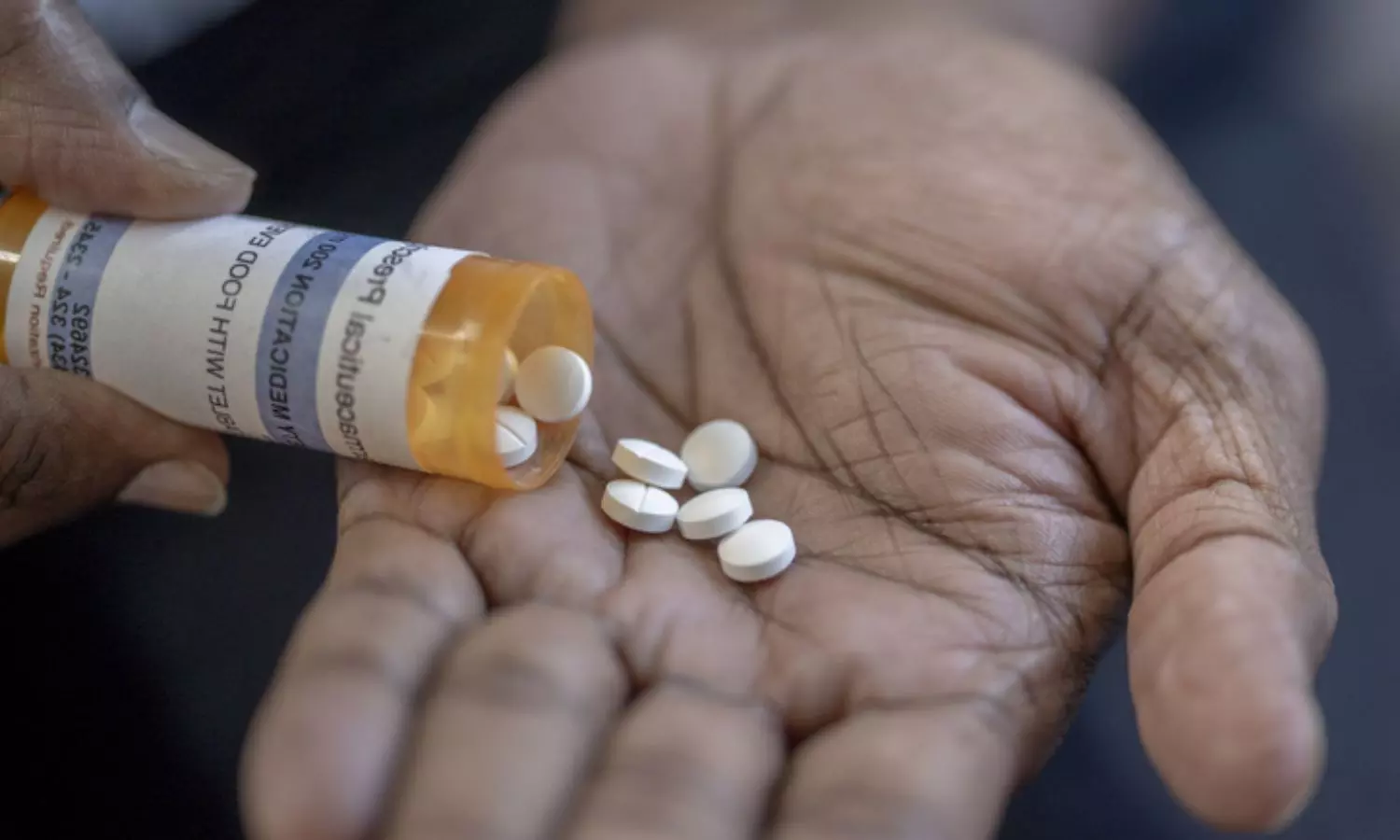
Empagliflozin was associated with a higher short-term incidence of urinary tract infections (UTIs) compared with dapagliflozin, despite similar metabolic outcomes. The findings support monitoring for UTIs in patients receiving SGLT2 inhibitors, particularly those prescribed empagliflozin. The study was published in the International Journal of Endocrinology and Metabolism by Sara K. and colleagues.
To test the incidence rate of UTIs, the study authors utilized a randomized, double-blinded trial of 149 patients of both type 1 and type 2 diabetes mellitus, aged 18 years and above. The study participants were randomized to either be under treatment for 3 months with dapagliflozin 5 mg per day (79 patients) or with empagliflozin 10 mg per day (70 patients). The variables including fasting blood sugar (FBS), glycated hemoglobin (HbA1c), and serum creatinine (Cr) were meticulously obtained before and after the treatment period of 3 months. UTI was detected systematically by laboratory analysis of urine and midstream urine culture. Analysis was performed using SPSS v28.0; significance was set at P < 0.05.
Key findings:
- Quantitative synthesis of trial outcomes across the 149 enrolled participants (mean age 62.7 ± 9.7 years; balanced baseline characteristics) yielded specific comparative safety and efficacy metrics over 3 months.
- Confirmed urinary tract infections occurred in 12 out of 149 total participants (8.1%) during the 3-month study period.
- Among the 79 women treated with dapagliflozin 5 mg daily, 2 patients (2.5%) developed a confirmed UTI.
- Among the 70 women treated with empagliflozin 10 mg daily, 10 patients (14.3%) developed a confirmed UTI.
- Dapagliflozin demonstrated a significantly lower odds of UTI compared to empagliflozin (OR = 0.16; 95% CI, 0.03–0.74; P = 0.009).
- No statistically significant intergroup differences were observed in post-treatment changes for fasting blood sugar (FBS), glycated hemoglobin (HbA1c), or serum creatinine (Cr) levels.
The study results suggest that there is an increased incidence of short-term UTIs in women suffering from diabetes on empirical treatment with empagliflozin, compared to dapagliflozin without compromising its effectiveness on glycemic control and renal function. Conclusions drawn from the study imply that active UTI surveillance and tailored drug choice should be considered while initiating SGLT2 inhibitors, especially empagliflozin.
Reference:
Kazem-Nadi S, Keshtkari S, Labbani-Motlagh Z, Mousavi V. Comparative Incidence of Urinary Tract Infections in Diabetic Women Treated with Dapagliflozin Versus Empagliflozin: A Double-Blind Randomized Clinical Trial. Int J Endocrinol Metab. 2026;24(4):e168824. doi: https://doi.org/10.5812/ijem-168824

**Dr. Kartikeya Kohli** is a Senior Consultant in Internal Medicine at Max Super Speciality Hospital, Saket, New Delhi, with over 15 years of clinical experience. He specializes in Diabetes and Metabolic Medicine, Obesity Management, Hypertension, Cardiovascular Risk Reduction, Kidney Diseases, and Preventive Healthcare. He holds DNB in Medicine and MRCP (UK), with advanced training in Nephrology and postgraduate qualifications in Clinical Endocrinology & Diabetes, Advanced Diabetes Care, and Cardiology & ECG from the Royal College of Physicians. Dr. Kohli is actively involved in medical education and healthcare communication, having organized over 100 CME programmes and authored more than 200 medical articles and clinical updates. He has received several recognitions, including the IMA Distinguished Academician Award, Chikitsa Ratan Award, and Phoenix Award at AICON 2026.
Dr Kamal Kant Kohli-MBBS, DTCD- a chest specialist with more than 30 years of practice and a flair for writing clinical articles, Dr Kamal Kant Kohli joined Medical Dialogues as a Chief Editor of Medical News. Besides writing articles, as an editor, he proofreads and verifies all the medical content published on Medical Dialogues including those coming from journals, studies,medical conferences,guidelines etc. Email: drkohli@medicaldialogues.in. Contact no. 011-43720751

