Exercise may ease stress-related bladder pain and frequent urination: Study
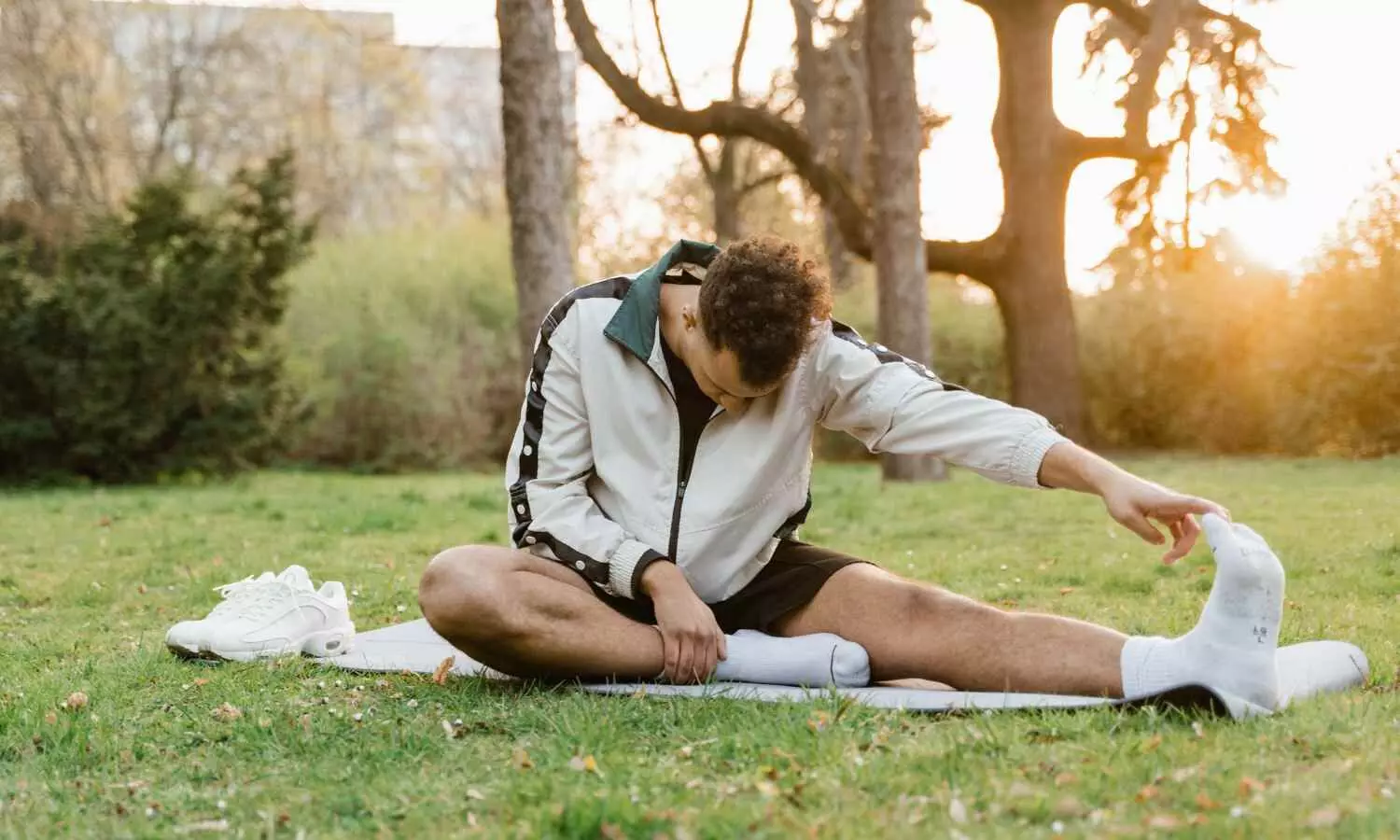


Chronic stress may contribute to the pain and urinary symptoms experienced by people with interstitial cystitis/bladder pain syndrome (IC/BPS) by triggering changes in the bladder and nervous system, according to a preclinical study by Weill Cornell Medicine investigators. IC/BPS, a chronic condition affecting millions, causes pain, pressure or discomfort in the bladder and pelvic area, often accompanied by an urgent or frequent need to urinate.
While stress and anxiety have been linked to urinary symptoms, whether stress can impact the bladder itself was unclear. “Our study shows that stress can cause direct changes to the bladder that contribute to discomfort,” said the study’s senior author Dr. Larissa Rodriguez, chair of the Department of Urology and the James J. Colt Professor of Urology at Weill Cornell and urologist-in-chief at NewYork-Presbyterian/Weill Cornell Medical Center. “We also found that exercise may modulate those changes and could be a non-surgical, non-pharmacologic way of treating some stress-linked urinary tract conditions.”
The new study, published Sept. 23 in Nature Scientific Reports, discovered that chronic stress disrupted the bladder's natural defenses against harmful molecules called reactive oxygen species. These reactive molecules are naturally produced as cells use oxygen to generate energy but can cause damage when they build up faster than the body can remove them.
“Most striking, our study found that voluntary exercise significantly reduced stress-mediated bladder pain and urinary frequency while strengthening bladder tissue,” said first author Shaista Chaudhary, a senior research associate in urology. “If these findings translate to humans, then regular exercise may offer a way to protect bladder health and manage the effects of chronic stress.”
Countering the Biological Effects of Stress
To uncover the underlying biological mechanisms of IC/BPS, Dr. Rodriguez and her colleagues studied an animal model of chronic stress. They observed that stressed animals had more bladder sensitivity and urinated more frequently.
In addition to oxidative damage, they found that stressed animals had increased activated immune cells called mast cells, which can promote inflammation and weaken the bladder's protective lining. When this barrier becomes permeable, substances in urine may irritate nerves in the bladder wall, contributing to pain and the urgent need to urinate.
Since exercise can reduce the effects of stress on the body, the researchers gave the stressed animal models voluntary access to exercise wheels for three weeks.
“We saw that many biological changes started to get better, including oxidative damage,” Dr. Rodriguez said. “The bladder lining became less permeable but did not completely return to normal. Inflammation and the immune response decreased, as did urinary symptoms and pain.”
Additional research is needed to determine how directly these mechanisms apply to people with IC/BPS. Dr. Rodriguez and her team are assessing the relationship between stress and pain in female patients using questionnaires and urine sample analyses.
They are planning a future clinical trial to determine whether women experiencing stress-linked urinary symptoms benefit from exercise and which types are most effective. She noted that some high-intensity exercises, like marathon running or interval training, might increase stress on the body, so they will likely assess more moderate regimens, like resistance training.
Reference:
Chaudhary, S., Balkaya, M. & Rodriguez, L.V. Exercise decreases stress induced bladder hyperalgesia, voiding frequency and oxidative load. Sci Rep 16, 29015 (2026). https://doi.org/10.1038/s41598-026-66383-7