Hemodialysis-Related Allergic Reactions: Causes and Management
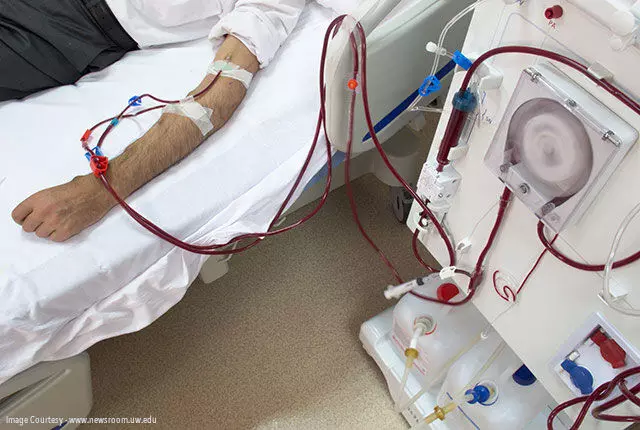


A new study published in the journal of BMC Nephrology showed that the most prevalent causes of allergic responses during hemodialysis include residual ethylene oxide in dialysis equipment, hypersensitivity to dialyzer membranes, and, less frequently, the anticoagulant Nafamostat Mesylate.
From minor itching to potentially fatal anaphylaxis, hemodialysis-related allergic responses present serious therapeutic problems. Usually, blood exposure to dialyzer membranes, sterilizing chemicals like ethylene oxide, or anticoagulants causes these hypersensitivity reactions. Early detection of these responses is essential for prompt treatment, avoiding serious cardiovascular or pulmonary issues, and guaranteeing patient safety throughout renal replacement therapy. The purpose of this study was to look at the causes, clinical signs, treatment options, and clinical results of allergic reactions associated with hemodialysis.
Clinical data from patients who had allergic reactions associated to hemodialysis at the Affiliated Hospital of Jiangnan University between January 2020 and December 2025 were analyzed in a retrospective cohort study. The control group consisted of patients on maintenance hemodialysis who had never experienced these adverse reactions before. Their response patterns and clinical traits were methodically examined.
The research group consisted of 40 instances of allergic responses associated to hemodialysis. 25 patients (62.5%) had isolated pruritus and skin rash; 4 had hemodialysis-related leukopenia and thrombocytopenia (10.0%); 5 had severe anaphylactic reactions (12.5%); and 5 had atypical hemodialysis-related allergic reactions (12.5%), which included hypotension within ten minutes of starting hemodialysis, malaise, nausea, and vomiting.
Hypersensitivity to the hemodialyzer membrane (n = 11, 27.5%), AVF needle kits and hemodialysis extracorporeal circuit tubing (Ethylene Oxide Residue) (n = 27, 67.5%), and Nafamostat Mesylate (n = 2, 5%) were the most common etiological variables found.
The principal defense against EO-induced hypersensitivity continued to be thorough saline pre-rinsing of the extracorporeal circuit. Dialyzer hypersensitivity reactions were successfully avoided by switching to irradiated-sterilized acetate-membrane or wet-membrane dialyzers. The injection of glucocorticoids proved successful in reducing severe anaphylactic responses.
When compared to the control group, patients in the study group showed considerably lower hemoglobin levels and serum albumin concentrations, as well as significantly higher plasma eosinophil counts and C-reactive protein concentrations.
Overall, the main causes of hemodialysis-related allergic reactions include residual ethylene oxide in extracorporeal circuit components, hypersensitivity reactions to dialyzer membranes, and rarely, Nafamostat Mesylate given during the treatment. The glucocorticoid injections proved successful in reducing severe anaphylactic responses. Recurrent allergic responses during hemodialysis may be linked to a long-term micro-inflammatory condition.
Reference:
Lu, J.-Y., Ke, Q., Li, J., Lv, W.-Q., Wang, R.-Y., & Li, C.-Q. (2026). Hemodialysis-related allergic reactions: a retrospective cohort study of clinical presentations, etiologies, and management. BMC Nephrology. https://doi.org/10.1186/s12882-026-05075-w