
Rituximab, Cyclophosphamide and Tacrolimus Show Similar Initial Remission in Membranous Nephropathy: Study
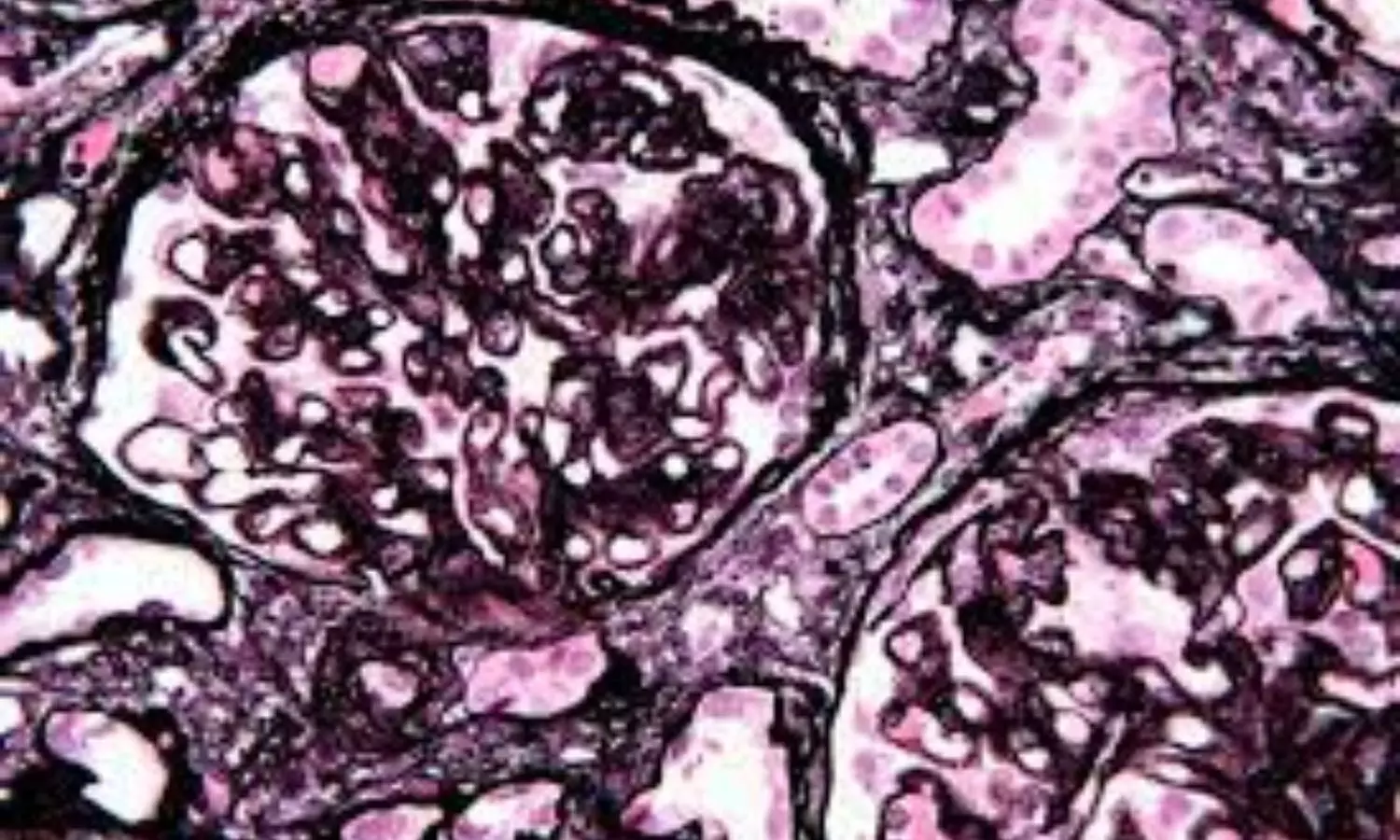


A recent retrospective study published in the Indian Journal of Nephrology in July 2026 reveals that while rituximab, cyclophosphamide, and tacrolimus achieve a comparable 77.1% initial remission rate for primary membranous nephropathy, their long-term safety and disease-control durability diverge significantly.
Primary MN remains a predominant cause of adult nephrotic syndrome, but because very few comprehensive studies from India have evaluated the comparative efficacy of these standard therapies, a notable clinical gap exists regarding optimal long-term disease management. To elegantly address this, Dr. Mahesh Eshwarappa from M S Ramaiah Medical College in Bengaluru, along with his colleagues, aimed to meticulously analyze the clinicopathological profile, safety, and long-term renal outcomes of various immunosuppressive regimens in this specific patient population.
Therefore, in the 15-year study, researchers evaluated 153 adults with primary membranous nephropathy. They tracked 116 moderate-to-high-risk patients for an average of 7.5 years to compare how rituximab, cyclophosphamide, and tacrolimus impacted remission, relapses, and progression to chronic kidney disease.
Key clinical findings of the study includes:
• Comparable Initial Remission: The study found no statistically significant difference in overall remission rates among the groups at one year, recording 75% for RTX, 75% for CTX, and 80% for TAC.
• Superior Long-Term Durability: The study demonstrated that CTX produced the most durable long-term remissions, allowing a substantial proportion of patients, up to 50%, to maintain stable disease control without requiring additional immunosuppressive treatments.
• Increased Relapse Risk: The study revealed that despite strong early therapeutic responses, TAC was associated with a notable 2.8-fold higher risk of disease relapse compared to RTX (p = 0.018), frequently necessitating second-line alternative therapies.
• Favorable Safety Profile: The study established that RTX offered an excellent intermediate treatment pattern, perfectly pairing good remission durability with a markedly better safety profile concerning both infectious and non-infectious adverse events compared to the other regimens.
The results suggest that while RTX, CTX, and TAC are equally effective in inducing short-term remission, CTX provides the greatest long-term durability, whereas RTX effectively balances sustained remission with an optimally superior patient safety profile.
Thus, the study concludes that clinicians might thoughtfully consider these diverse therapeutic profiles to individualize immunosuppressive choices, gently weighing the immediate need for durable long-term disease control against the potential risk of subsequent relapses and treatment-related adverse events.
While the retrospective design, lack of therapeutic randomization, and incomplete baseline anti-PLA2R antibody testing represent inherent limitations, they gracefully highlight the promising need for future prospective research to further refine risk stratification and optimize personalized treatment monitoring in this patient demographic.
Reference
Eshwarappa M, George J, Tyagi P, Prabhu PP, Gurudev KC, Girish MS, Rajashekar, Yusuf M, Hamsa V. Clinical Profile and Long-Term Outcomes of Patients with Primary Membranous Nephropathy: A Comparison of Different Immunosuppressive Therapies. Indian Journal of Nephrology. 2026.
