
SGLT2 Inhibitors Show Superior Kidney Outcomes Compared to GLP-1 Receptor Agonists: JAMA
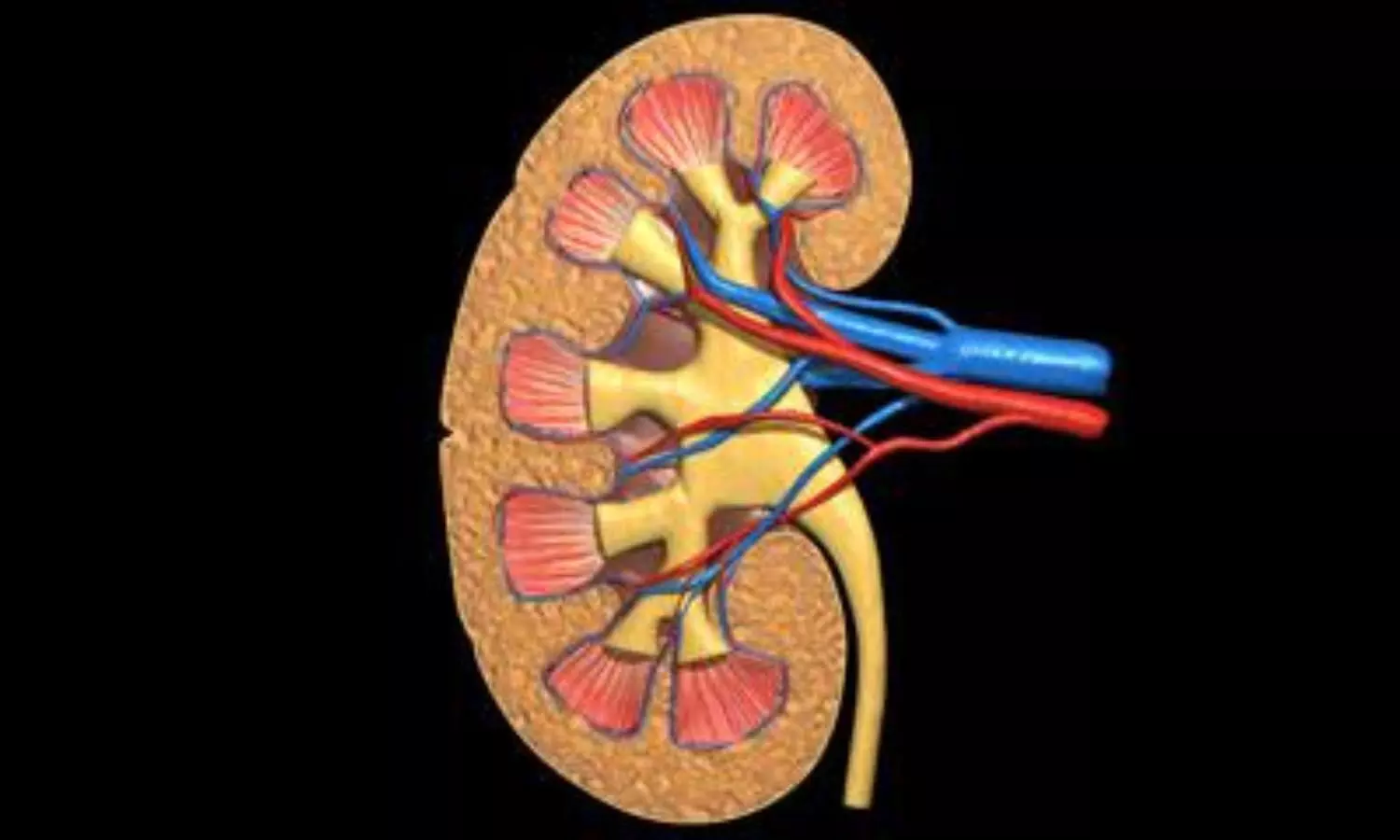


A new study published in the Journal of American Medical Association showed that when renal protection is a primary therapeutic objective, starting treatment with an SGLT2 inhibitor (SGLT2i) is linked to better kidney outcomes in people with type 2 diabetes than starting a GLP-1 receptor agonist (GLP-1RA).
The efficacy of GLP-1RA and sodium-glucose cotransporter-2 inhibitor (SGLT2i) in lowering acute and chronic renal outcomes has not been directly evaluated in a randomized clinical trial. Thus, this study compared the efficacy of GLP-1RA and SGLT2i therapy for both acute and long-term renal outcomes in people with type 2 diabetes.
Denmark's national population-based data were used in this comparative effectiveness analysis using a target trial emulation design. Participants were people with type 2 diabetes treated with metformin who started using SGLT2i or GLP-1RA between January 2014 and November 2020, with follow-up continuing until October 2024. Acute kidney injury (AKI) and chronic kidney disease (CKD; 40% decrease in estimated glomerular filtration rate [eGFR], significant albuminuria, or kidney failure) were the two major outcomes.
Death, albuminuria, and the distinct elements of CKD were secondary outcomes. Inverse probability of treatment weights were used to estimate intention-to-treat effects. The Aalen-Johansen estimator was used to compare CKD risks, and mean cumulative counts were used to measure the burden of AKI. Stratification by preexisting kidney or cardiovascular disease was one of the subgroup analyses.
The trial comprised 18 782 people who started a GLP-1RA and 36 279 people who started an SGLT2i, with similar estimated glomerular filtration rate (eGFR), urine albumin-creatinine ratios, and diabetes duration. For SGLT2i initiators and GLP-1RA initiators, the weighted 5-year risk of CKD was 6.7% and 8.2%, respectively. For SGLT2i initiators, the 5-year MCC of AKI per 100 people was 25.2 (95% CI, 24.4-26.1) and for GLP-1RA initiators, it was 28.7 (95% CI, 27.4-30.0) (MCC ratio: 0.88 [95% CI, 0.83-0.93]; MCC difference: −3.5 [95% CI, −5.0 to −2.0]).
On the other hand, GLP-1RA initiators experienced a modest decrease in the secondary outcomes of albuminuria and death. The results were consistent across categories, with those without prior renal disease showing the greatest decreases in CKD and AKI with SGLT2i. Overall, this comparative effectiveness analysis using population-based target trial emulation shows that SGLT2i initiation is associated with reduced risks of acute and chronic renal outcomes than GLP-1RA initiation.
Source:
Jensen, S. K., Heide-Jørgensen, U., Andersen, I. T., Bonnesen, K., Fu, E. L., Thomsen, R. W., & Christiansen, C. F. (2026). SGLT2 inhibitors vs GLP-1 receptor agonists for kidney outcomes in individuals with type 2 diabetes. JAMA Internal Medicine. https://doi.org/10.1001/jamainternmed.2025.7409

