
Silent Adrenal Insufficiency Persists in most Children After stopping Steroid Therapy for Nephrotic Syndrome: Study
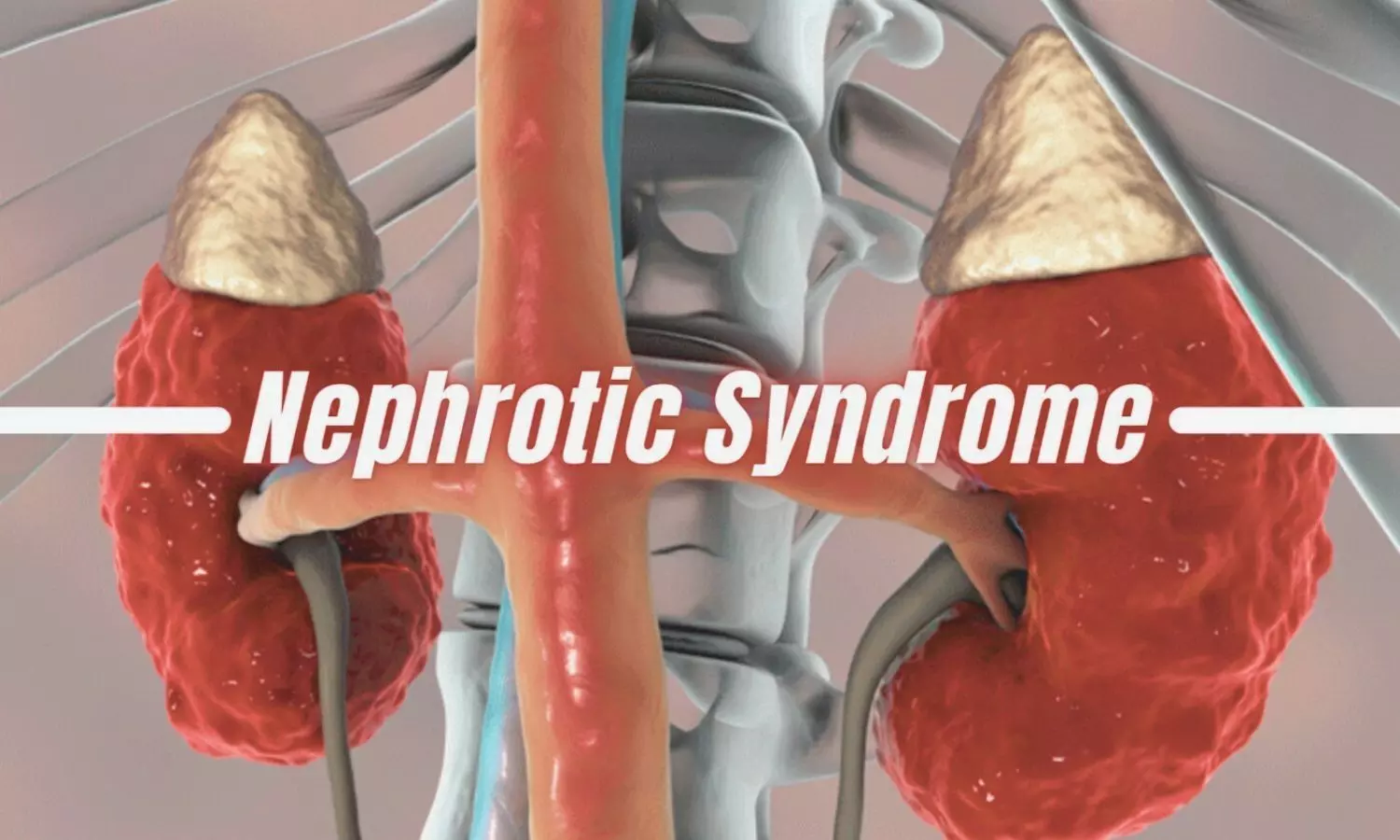


A recent cross-sectional study published in the Indian Journal of Endocrinology and Metabolism in August 2025 reveals that an alarming 71.2% of children with Nephrotic Syndrome continue to experience silent, yet clinically significant, adrenal insufficiency 4 to 12 weeks after stopping alternate-day steroid therapy.
Previous research primarily evaluated glucocorticoid-induced adrenal insufficiency (GIAI) within a short 4 to 6-week window post-treatment. To address the clinical gap regarding prolonged hormonal suppression, Dr. Kapila and colleagues at the University College of Medical Sciences, New Delhi, aimed to determine the prevalence of AI and its correlation with clinical signs of steroid toxicity in children with nephrotic syndrome 4 to 12 weeks after stopping steroid therapy.
Therefore, the cross-sectional study evaluated 73 children (ages 1–12) with steroid-sensitive nephrotic syndrome who were in remission and had been off steroids for 4 to 12 weeks. Excluding patients with steroid-resistant disease or ongoing steroid use, researchers diagnosed adrenal insufficiency based on two endpoints: an 8 AM baseline serum cortisol of <5 mcg/dL or a 30-minute post-stimulation cortisol of <18 mcg/dL following a 1 mcg intravenous low-dose ACTH test.
Key Clinical Findings of he Study Includes:
• High Post-Therapy Prevalence: Investigators found that an overwhelming 52 out of 73 pediatric participants (71.2%) met the strict criteria for AI weeks after completing their prescribed alternate-day steroid regimens.
• Superior Diagnostic Sensitivity: Researchers demonstrated that the Low-Dose Adrenocorticotropin Stimulation Test (LDST) profoundly outperformed standard baseline morning evaluations, successfully capturing 16 cases of profound adrenal dysfunction that presented with deceptively normal 8 AM cortisol metrics.
• Physical Toxicity Predictors: Scientists revealed that young patients physically manifesting cushingoid facies or a distinct moon face carried 4.96 times higher clinical odds of harboring underlying adrenal suppression compared to those devoid of structural steroid toxicity signs.
• Disease Relapse Correlation: Authors uncovered that children saddled with confirmed AI experienced a statistically significant increase in cumulative disease relapses, averaging 2.13 episodes compared to a mere 0.76 episodes among their unaffected counterparts.
The results suggest a remarkably high and sustained persistence of subclinical AI (71.2%) extending long after the complete withdrawal of glucocorticoids, emphasizing that diagnostic reliance solely on baseline morning cortisol levels will inevitably miss a significant proportion of compromised patients.
Thus, the study concludes that it could be highly beneficial for treating clinicians to maintain a heightened index of suspicion by utilizing clinical markers like cushingoid features to proactively guide diagnostic LDST, ultimately ensuring that vulnerable children promptly receive appropriate stress-dose corticosteroid coverage during subsequent periods of physiological illness.
Although the inclusion of both first-episode patients and frequent relapsers introduced an element of population heterogeneity into the dataset without the benefit of longitudinal tracking, it gently underscores a valuable opportunity for future prospective research to singularly focus on monitoring homogenous first-episode cohorts to map the true natural history and resolution timeline of this drug-induced suppression.
Reference
Kapila A, Singh A, Raizada N, Aggarwal A. Adrenal insufficiency after steroid therapy in children with steroid‑sensitive nephrotic syndrome: A cross‑sectional study. Indian J Endocr Metab 2025;29:423‑8.
