
Subcutaneous Epoetin as Effective as IV, More Dose-Efficient in Hemodialysis Patients: Study
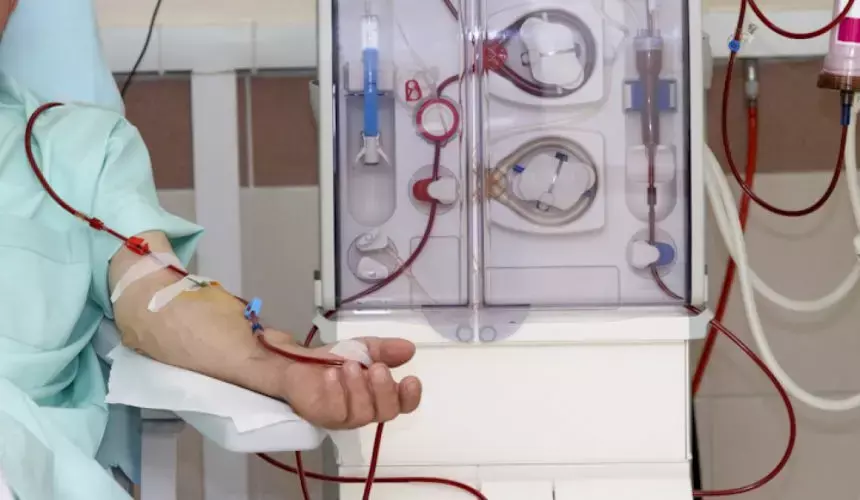


A new study published in the journal of BMC Nephrology showed that subcutaneous and intravenous epoetin showed similar effectiveness in hemodialysis patients from China's southwest plateau areas.
One of the most frequent side effects of chronic kidney disease (CKD) is anemia, especially in patients on maintenance hemodialysis. In addition to elements like iron shortage, persistent inflammation, and decreased red blood cell survival, it is mainly caused by the sick kidneys' decreased synthesis of erythropoietin.
Recombinant human erythropoietin (EPO), which may be given intravenously (IV) or subcutaneously (SC), is frequently used to treat anemia in hemodialysis patients. Environmental hypoxia may also affect hemoglobin regulation, erythropoiesis, and the reaction to erythropoietin treatment in plateau or high-altitude areas.
The treatment of anemia during hemodialysis may be impacted by the physiological changes that patients in these regions frequently display in response to decreased oxygen supply. Although erythropoietin is widely used, few studies have directly examined the safety and efficacy of IV versus SC treatment in plateau populations.
To maximize anemia control, increase treatment effectiveness, and direct clinical decision-making in these particular environmental circumstances, it is crucial to assess and compare the clinical results of these two delivery methods in hemodialysis patients living in plateau regions. Thus, this study examined the occurrence of adverse events following IV and SC injection of epoetin in hemodialysis patients in the southwestern China plateau region.
Between January 1, 2023, and December 31, 2023, researchers carried out a multicenter, retrospective cohort research with 5896 adult patients. They examined the epoetin dose and adverse event incidence across the two delivery methods (subcutaneous and intravenous) throughout a one-year follow-up period after using propensity score matching to ensure there were no statistically significant changes in the baseline data.
Higher dosages of epoetin were needed for the intravenous group. Although rates were similar after a year, the intravenous group attained a greater rate of hemoglobin attainment (Hb > 110 g/L) in the near term than the subcutaneous group. Within a year, the subcutaneous group's serum potassium levels decreased.
Hemoglobin levels and the frequency of adverse events were comparable in both groups. Overall, both subcutaneous and intravenous epoetin administration are equally effective for hemodialysis patients in China's southwestern plateau areas. However, subcutaneous treatment is more dose-efficient and may be more useful in clinical settings.
Source:
Li, Y., Yang, C., Xu, J., Li, D., Xu, M., & Zhou, Z. (2026). Comparison the clinical outcomes of intravenous and subcutaneous erythropoietin administration in hemodialysis patients of plateau regions. BMC Nephrology. https://doi.org/10.1186/s12882-026-04790-8

