
Medical Dialogues
  • Dermatology
Login Register
This site is intended for healthcare professionals only
Login Register
  • MD Brand Connect
  • Webinars
  • Vaccine Hub
  • MDTV
    • Breaking News
    • Medical News Today
    • Health News Today
    • Latest
    • Journal Club
    • Medico Legal Update
    • Latest Webinars
    • MD Shorts
    • Health Dialogues
  • Fact Check
  • Health Dialogues
Medical Dialogues
  • Medical News & Guidelines
      • Anesthesiology
      • Cardiology and CTVS
      • Critical Care
      • Dentistry
      • Dermatology
      • Diabetes and Endocrinology
      • ENT
      • Gastroenterology
      • Medicine
      • Nephrology
      • Neurology
      • Obstretics-Gynaecology
      • Oncology
      • Ophthalmology
      • Orthopaedics
      • Pediatrics-Neonatology
      • Psychiatry
      • Pulmonology
      • Radiology
      • Surgery
      • Urology
      • Laboratory Medicine
      • Diet
      • Nursing
      • Paramedical
      • Physiotherapy
  • Health news
      • Doctor News
      • Government Policies
      • Hospital & Diagnostics
      • International Health News
      • Medical Organization News
      • Medico Legal News
      • NBE News
      • NMC News
  • Fact Check
      • Bone Health Fact Check
      • Brain Health Fact Check
      • Cancer Related Fact Check
      • Child Care Fact Check
      • Dental and oral health fact check
      • Diabetes and metabolic health fact check
      • Diet and Nutrition Fact Check
      • Eye and ENT Care Fact Check
      • Fitness fact check
      • Gut health fact check
      • Heart health fact check
      • Kidney health fact check
      • Medical education fact check
      • Men's health fact check
      • Respiratory fact check
      • Skin and hair care fact check
      • Vaccine and Immunization fact check
      • Women's health fact check
  • AYUSH
    • Ayurveda
    • Homeopathy
    • Siddha
    • Unani
    • Yoga
  • State News
      • Andaman and Nicobar Islands
      • Andhra Pradesh
      • Arunachal Pradesh
      • Assam
      • Bihar
      • Chandigarh
      • Chattisgarh
      • Dadra and Nagar Haveli
      • Daman and Diu
      • Delhi
      • Goa
      • Gujarat
      • Haryana
      • Himachal Pradesh
      • Jammu & Kashmir
      • Jharkhand
      • Karnataka
      • Kerala
      • Ladakh
      • Lakshadweep
      • Madhya Pradesh
      • Maharashtra
      • Manipur
      • Meghalaya
      • Mizoram
      • Nagaland
      • Odisha
      • Puducherry
      • Punjab
      • Rajasthan
      • Sikkim
      • Tamil Nadu
      • Telangana
      • Tripura
      • Uttar Pradesh
      • Uttrakhand
      • West Bengal
  • Medical Education
      • Ayush Education News
      • Dentistry Education News
      • Medical Admission News
      • Medical Colleges News
      • Medical Courses News
      • Medical Universities News
      • Nursing education News
      • Paramedical Education News
      • Study Abroad
  • Industry
      • Health Investment News
      • Health Startup News
      • Medical Devices News
      • Pharma News
      • Pharmacy Education News
      • AI and healthcare
      • Industry Perspective
  • MDTV
      • Health Dialogues MDTV
      • Health News today MDTV
      • Latest Videos MDTV
      • Latest Webinars MDTV
      • MD shorts MDTV
      • Medical News Today MDTV
      • Medico Legal Update MDTV
      • Top Videos MDTV
      • Health Perspectives MDTV
      • Journal Club MDTV
      • Medical Dialogues Show
This site is intended for healthcare professionals only
LoginRegister
Medical Dialogues
LoginRegister
  • Home
  • Medical news & Guidelines
    • Anesthesiology
    • Cardiology and CTVS
    • Critical Care
    • Dentistry
    • Dermatology
    • Diabetes and Endocrinology
    • ENT
    • Gastroenterology
    • Medicine
    • Nephrology
    • Neurology
    • Obstretics-Gynaecology
    • Oncology
    • Ophthalmology
    • Orthopaedics
    • Pediatrics-Neonatology
    • Psychiatry
    • Pulmonology
    • Radiology
    • Surgery
    • Urology
    • Laboratory Medicine
    • Diet
    • Nursing
    • Paramedical
    • Physiotherapy
  • Health news
    • Doctor News
    • Government Policies
    • Hospital & Diagnostics
    • International Health News
    • Medical Organization News
    • Medico Legal News
    • NBE News
    • NMC News
  • Fact Check
    • Bone Health Fact Check
    • Brain Health Fact Check
    • Cancer Related Fact Check
    • Child Care Fact Check
    • Dental and oral health fact check
    • Diabetes and metabolic health fact check
    • Diet and Nutrition Fact Check
    • Eye and ENT Care Fact Check
    • Fitness fact check
    • Gut health fact check
    • Heart health fact check
    • Kidney health fact check
    • Medical education fact check
    • Men's health fact check
    • Respiratory fact check
    • Skin and hair care fact check
    • Vaccine and Immunization fact check
    • Women's health fact check
  • AYUSH
    • Ayurveda
      • Ayurveda Giuidelines
      • Ayurveda News
    • Homeopathy
      • Homeopathy Guidelines
      • Homeopathy News
    • Siddha
      • Siddha Guidelines
      • Siddha News
    • Unani
      • Unani Guidelines
      • Unani News
    • Yoga
      • Yoga Guidelines
      • Yoga News
  • State News
    • Andaman and Nicobar Islands
    • Andhra Pradesh
    • Arunachal Pradesh
    • Assam
    • Bihar
    • Chandigarh
    • Chattisgarh
    • Dadra and Nagar Haveli
    • Daman and Diu
    • Delhi
    • Goa
    • Gujarat
    • Haryana
    • Himachal Pradesh
    • Jammu & Kashmir
    • Jharkhand
    • Karnataka
    • Kerala
    • Ladakh
    • Lakshadweep
    • Madhya Pradesh
    • Maharashtra
    • Manipur
    • Meghalaya
    • Mizoram
    • Nagaland
    • Odisha
    • Puducherry
    • Punjab
    • Rajasthan
    • Sikkim
    • Tamil Nadu
    • Telangana
    • Tripura
    • Uttar Pradesh
    • Uttrakhand
    • West Bengal
  • Medical Education
    • Ayush Education News
    • Dentistry Education News
    • Medical Admission News
    • Medical Colleges News
    • Medical Courses News
    • Medical Universities News
    • Nursing education News
    • Paramedical Education News
    • Study Abroad
  • Industry
    • Health Investment News
    • Health Startup News
    • Medical Devices News
    • Pharma News
      • CDSCO (Central Drugs Standard Control Organisation) News
    • Pharmacy Education News
    • AI and healthcare
    • Industry Perspective
  • Home
  • Neurology and Neurosurgery
  • Neurology & Neurosurgery News
  • Anatomical Success,...

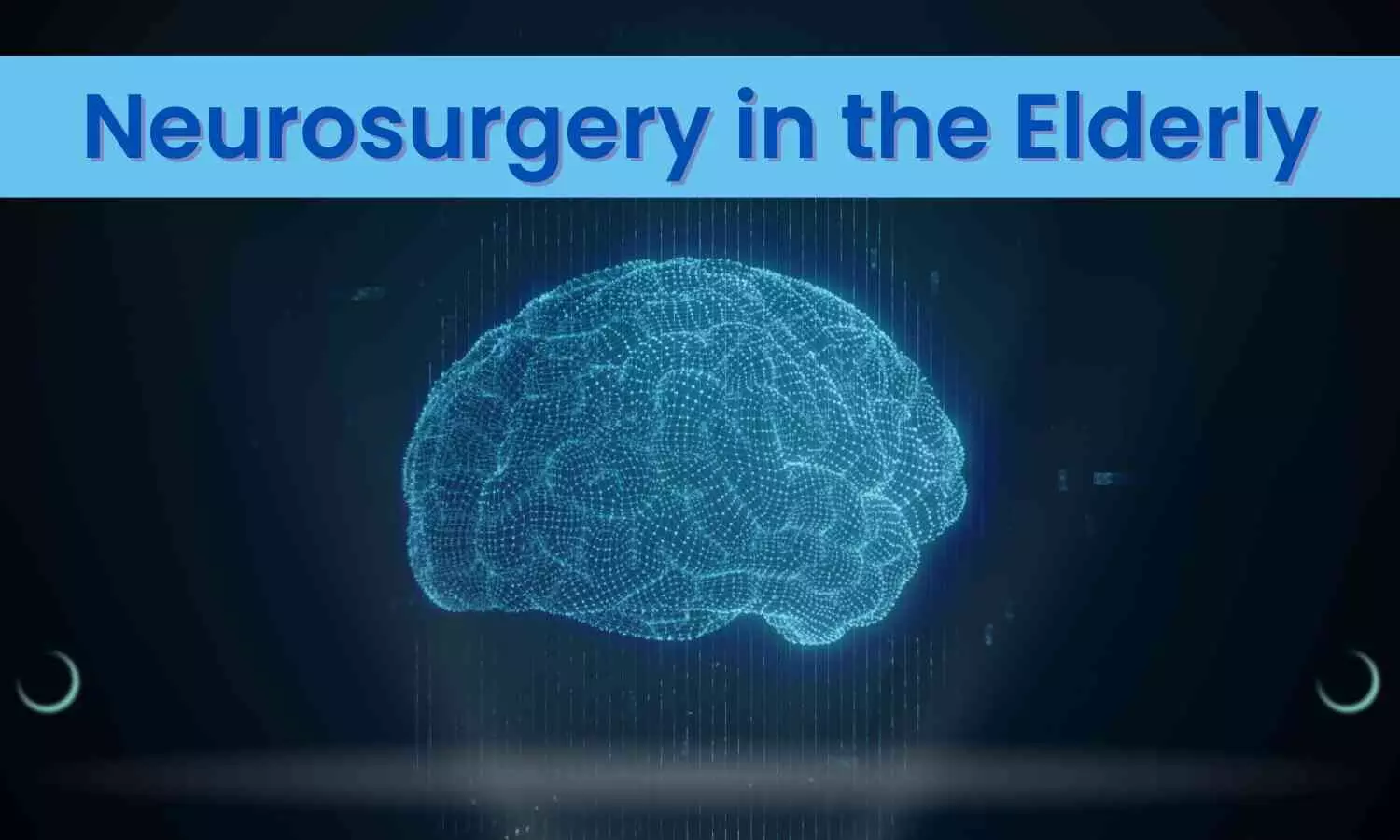
Anatomical Success, Human Loss: The Blind Spot of Neurosurgery in the Elderly?
Written By : Prem Aggarwal Published On 2025-12-29T10:00:21+05:30  |  Updated On 29 Dec 2025 10:00 AM IST
Anatomical Success, Human Loss: The Blind Spot of Neurosurgery in the Elderly?
  • facebook
  • twitter
  • linkedin
  • whatsapp
  • Telegram
  • Email

In elderly patients, neurosurgery must ultimately be judged not by what it corrects on imaging, but by what it preserves in the person. Evidence-based guidelines have undeniably made neurosurgical procedures safer, outcomes more predictable, and complications more measurable. Yet when these same standards are applied uniformly to older individuals in the real-world, they may often fail to capture what matters most—cognition, identity, independence, and dignity. The future of neurosurgery in an ageing society will depend not on how much we can fix, but on how wisely we choose to intervene. Sometimes, choosing restraint is not a failure of surgery, but a mark of clinical and ethical maturity.

The Success of Modern Neurosurgery—and Its Blind Spots in Old Age

Neurosurgery today is practiced within well-defined, evidence-based frameworks. Advances in imaging, anesthesia, perioperative care, and surgical technique have transformed outcomes. Procedures are safer. Morbidity has declined. By conventional metrics, success has improved.

Guidelines have made neurosurgery safer. They have not necessarily made it wiser for old age.

When these same frameworks are applied to elderly patients, a quiet unease often emerges. Guidelines answer questions that are technically precise: Can the lesion be removed? Can pressure be relieved? Can neurological deficits be avoided? These questions are essential. But in older adults, they are incomplete.

What we measure defines what we value. And in the elderly, much of what we value is no longer measured.

Narrow Margins, Irreversible Consequences

In younger patients, recovery often extends beyond anatomy. Cognitive reserve and emotional resilience allow a return to baseline even after significant neurological insult.

In the elderly, the margin is narrow.

A minor hemorrhage may result in lasting cognitive decline. A brief episode of delirium may never fully resolve. A subtle executive dysfunction may translate into permanent dependence. In old age, minor neurological injury is rarely minor.

A technically flawless operation may still end an independent life.

This reality is uncomfortable precisely because it sits outside our traditional metrics of success.

The Illusion of a “Good Outcome”

At some point in the postoperative journey, scans improve. Numbers stabilize. Progress notes read well. Yet families sense that something essential has changed.

The brain may be repaired. The person may not return intact.

Ageing transforms the brain from a structure into a sanctuary of self. When that sanctuary is disturbed—even subtly—the loss may not be radiologically visible, but it is profoundly human.

A successful operation does not always produce a successful outcome.

Post-Operative Notes: What the Chart Records—and What It Misses


Some outcomes are visible on scans. Others are visible only at the bedside.

This disconnect lies at the heart of neurosurgery in the elderly. Our documentation often reflects anatomical success, while lived reality reflects personal loss. Both are true—but only one is routinely acknowledged.

Frailty, Cognition, and the Limitations Associated with Applying Guidelines

Frailty and baseline cognitive vulnerability are among the strongest predictors of outcomes after neurosurgical intervention in elderly patients. Yet they remain inconsistently assessed and poorly integrated into decision-making algorithms.

Chronological age alone is not the determinant. Biological age—reflected in cognition, mobility, nutritional status, and social support—defines recovery. Two patients of identical age may experience vastly different postoperative lives.

Guidelines acknowledge these factors, but often struggle to operationalize them. As a result, neurosurgeons are left to reconcile population-based recommendations with deeply individual consequences.

From “Can We Operate?” to “Should We Operate?”

In elderly patients, the central question must shift: Not “Can we operate?” But “Should we operate—for this person?”

Legally valid consent is not ethically complete consent. True informed consent must include a discussion of uncertainty, potential loss of independence, and the possibility that survival may come at the cost of identity.

Choosing not to operate can be a mark of clinical maturity. It reflects not therapeutic nihilism, but respect for the person beyond the pathology.

Towards Wiser Neurosurgery Decisions in an Ageing World

The danger lies in success defined too narrowly.

Neurosurgery in elderly patients must be judged not solely by what it fixes in the brain, but by what it preserves in the person. This requires humility, longitudinal thinking, and the courage to accept that restraint can sometimes be the most ethical intervention.

Guidelines will continue to evolve. Technology will continue to advance. But wisdom in neurosurgery will always depend on recognizing when anatomical success diverges from human benefit. Because in the end, our responsibility is not only to operate on brains—but to care for the lives they sustain.
neurosurgery in elderlyneurosurgeryneurosurgical procedurescognitive declinedeliriumfrailtycognition
Prem Aggarwal
Prem Aggarwal

Dr Prem Aggarwal, (MD Medicine, DNB Medicine, DNB Cardiology) is a Cardiologist by profession and also the Co-founder and Chairman of Medical Dialogues. He focuses on news and perspectives about cardiology, and medicine related developments at Medical Dialogues. He can be reached out at drprem@medicaldialogues.in

Show Full Article
Next Story

Editorial

2 Years of Treatment, 7 Years of Benefits: Abemaciclib Delivers New Overall Survival Data in Breast Cancer Patients

2 Years of Treatment, 7 Years of Benefits: Abemaciclib Delivers New Overall Survival Data in Breast...

This isnt the Durability You Thought You Knew: A Fresh Perspective on Psoriasis

This isn't the Durability You Thought You Knew: A Fresh Perspective on Psoriasis

ESMO 2025 Update: Effect of Abemaciclib added to standard Endocrine Therapy in High-Risk Early Breast Cancer

ESMO 2025 Update: Effect of Abemaciclib added to standard Endocrine Therapy in High-Risk Early...

Cardio-Metabolic Risk and Aspirin: What Does the Evidence Say for Indian Patients?

Cardio-Metabolic Risk and Aspirin: What Does the Evidence Say for Indian Patients?

Targeting IL-17A may Modify Risk Factors for Psoriatic Arthritis in Patients with Psoriasis

Targeting IL-17A may Modify Risk Factors for Psoriatic Arthritis in Patients with Psoriasis

View All

Journal Club Today

Chronic Skin Problems May Secretly Drive Addictions, Study Finds

Chronic Skin Problems May Secretly Drive Addictions, Study Finds

View All

Health News Today

Health Bulletin 27/December/2025

Health Bulletin 27/December/2025

View All
© 2022 All Rights Reserved.
Powered By: Hocalwire
X
We use cookies for analytics, advertising and to improve our site. You agree to our use of cookies by continuing to use our site. To know more, see our Cookie Policy and Cookie Settings.Ok