
Combined oral contraceptive use among people with migraine with aura persists, despite cautions: Study
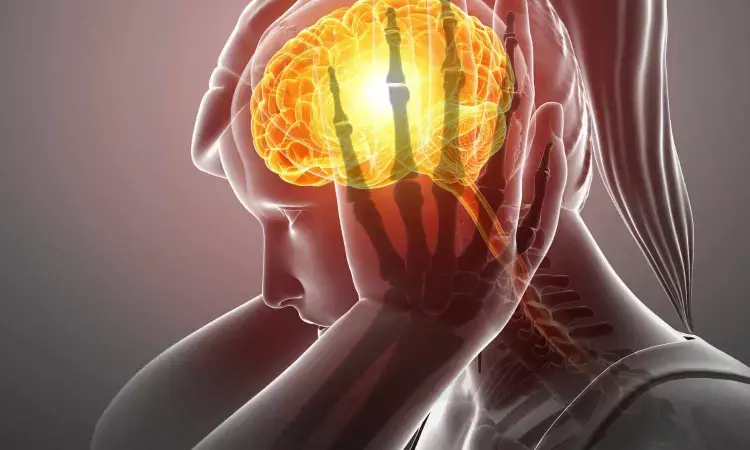


A new study found that a sizable minority of people with migraine with aura still receive prescriptions for estrogen-containing birth control pills and hormone therapy, despite treatment contraindications or cautions related to stroke risk.
Current medical guidelines discourage the use of combined oral contraceptives (COCs) among people who experience migraine with aura—a type of migraine accompanied by temporary neurological symptoms—due to a heightened risk for stroke. Despite these concerns, a notable percentage of people diagnosed with migraine with aura are still receiving prescriptions for these oral contraceptives, according to a new study led by Boston University School of Public Health (BUSPH) researchers.
Published in the journal Pharmacoepidemiology and Drug Safety, the study found that COC use among this population has declined over the last two decades, but not fully stopped. About 15 percent of reproductive-aged people who were diagnosed with migraine with aura still received prescriptions for these contraceptives.
Similarly, some clinical guidelines suggest that older women who experience migraine with aura exercise caution in taking hormone therapy to treat menopause, as older research has linked this form of therapy to varying risks for stroke, depending on certain risk factors, such as age. Despite this potential risk, the study also found that hormone therapy for menopause is still commonly used among post-reproductive age women with a history of migraine with aura, with about half of this population receiving a prescription for this treatment at some point after they were diagnosed with these migraines.
Most of the studies about stroke risks associated with use of contraceptives in people with migraine with aura were published decades ago, and this new insight into the continued use of these medications among people who may be at elevated risk for health complications emphasizes the need for updated research that can inform guidelines and decision-making for people with migraine with aura.
“There is some historical data about stroke risk in people with migraine with aura using estrogen-containing contraceptives, but most of that research was on higher doses than are used today and didn’t include a relevant point of comparison, such as non-estrogen contraceptives, for context,” says study lead and corresponding author Liza Gibbs, doctoral candidate in the Department of Epidemiology at BUPSH. “As a result, we don’t have a great understanding about whether someone with migraine with aura specifically is more susceptible to the small known risks of combined oral contraceptives relative to the general population.”
There is also a lack of data on stroke risks associated with hormone therapy specifically among people with migraine with aura.
“These findings tell us that these medications are being taken by people with migraine with aura, despite treatment cautions or even contraindications, underscoring the need for high quality, modern-day evidence regarding their risk of stroke in people with this type of migraine,” Gibbs says.
At least 39 million people worldwide experience migraines, and up to 1 in 3 people who have this headache disorder experience migraine with aura, which can include a range of temporary visual and sensory symptoms such as vision loss, light sensitivity, numbness, nausea, speech issues, dizziness, and more. The headache disorder itself is also linked to an increase in stroke, possibly due to a combination of cardiovascular, behavioral, and genetic components.
For the study, Gibbs and colleagues from BUSPH, BU’s Chobanian & Avedisian School of Medicine (CAMED), and the Boston Collaborative Drug Surveillance Program utilized electronic medical records from a United Kingdom-based clinical practice research database to examine the use of COCs and progestogen- only pills (which do not contain estrogen) among reproductive-age individuals, and hormone therapy among post-reproductive age individuals, before and after they were diagnosed with migraine with aura. They focused on nearly 143,000 reproductive-aged people and nearly 45,000 post-reproductive people who received these diagnoses between 2000 and 2024.
Many of the reproductive-aged people with migraine with aura who continued to receive prescriptions for COCs had also used COCs prior to their migraine diagnosis, and had received a diagnosis in earlier years of the data. But overall, the researchers observed a decline in COC prescriptions among reproductive-aged people with migraine with aura over the years, with a marked shift to progestogen-only pills after diagnosis.
“This post-diagnosis shift could be an indicator that people are being steered away from their preferred form of contraception based on the current guidelines, underscoring the need for an accurate understanding of the safety of these medications among people with this common condition,” says study senior author Dr. Susan Jick, adjunct professor of epidemiology at BUSPH.
Even with this shift to progestogen-only pills, there was a small decline in overall use of all oral contraceptives in the most recent years of the study period, compared to earlier years. This decline could be due to multiple factors.
“Progestogen-only-pills became available over the counter in the United Kingdom in 2021, so we may have captured fewer prescriptions for these contraceptives in medical records after this point,” Gibbs says. “This decline could also reflect a real reduction in use of hormonal contraceptives or increased preference for non-oral options, but we didn’t specifically look at trends in contraceptive type over time in this study.”
The team also observed shifts in hormone therapy use for menopause throughout the study period, with the highest use occurring among 51 percent of post-reproductive participants in the early 2000s, before dipping to 41 percent between 2015-2019, and rising again to 45 percent by 2024. Transdermal formulations of hormone therapy, such as adhesive patches, were most common, especially among people who received more recent diagnoses of migraine with aura.
Reference:
Liza R. Gibbs, Matthew P. Fox, Hugo J. Aparicio, Susan Jick, Utilization of Oral Contraceptives and Hormone Therapy for Menopause Among Female Individuals With Migraine With Aura: A Descriptive Study, Pharmacoepidemiology and Drug Safety, https://doi.org/10.1002/pds.70266
